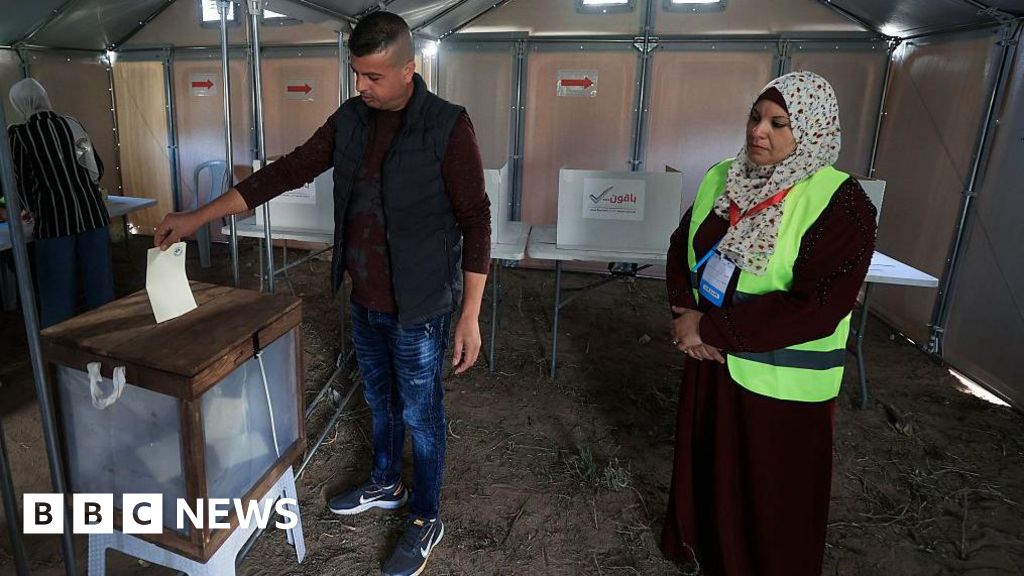

The announcement of local elections in the occupied West Bank and one Gazan city marks a significant political development, yet it arrives at a delicate moment for regional investment sentiment. The decision by Hamas and other major Palestinian factions to boycott the electoral process underscores the deep divisions within Palestinian political structures, a factor that sovereign wealth funds and institutional investors monitoring the region will inevitably weigh against any near-term economic engagement.
From a business perspective, the electoral vacuum created by widespread non-participation risks further entrenching the fragmented governance model that has historically complicated infrastructure development and cross-border trade facilitation in the territory. For regional sovereign capital seeking stable returns, this political uncertainty adds another layer of risk to an already challenging operating environment, potentially redirecting investment flows toward more predictable markets within the Gulf Cooperation Council sphere.
The implications for venture capital and startup ecosystems in the broader MENA region remain indirect but noteworthy. Political instability in the Palestinian territories tends to exert downward pressure on risk appetite across adjacent markets, particularly Jordan and Lebanon, where startup communities have already faced significant headwinds. Regional fund managers will likely adopt a cautious stance, prioritizing portfolio companies in politically stable jurisdictions until greater clarity emerges on the political trajectory.
For international infrastructure investors, the elections highlight the persistent challenges of deploying capital in contested environments. While the West Bank retains some appeal due to existing commercial ties and a relatively developed business sector, the absence of Hamas participation fundamentally undermines any narrative of political reconciliation that might have attracted longer-term development capital. The episode reinforces the assessment that sovereign capital should maintain a cautious approach to Palestinian territory investments, focusing instead on Gulf markets where regulatory frameworks and political stability offer more favorable risk-adjusted returns.