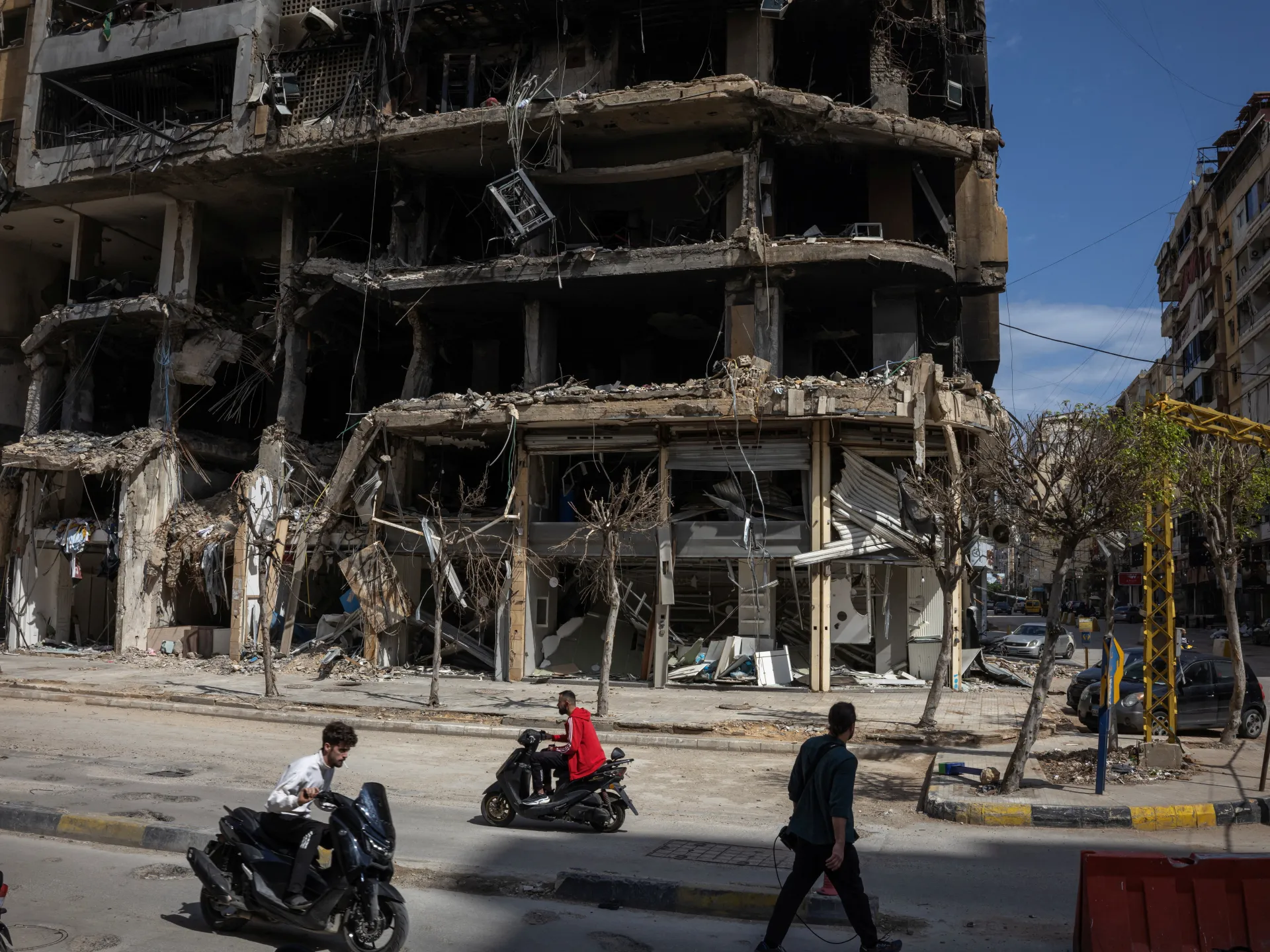

The suspension of US military assistance to the Lebanese Armed Forces (LAF) represents a significant rupture in the strategic architecture of the Eastern Mediterranean, with profound financial and geopolitical consequences. Beyond the immediate operational impact on LAF capabilities, this funding suspension—valued at over $3 billion historically—creates a critical sovereign capital vacuum for Lebanon’s sole remaining functional state institution. The halt disrupts not just training and equipment pipelines but also undermines the fragile economic stability that the LAF provides, potentially exacerbating the ongoing fiscal crisis and diverting scarce sovereign resources towards heightened security imperatives. For regional sovereign wealth funds and private capital, the uncertainty signals a heightened risk premium for investments exposed to Lebanese stability, while potentially accelerating the realignment of regional security financing towards Gulf-based entities.
The linkage of US funding to Hezbollah disarmament fundamentally reshapes the strategic calculus for regional capital deployment and infrastructure planning. The inability to secure predictable US backing forces Lebanon into a dependency calculus with regional powers like Saudi Arabia and the UAE, whose sovereign capital is increasingly directed towards resilience-building projects. Simultaneously, the power vacuum incentivizes Iranian proxies to consolidate control over economic corridors and critical infrastructure, creating de facto sovereign financing arrangements outside the formal state apparatus. This bifurcation risks fragmenting the regional market, deterring multinational venture capital inflows, and forcing infrastructure plans to be recalibrated around contested security zones rather than integrated economic zones.
The ripple effects extend deep into the regional venture ecosystem and long-term infrastructure viability. Lebanese startups reliant on a degree of security for operations and workforce mobility face immediate headwinds, while regional VC funds must reassess exposure across the MENA growth corridor. Crucially, the breakdown of US-backed security frameworks threatens the viability of cross-border infrastructure projects dependent on stable logistics and unified security protocols—from proposed power grids to transport corridors linking the Gulf to the Levant. The absence of coordinated sovereign funding, coupled with the realignment of private capital towards perceived safer havens, creates a structural impediment to the infrastructure-driven economic integration envisioned under regional frameworks, potentially entrenching economic fragmentation beyond Lebanon’s borders.