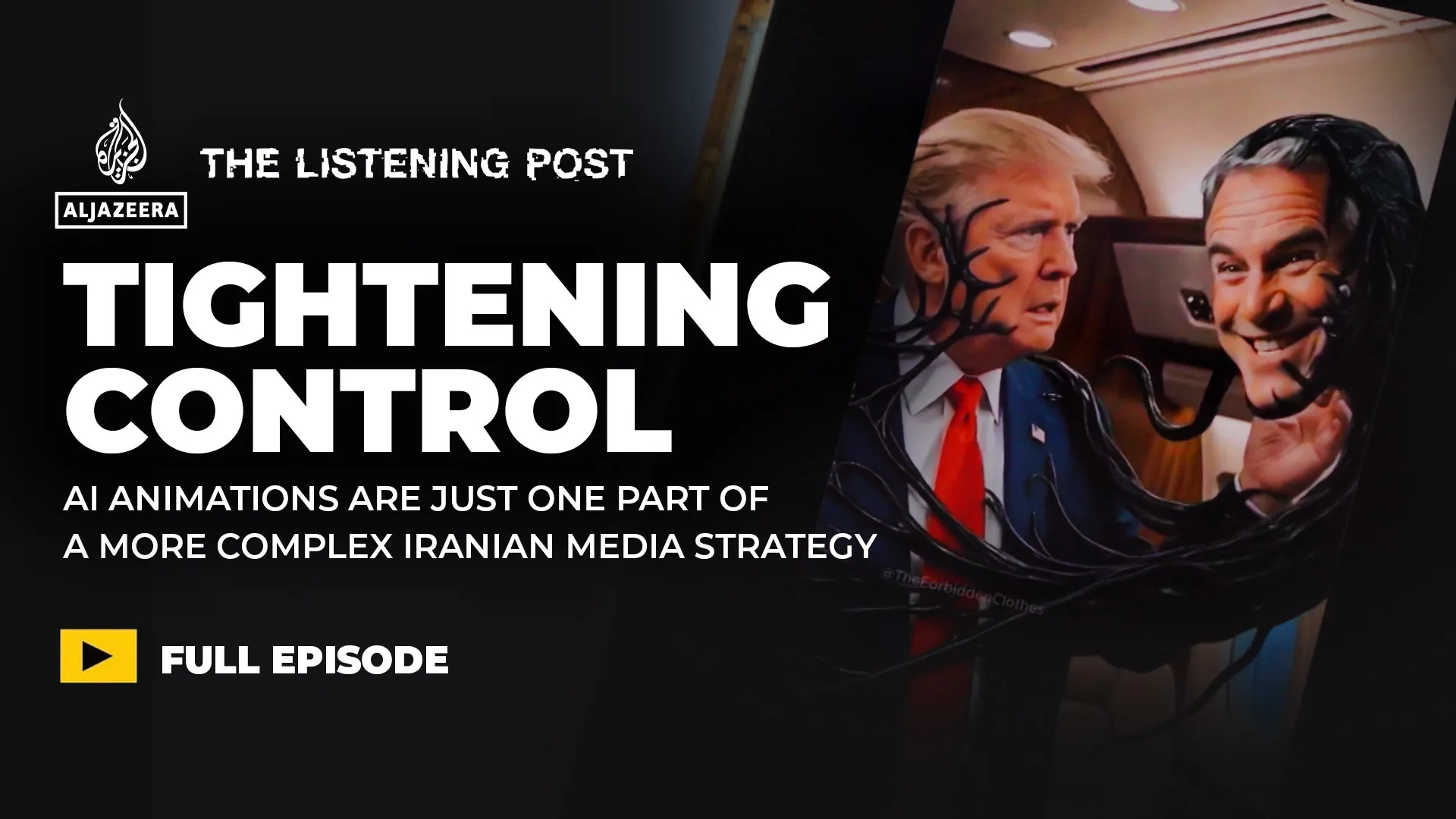

Recent geopolitical shifts in the Middle East and North Africa (MENA) region are revealing a complex interplay of digital warfare, diplomatic maneuvering, and underlying economic pressures, with significant implications for regional stability and investment flows. While Iran’s deployment of sophisticated online strategies—ranging from meme warfare to targeted disinformation campaigns—aimed at influencing international perceptions, particularly concerning Western audiences, represents a novel approach to asymmetric conflict, it simultaneously underscores the regime’s continued suppression of domestic internet access. This dual strategy highlights a fundamental tension: leveraging the internet for external public relations while restricting its use for internal dissent, a pattern that will likely persist given the current political climate.
Pakistan’s recent role as a facilitator of dialogue between the United States and Iran, culminating in publicly acknowledged praise from Washington, presents a unique opportunity for the nation, but also masks deeper vulnerabilities. While the diplomatic success generates positive international visibility, it obscures ongoing challenges, including a protracted covert conflict with Afghanistan and a severe cost-of-living crisis impacting the domestic population. This situation underscores the need for careful assessment of Pakistan’s long-term economic and political stability, particularly as sovereign wealth funds and private equity firms increasingly scrutinize geopolitical risk factors when allocating capital within the MENA region. The potential for instability could deter foreign direct investment and impact infrastructure development projects reliant on international financing.
The tragic death of Lebanese journalist Amal Khalil, mirroring a disturbing pattern of targeted attacks on journalists in Gaza, further exacerbates concerns regarding press freedom and regional security. This incident, coupled with Pakistan’s precarious position, highlights the vulnerability of media professionals operating in conflict zones and the potential for miscalculation to escalate tensions. The implications for venture capital firms investing in media and technology startups across the MENA region are considerable, demanding enhanced due diligence and risk mitigation strategies. Furthermore, the ongoing need for robust digital infrastructure to support both communication and economic growth necessitates a reassessment of cybersecurity protocols and international cooperation to safeguard critical digital assets.
Looking ahead, the convergence of these factors—Iran’s digital warfare tactics, Pakistan’s diplomatic tightrope walk, and the escalating risks to journalists—demands a nuanced understanding from investors and policymakers alike. Sovereign wealth funds, in particular, must prioritize investments in resilient infrastructure and cybersecurity solutions to mitigate potential disruptions. Venture capital activity will likely shift towards sectors demonstrating demonstrable resilience to geopolitical instability, such as fintech and healthcare, while avoiding areas heavily reliant on fragile political landscapes. The ability to navigate these complexities will be crucial for sustained economic growth and regional stability in the MENA region.