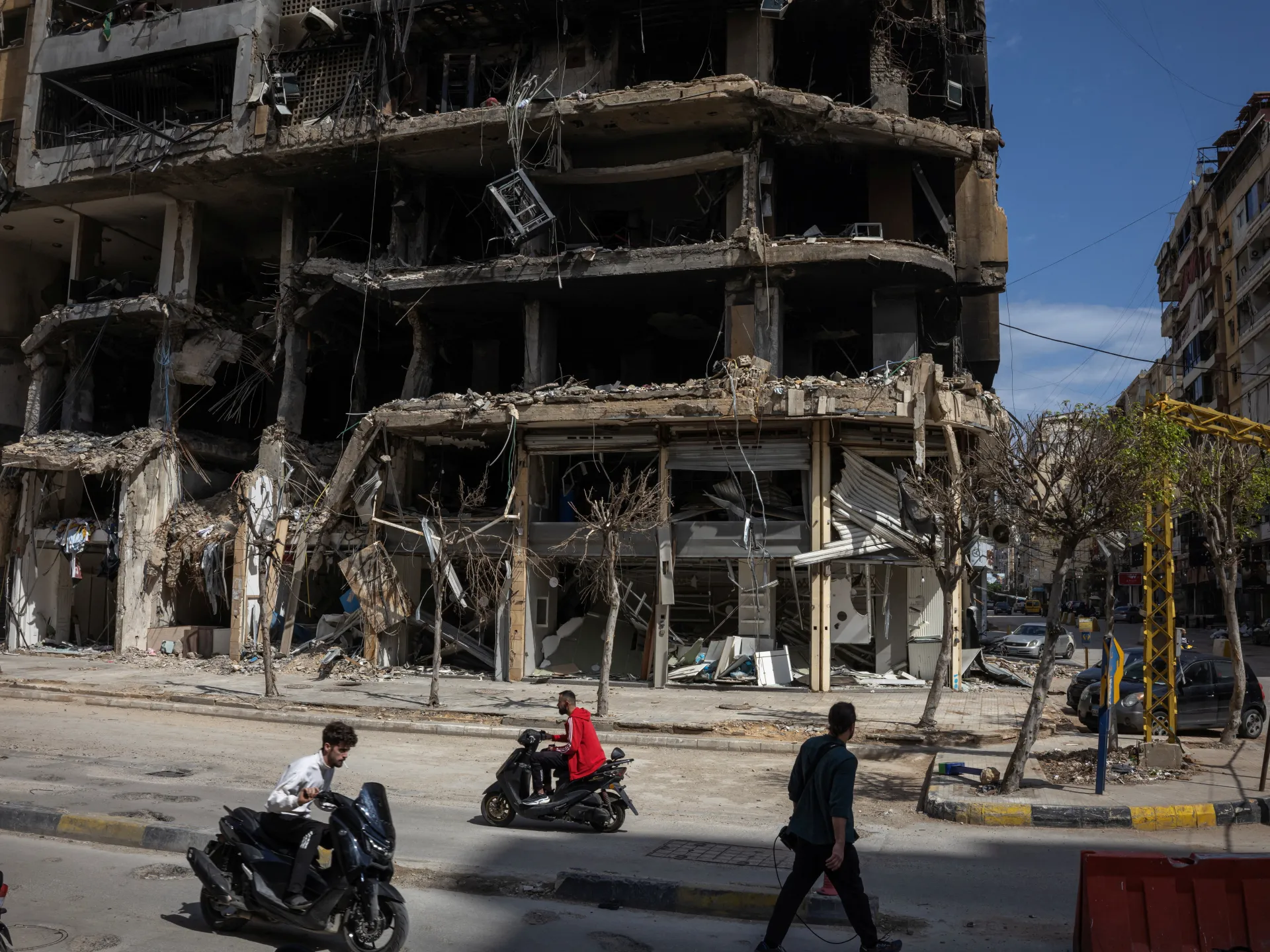

The recent escalation of coordinated attacks across Mali, including incursions into the capital, represents a significant deterioration of the security landscape and poses substantial risks to regional stability. While localized conflicts have been ongoing, the scale and synchronicity of these operations – reportedly involving multiple armed groups – are unprecedented. This development necessitates a reassessment of counter-terrorism strategies and the efficacy of existing security partnerships within the Sahel region.
From a financial perspective, the instability directly threatens ongoing and planned infrastructure projects crucial for economic development. Mali’s already fragile economy, heavily reliant on resource extraction and agricultural output, will face further strain. Sovereign wealth funds with exposure to Malian assets, including those from Gulf Cooperation Council (GCC) nations increasingly focused on African infrastructure investment, will likely reassess risk profiles and potentially delay or halt further capital deployment. The disruption also impacts logistical networks vital for regional trade, potentially increasing costs and hindering economic integration.
Venture capital activity, though nascent in Mali, is also likely to be curtailed. Fintech and agricultural technology startups, which had begun to attract seed funding aimed at addressing local challenges, will face an increasingly hostile operating environment. More broadly, the crisis underscores the need for increased due diligence and political risk insurance for investors considering opportunities across the wider Sahel. The situation will likely divert capital towards more stable North African markets like Egypt and Morocco, which are actively courting foreign investment in technology and infrastructure.
The long-term implications extend to regional infrastructure initiatives, particularly those reliant on Malian transit routes or resource contributions. The African Union’s ambitions for a trans-Saharan highway and related energy projects are now demonstrably jeopardized. Addressing this crisis requires a multifaceted approach, including enhanced regional cooperation, targeted security assistance, and a renewed focus on addressing the underlying socio-economic grievances that fuel extremism. Failure to do so risks further fragmentation and a protracted period of instability with cascading effects throughout the MENA region and beyond.