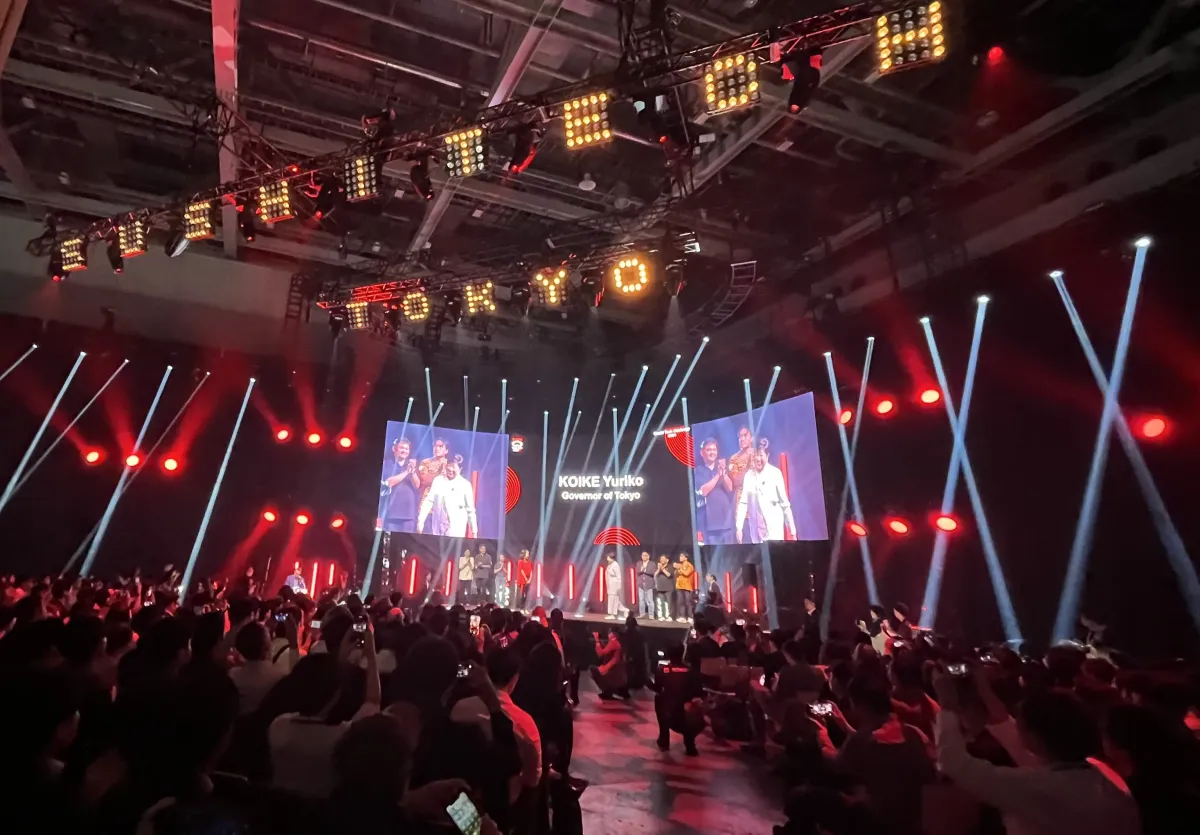

The SusHi Tech Tokyo 2026 conference, structured around four tightly defined technology domains and a formal partnership with TechCrunch that will advance one local startup semifinalist to the Disrupt Startup Battlefield 200, functions as a strategic bellwether for Middle East and North Africa (MENA) sovereign wealth funds, regional venture capital allocators, and infrastructure planners. Unlike generic industry gatherings that rely on vague, unactionable thematic framing, the Tokyo event’s focus on scaled deployment of AI, physical robotics, climate-resilient urban systems, and AI-integrated cultural content aligns directly with the non-oil diversification mandates of regional sovereigns including Saudi Arabia’s Public Investment Fund (PIF), the UAE’s Mubadala Investment Company, and Qatar Investment Authority. For MENA institutional capital, which has accelerated allocations to deep tech and infrastructure-linked innovation over the past 24 months, the event’s curated programming cuts through global AI hype to highlight bankable use cases across public and private sectors.
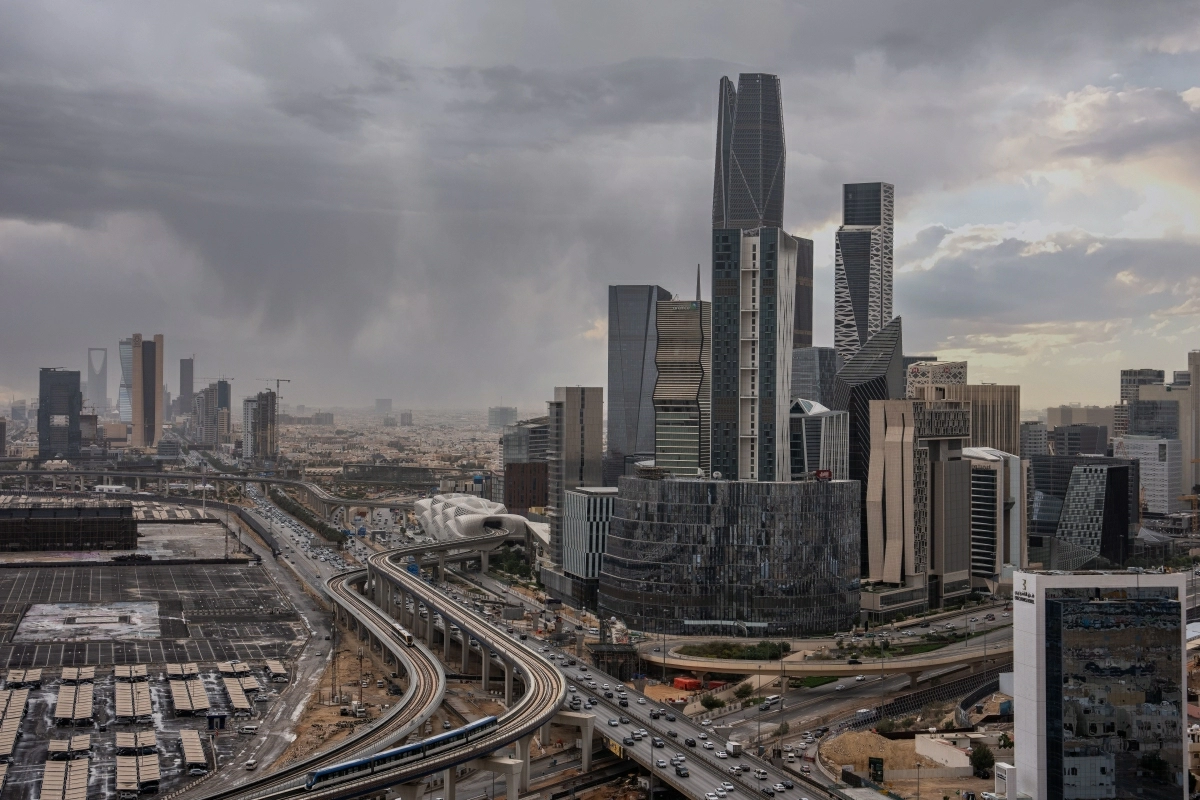
The AI and robotics tracks, featuring leadership from Nvidia, AWS, Nissan, Isuzu and Applied Intuition, hold particular weight for MENA’s $2.1 trillion sovereign infrastructure pipeline, including Saudi Arabia’s NEOM, the UAE’s Masdar City, and Egypt’s New Administrative Capital. Regional sovereigns have committed more than $150 billion to AI and smart city infrastructure since 2023, with physical AI applications in software-defined transportation and interactive robotics matching procurement priorities for logistics automation, public transit modernization, and labour-augmenting systems across the GCC and North Africa. For regional venture capital firms, which shifted 42% of 2025 deal flow to deep tech from consumer fintech, the event’s showcase of university spinouts alongside global incumbents provides a benchmark for evaluating local startup pipeline quality, while TechCrunch’s Battlefield selection process opens a direct channel for MENA founders to access global Tier 1 VC networks previously concentrated in North America and East Asia.
The resilience and entertainment strands offer equally material insights for MENA sovereigns grappling with acute climate vulnerability and cultural sector diversification. Sessions on cyber defense and climate tech investment, featuring participants from Breakthrough Energy, Cleantech Group, Trend Micro and NEC, will inform allocation decisions for the $1.3 trillion in climate resilience spending pledged by GCC states through 2030, with Tokyo’s underground flood control infrastructure and VR disaster simulation tools serving as transferable models for coastal MENA markets including the UAE, Egypt and Morocco. Meanwhile, the entertainment track’s focus on AI-driven content localization and scaling of Tokyo’s animation industry, with participation from CEOs of Production I.G, MAPPA and CoMix Wave Films, aligns with Saudi Arabia’s $64 billion investment in its cultural sector and Egypt’s push to expand its regional media hub dominance. The parallel G-NETS summit of 55 global city leaders, focused on climate-resilient urban planning, will also provide MENA municipal governments with operational frameworks to meet sovereign-mandated net zero and disaster preparedness targets.
For MENA institutional participants unable to travel to Tokyo for the April 27–29 event, remote access options including livestreamed sessions and interactive on-site staff proxies lower barriers to engagement with global tech leadership, a critical advantage for regional sovereign capital allocators who typically maintain lean on-the-ground teams in East Asian tech hubs. With sovereign wealth funds in the GCC alone holding more than $4 trillion in assets under management, even marginal improvements in deal flow visibility and trend identification from curated events like SusHi Tech Tokyo can translate to billions in more efficient capital deployment across MENA’s priority technology and infrastructure verticals.