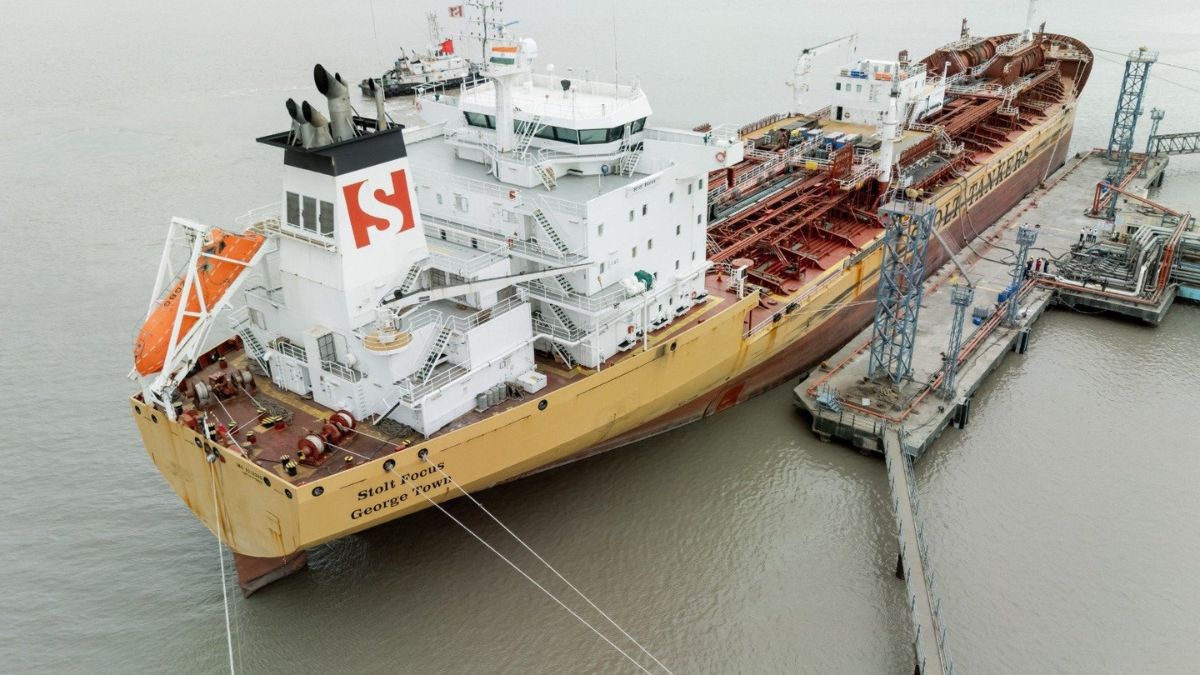

The Tuna-Tekra mega-container terminal project, representing a strategic investment of $500 million, underscores the pivotal role of sovereign capital and regional infrastructure development in shaping India’s logistics landscape, with significant implications for Middle East investors. Deendayal Port Authority’s collaboration with DP World, a flagship venture of Dubai’s sovereign-backed conglomerate, exemplifies the deployment of Gulf capital into critical infrastructure assets, aligning with diversification strategies and regional logistics integration ambitions. The terminal’s capacity to handle 2.19 million TEUs, incorporating state-of-the-art facilities and a deep-water berth for next-generation vessels, establishes a formidable logistical hub on India’s western seaboard, directly competing with established ports like Jebel Ali and offering a vital alternative cargo gateway for GCC-bound trade.
The Public Private Partnership model, executed through a 30-year Build-Operate-Transfer agreement involving the state-owned National Investment and Infrastructure Fund, provides a template for sovereign wealth entities seeking exposure to high-yield, infrastructure-linked returns in emerging markets. This structure mitigates construction risks while ensuring operational expertise, mirroring strategies employed by regional sovereign funds investing in global logistics corridors. The project’s alignment with India’s National Logistics Policy and PM Gati Shakti Master Plan further enhances its strategic value, positioning it as an indispensable node in the evolving Eurasian trade architecture, with direct impacts on regional freight routing and supply chain resilience for MENA exporters.
Equally transformative is the MagRail Booster project, representing a convergence of sovereign capital deployment and frontier venture capital innovation. DP World’s memorandum of understanding with Nevomo signals a significant strategic pivot towards leveraging electromagnetic propulsion technology to enhance bulk and container movement efficiency at Kandla. This initiative, supported by Poland’s deep-tech leader, addresses critical bottlenecks in port-rail connectivity and offers a replicable retrofit solution capable of revitalizing existing infrastructure across the Gulf Cooperation Council. The integration of such technology at Deendayal Port serves as a testbed for broader regional adoption, potentially reshaping cargo handling paradigms and generating substantial returns through licensing and infrastructure modernization contracts, further cementing the Gulf’s role as a nexus of logistical innovation and investment in global supply chain infrastructure.