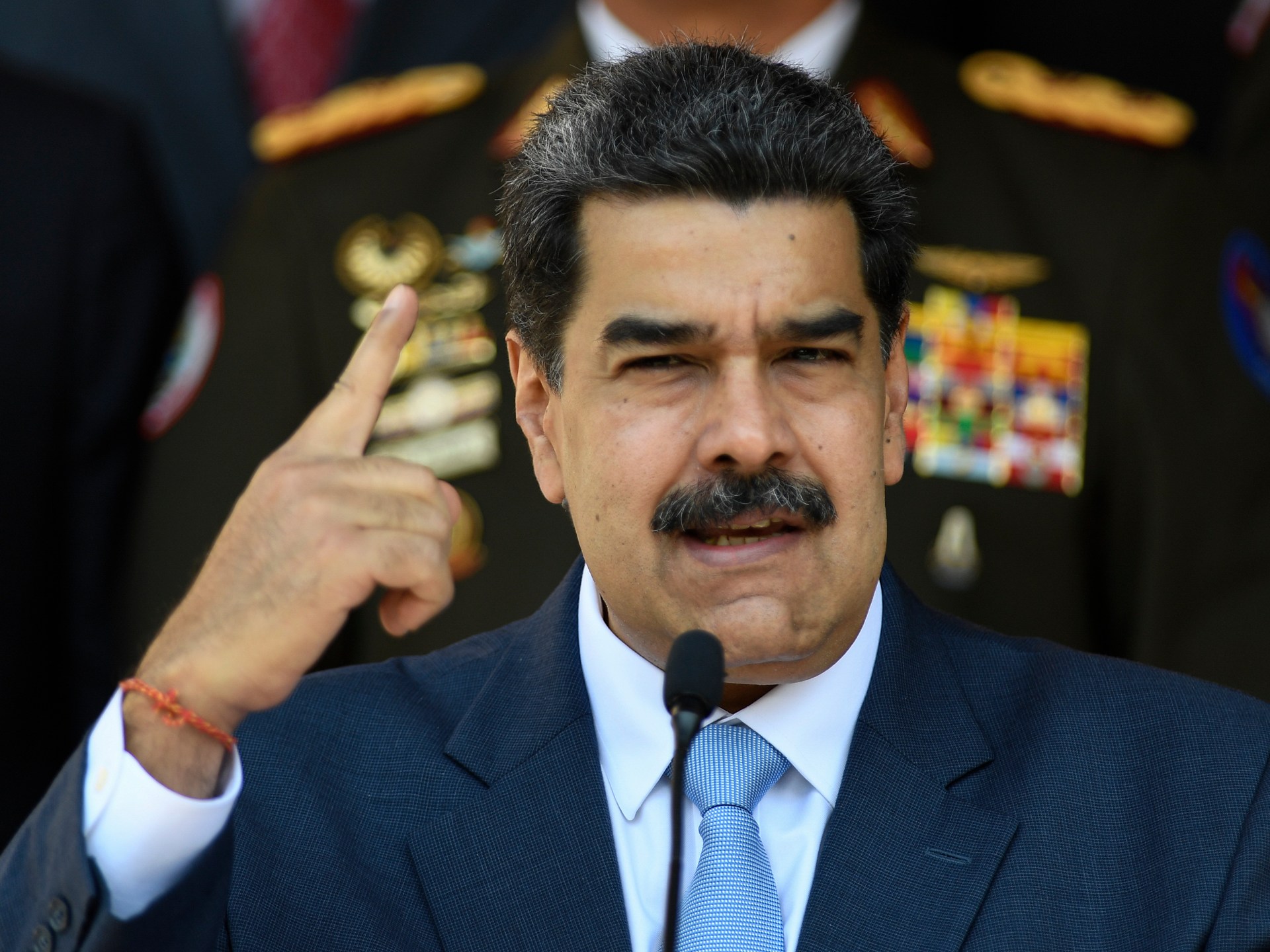

The United States’ decision to soften certain sanctions on Venezuela—specifically to permit the state‑run fiscal apparatus to finance Nicolás Maduro’s legal defence—signifies a calibrated recalibration of Washington’s coercive leverage in the Caribbean. By allowing Caracas to channel sovereign resources toward an otherwise contested judicial process, the move subtly reopens a diplomatic channel that could be leveraged to secure concessions on energy contracts, debt restructuring, and regional stability. This tactical concession underscores how sovereign liquidity can be weaponised as a bargaining chip, influencing investment appetites toward Venezuelan‑linked assets and, by extension, the broader Latin American market.
From an institutional capital perspective, the sanction relief is likely to accelerate the deployment of sovereign wealth from the Gulf Cooperation Council (GCC) and the Saudi Public Investment Fund into Venezuelan energy ventures, especially those poised to integrate with emerging Caribbean‑Atlantic logistics corridors. Such flows could re‑energise joint‑venture pipelines and maritime infrastructure projects that have languished under prior restrictions, thereby reshaping regional supply‑chain dynamics and offering a conduit for multinational engineering firms to re‑enter markets previously deemed high‑risk.
Venture capital ecosystems across the Middle East and North Africa stand to benefit from the renewed focus on sovereign fund diversification. As global investors reassess the risk‑adjusted returns of funding technology hubs in the UAE, Saudi Arabia, and Egypt, the precedent set by the Maduro case illustrates a broader willingness among major economies to accommodate state‑backed capital in legally tenuous environments. This could translate into heightened appetite for blockchain‑enabled remittance platforms, renewable‑energy financing vehicles, and digital infrastructure projects that seek to tap the deep pockets of Middle Eastern sovereign investors.
Ultimately, the diplomatic maneuver highlights an emerging paradigm: sovereign capital is not merely an allocator of capital but a strategic lever that can reshape geopolitical risk landscapes. For regional infrastructure programmes across MENA, this confluence of sovereign flexibility and venture‑oriented financing may accelerate the rollout of cross‑border energy grids, smart‑city initiatives, and logistics networks, provided that the underlying legal frameworks continue to evolve in step with shifting geopolitical realities.