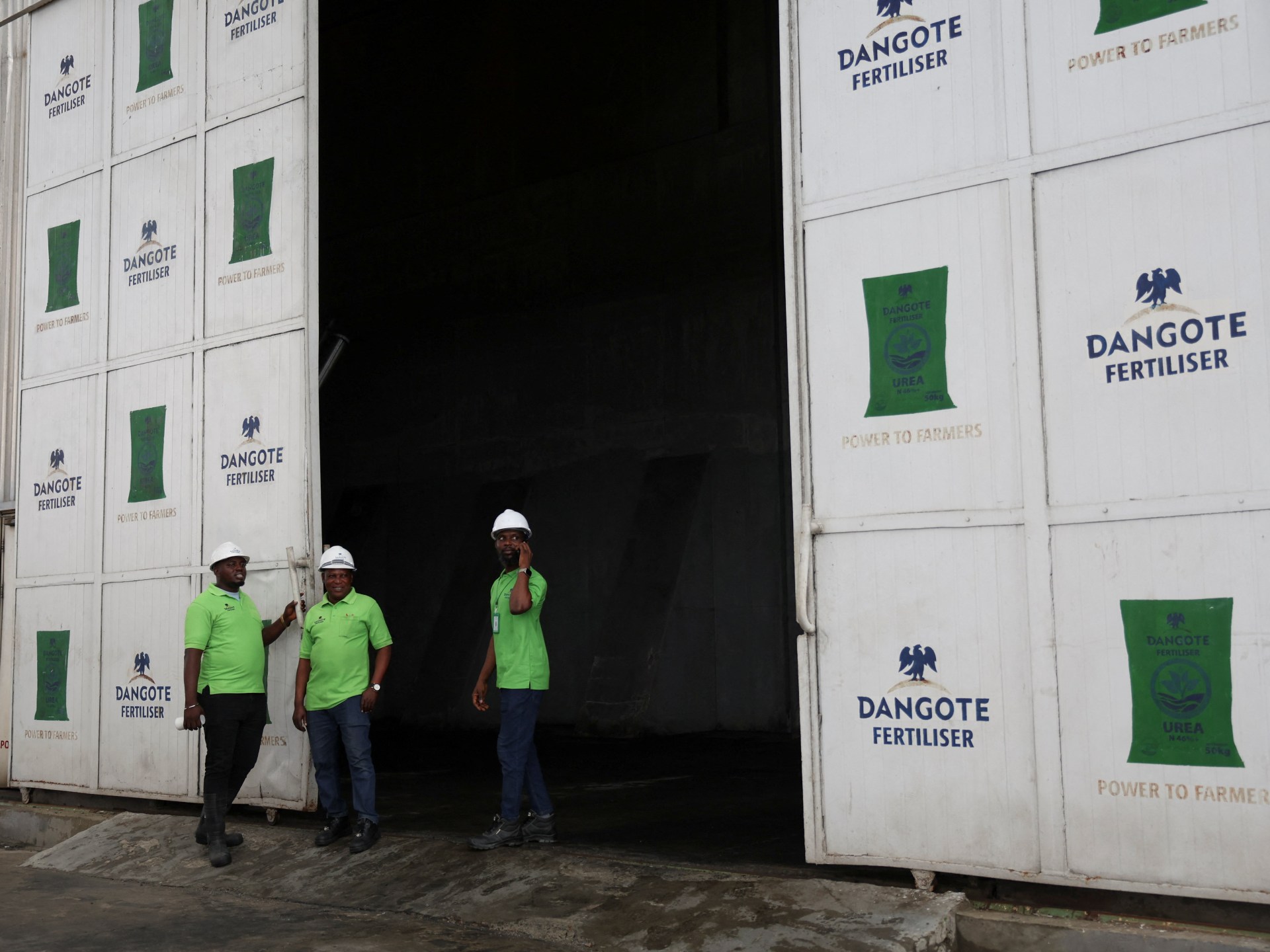

The escalating geopolitical tensions emanating from the Middle East, particularly the conflict in the Strait of Hormuz, pose a significant and multifaceted threat to global food security, with potentially severe business implications for the Middle East and North Africa (MENA) region. Disruption to the critical fertilizer trade routes, which account for a substantial portion of global ammonia and urea flows, directly impacts the capacity of sub-Saharan African farmers to cultivate essential crops, jeopardizing food production and potentially triggering significant inflationary pressures across the continent. The current landscape mirrors historical vulnerabilities exposed by prior disruptions like the COVID-19 pandemic and the war in Ukraine, underscoring the region’s dependence on a limited number of key transportation arteries and volatile global commodity markets.
The business impact extends beyond immediate supply chain bottlenecks. MENA economies, heavily reliant on agricultural output and often with significant stakes in food security, face increased operational risks. Fertilizer price volatility, exacerbated by logistical uncertainties in the Hormuz region, translates to heightened costs for agricultural inputs, impacting profitability for agribusinesses operating in the region. This, in turn, can erode investment confidence and hinder long-term growth plans. Furthermore, the risk of export bans or market manipulation could destabilize regional trade networks and create opportunities for arbitrage, potentially favoring external players at the expense of local farmers and producers. Sovereign wealth funds in the MENA region, increasingly focused on impact investing, will need to factor in the enhanced risk profiles associated with fertilizer supply chain fragility when allocating capital to agricultural sectors.
Sovereign capital and venture capital flows within the region will need to adapt to this evolving risk environment. The African Development Bank’s $1.5 billion emergency food production facility demonstrates a proactive approach to mitigating these risks through collaborative investment in climate-smart agriculture. However, sustained resilience requires a broader strategy encompassing private sector engagement. Venture capital firms specializing in agribusiness and agricultural technology will face heightened due diligence requirements and demand for robust risk mitigation frameworks. Public-private partnerships, vital for fostering local fertilizer production and blending capacity, represent a critical avenue for capital deployment. Investment in digital agriculture platforms and supply chain optimization technologies can enhance market intelligence and improve the efficiency of fertilizer distribution, ultimately bolstering long-term food security and economic stability.
The broader regional infrastructure implications are substantial. The disruption to shipping lanes highlights the need for enhanced port infrastructure, logistical networks, and regional trade facilitation initiatives across the MENA region. Investments in rail and road transport are crucial for ensuring the efficient movement of agricultural inputs and outputs, particularly for smaller, more remote farming communities. Furthermore, regional cooperation on data sharing and market monitoring can create a more resilient and adaptive food system. The successful implementation of the Africa Fertilizer and Soil Health Initiative, coupled with proactive risk management strategies, represents a nascent but important step towards building a more secure and sustainable agricultural future for the continent, and by extension, for the MENA region as a whole. Failure to address these vulnerabilities will risk undermining economic development and exacerbating social instability within the region and globally.