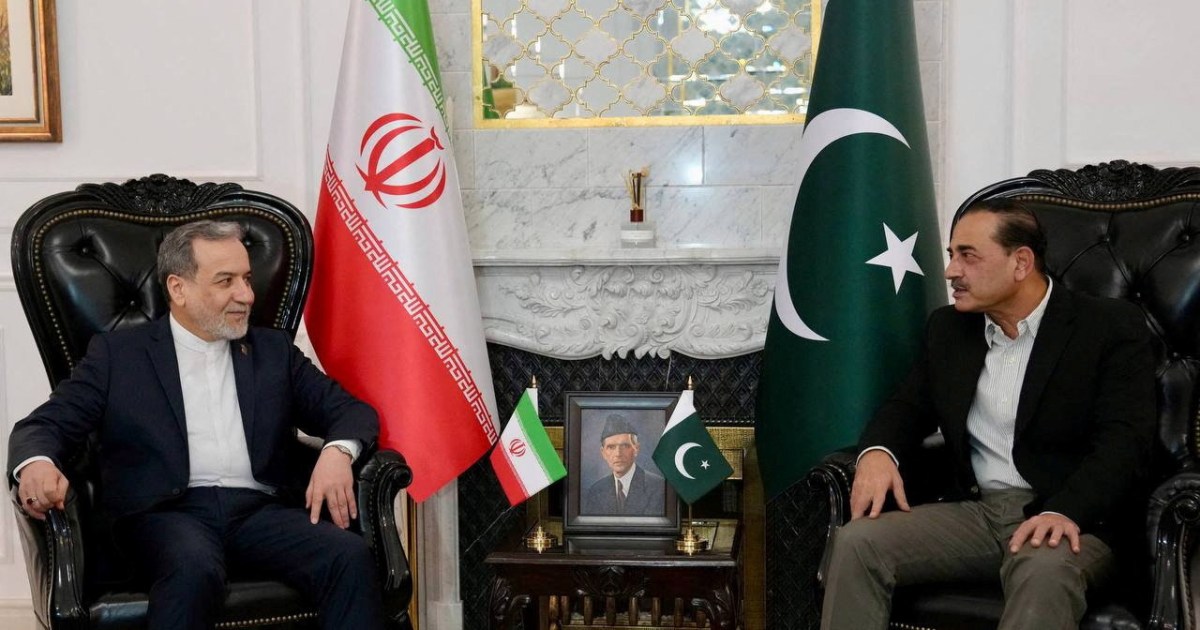

The decision by the United States to suspend high-level diplomatic engagement in the region represents a significant recalibration of strategic posture, with immediate implications for sovereign capital flows and regional stability. For the Middle East and North Africa, the cancellation of envoy travel to Pakistan disrupts a critical channel for de-escalation, particularly concerning the Strait of Hormuz. This waterway is the conduit for approximately one-fifth of global energy shipments; the threat of its continued disruption has directly precipitated volatility in sovereign wealth fund portfolios and forced a reassessment of risk premiums for regional debt instruments. The resultant uncertainty acts as a headwind on long-term sovereign investment strategies, as governments prioritize liquidity and defensive asset holdings over developmental capital deployment.
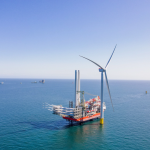
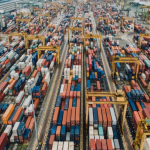
The evolving dynamic places substantial pressure on regional infrastructure projects financed by both sovereign capital and venture capital entities. As geopolitical tensions impede the free flow of goods and capital, the viability of large-scale logistics and energy infrastructure—often backed by public-private partnerships—faces heightened scrutiny. Venture capital firms, already cautious of regional instability, are likely to slow commitments to technology and fintech initiatives, favoring jurisdictions with demonstrably stable security landscapes. Consequently, the onus falls on local authorities to de-risk the investment climate, potentially accelerating the adoption of sovereign-backed guarantees to underwrite critical projects.
Ultimately, the path forward necessitates a recalibration of diplomatic and economic priorities to safeguard the financial architecture of the region. The interplay between sovereign capital preservation and the need to stimulate private sector venture capital activity requires a nuanced approach, particularly as the security of energy transit routes remains contested. Regional infrastructure development cannot proceed without a credible framework ensuring the safe passage of commerce; without it, the MENA risks ceding its strategic economic position to more stable global hubs, a scenario with profound long-term consequences for the global financial system.