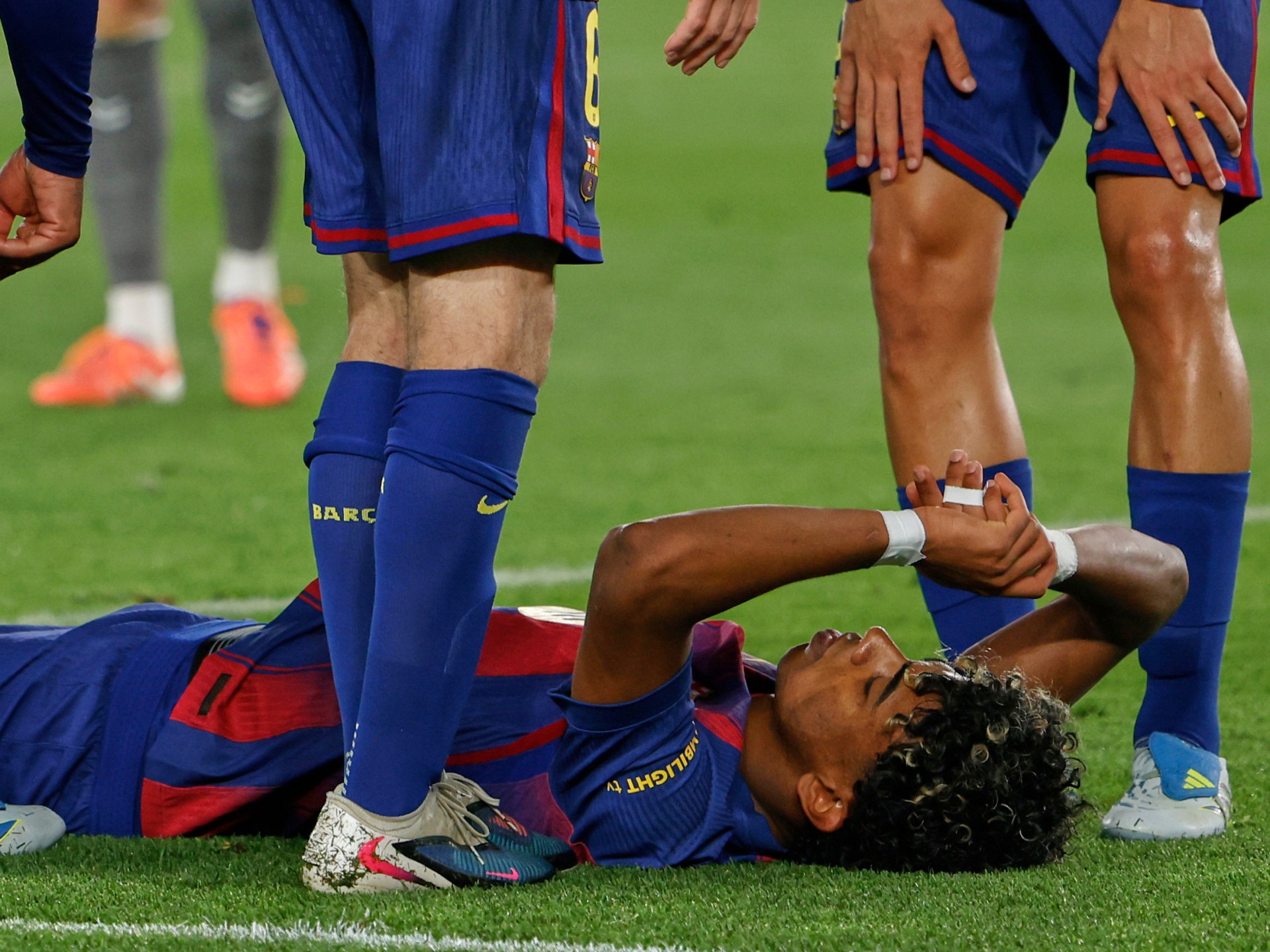

In the run‑up to the 2026 World Cup, the injury of Egypt’s Mohamed Salah presents more than a sporting setback; it signals a cascade of financial repercussions across the MENA region. Salah’s club, Liverpool, is beholden to a complex web of sponsorship deals, broadcasting rights, and player investment contracts that hinge on in‑field performance. A hamstring tear that sidelines him for the remainder of the Premier League season forces stakeholders to reassess revenue projections tied to match‑day earnings, merchandise sales, and the club’s brand value in markets where Salah’s marketability is a key sales lever. The national federation, in turn, faces potential downturns in tourism spend and local sponsorship inflows that traditionally bloom when the Pharaohs compete on the world stage.
Beyond the immediate commercial losses, sovereign capital allocations in MENA are being re‑examined in light of the incident. Governments that have pledged public funds to sports infrastructure in anticipation of elevating national prestige now confront a recalibration of budgets – especially those earmarked for stadium upgrades and training facilities that were financed under the assumption of continued participation. This recalibration could divert discretionary spending toward healthcare and sports science investments, thereby creating niche venture‑capital opportunities for firms specializing in athlete injury prevention and rehabilitation technology. Regional VC funds are already signalling interest in bio‑tech startups that promise data‑driven recovery protocols, a trend likely to accelerate as football’s economic ecosystem places greater emphasis on player longevity.
Infrastructure planning across the MENA corridor also faces implications. The strategic alignment of hosting bids for future FIFA events rests heavily on demonstrated capacity to support elite athletes, encompassing kit supply chains, medical support networks, and high‑speed communication infrastructure. Salah’s absence underscores the fragility of these systems when key talent is unavailable, prompting national sports ministries to revisit contingency frameworks. This has led to a surge in public‑private partnerships aimed at bolstering resilient sports‑health ecosystems, with substantial capital infusions earmarked for state‑of‑the‑art medical centers and augmented training facilities. Such investments are poised to deliver long‑term returns, not only for football but also for adjacent sectors such as sports retail, digital media, and wellness tourism.
From a venture‑capital lens, the injury crisis is catalyzing a regional pivot toward innovation platforms that offer scalable health analytics solutions. Investment capital is increasingly funneled into start‑ups that provide wearable technology, AI‑driven injury prediction models, and personalised rehabilitation programs. These ventures stand to benefit from supportive sovereign frameworks, including tax incentives and streamlined regulatory pathways designed to fast‑track adoption in elite sports settings. Consequently, the MENA region is carving out a niche in the global sports science market, positioning itself as a hub for cutting‑edge athlete care solutions that promise to secure both competitive performance and substantial economic dividends.