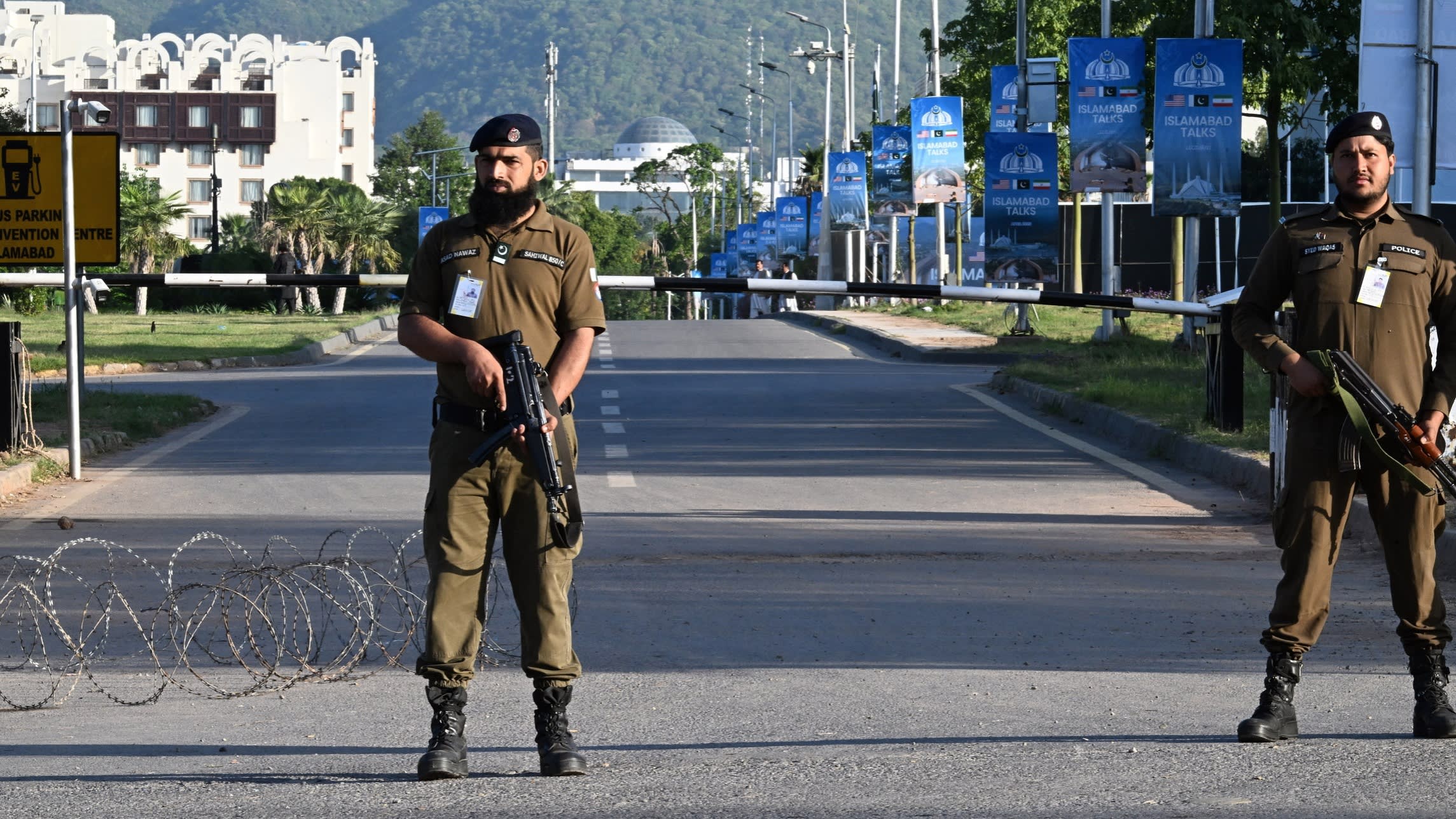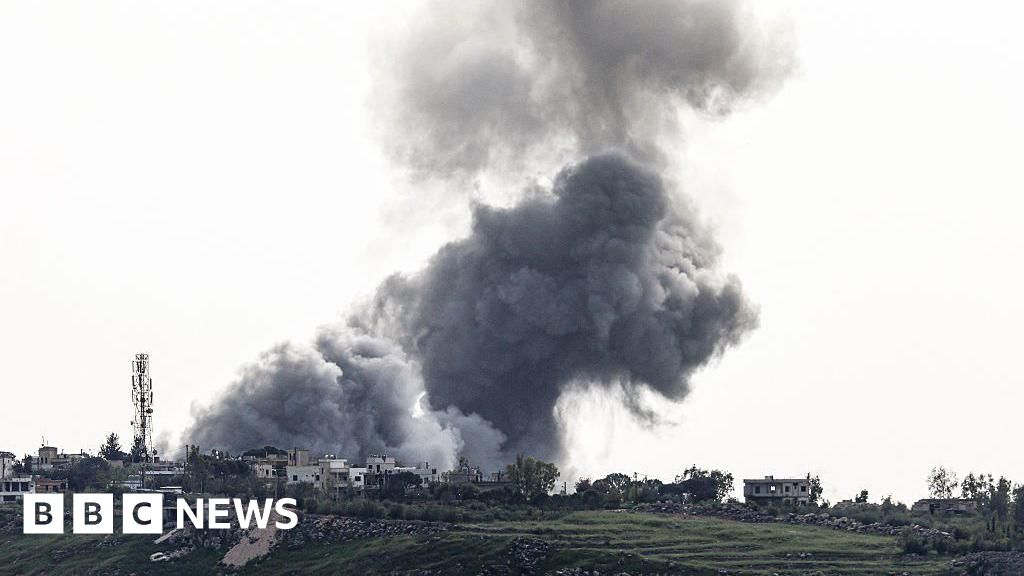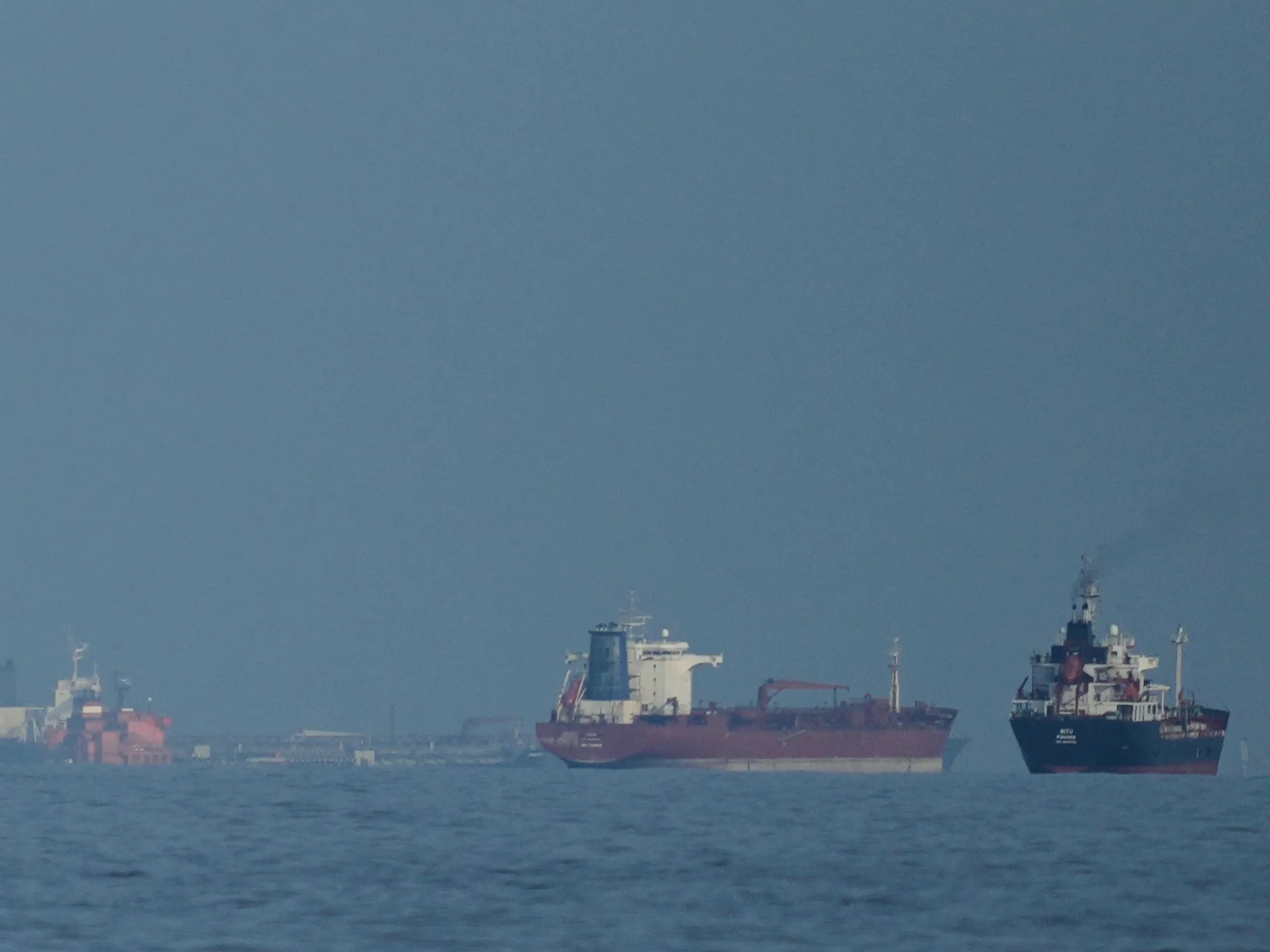

Brent crude surged more than 2% to $106.99 per barrel as of 1:30 GMT on Sunday, following the collapse of planned US-Iran ceasefire talks in Pakistan, a development that sharply alters fiscal calculus for Middle East and North Africa sovereigns. The Gulf Cooperation Council’s six sovereign wealth funds, which collectively manage over $4.2 trillion in assets, see immediate upside to fiscal breakeven levels: Saudi Arabia’s 2026 breakeven sits at $81 per barrel, while the UAE and Qatar require roughly $55 and $40 respectively, freeing substantial headroom for non-oil diversification spend. The diplomatic impasse has also triggered a near-paralysis of the Strait of Hormuz, with daily commercial transits collapsing to 19 vessels from a pre-February 2026 average of 129, stifling 20% of global oil and natural gas flows. For MENA sovereign capital allocators, this dual dynamic of commodity windfall and supply chain disruption is accelerating redeployment of dry powder into both redundant energy infrastructure and sovereign-backed venture capital mandates targeting regional supply chain resilience.
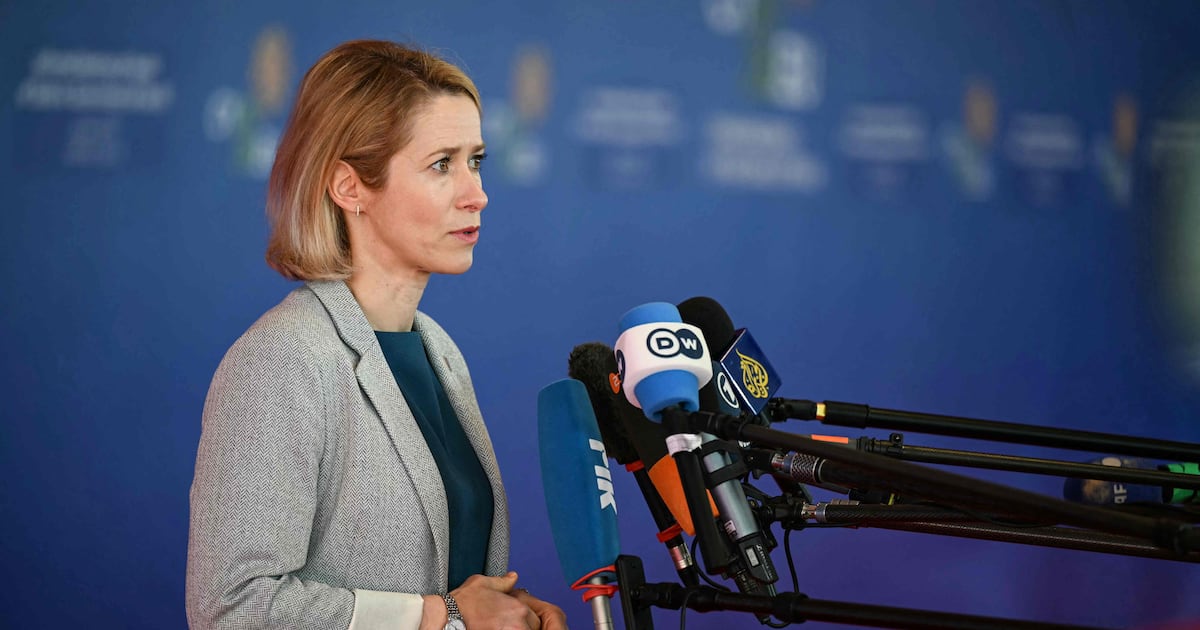
The collapse of the Pakistan talks, triggered by Iranian Foreign Minister Abbas Araghchi’s departure ahead of US envoy engagement and formalized by President Donald Trump’s cancellation of Steve Witkoff and Jared Kushner’s planned Islamabad trip, has extended a two-week truce with no set deadline, entrenching volatility across regional capital markets. Unlike Asian equities which shrugged off the impasse to post gains on Monday morning, with Japan’s Nikkei 225 up 0.9% and South Korea’s KOSPI rising 1.5%, Gulf benchmark indices are pricing in elevated geopolitical risk premia, with widening credit default swap spreads for GCC sovereigns reflecting concerns over prolonged shipping disruptions. Sovereign infrastructure spend is being redirected at pace: Gulf states are accelerating $210 billion in planned energy and logistics redundancy projects, including the UAE’s 1.5 million barrel per day ADCO pipeline and Saudi Arabia’s 5 million barrel per day East-West crude line, both designed to bypass Hormuz. For the region’s venture capital ecosystem, which drew 44% of its 2025 funding from sovereign-backed vehicles per MAGNITT data, higher oil revenues are replenishing deployable capital even as foreign VC inflows slow amid mounting logistics cost pressures for regional startups.
Iran’s pivot to Russia and Oman, with Araghchi holding talks with Vladimir Putin in Saint Petersburg on Monday following a stop in Muscat, adds a layer of complexity to regional trade and investment flows, as Tehran deepens non-Western alignment to circumvent diplomatic isolation. The Strait of Hormuz disruption is already hitting regional logistics hubs, with throughput at Dubai’s Jebel Ali and Qatar’s Hamad Port down 18% week-on-week, threatening the GCC’s core non-oil growth drivers including trade, tourism and logistics. Sovereign capital is responding with targeted bets: MENA sovereign-backed VC arms are prioritizing investments in maritime AI, supply chain tech and alternative energy startups, aligning with national security and diversification agendas. With Trump’s truce extension lacking a clear deadline, regional allocators are bracing for sustained volatility, balancing near-term hydrocarbon revenues against long-term risks to infrastructure utilisation and startup scaling across the MENA ecosystem.