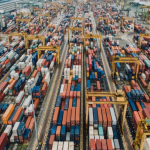

DP World’s expansion of its Sustainable Development Impact Disclosure framework to Brazil, Senegal, and South Africa represents a strategic recalibration of regional infrastructure investment, leveraging sovereign capital flows from Gulf Cooperation Council states to penetrate high-growth emerging markets. This move underscores how MENA entities are deploying logistics assets as instruments for economic diversification, with the extended reporting framework providing institutional investors granular data on SDG-aligned returns that are increasingly critical for allocating capital in blended finance structures targeting Africa’s infrastructure deficit.
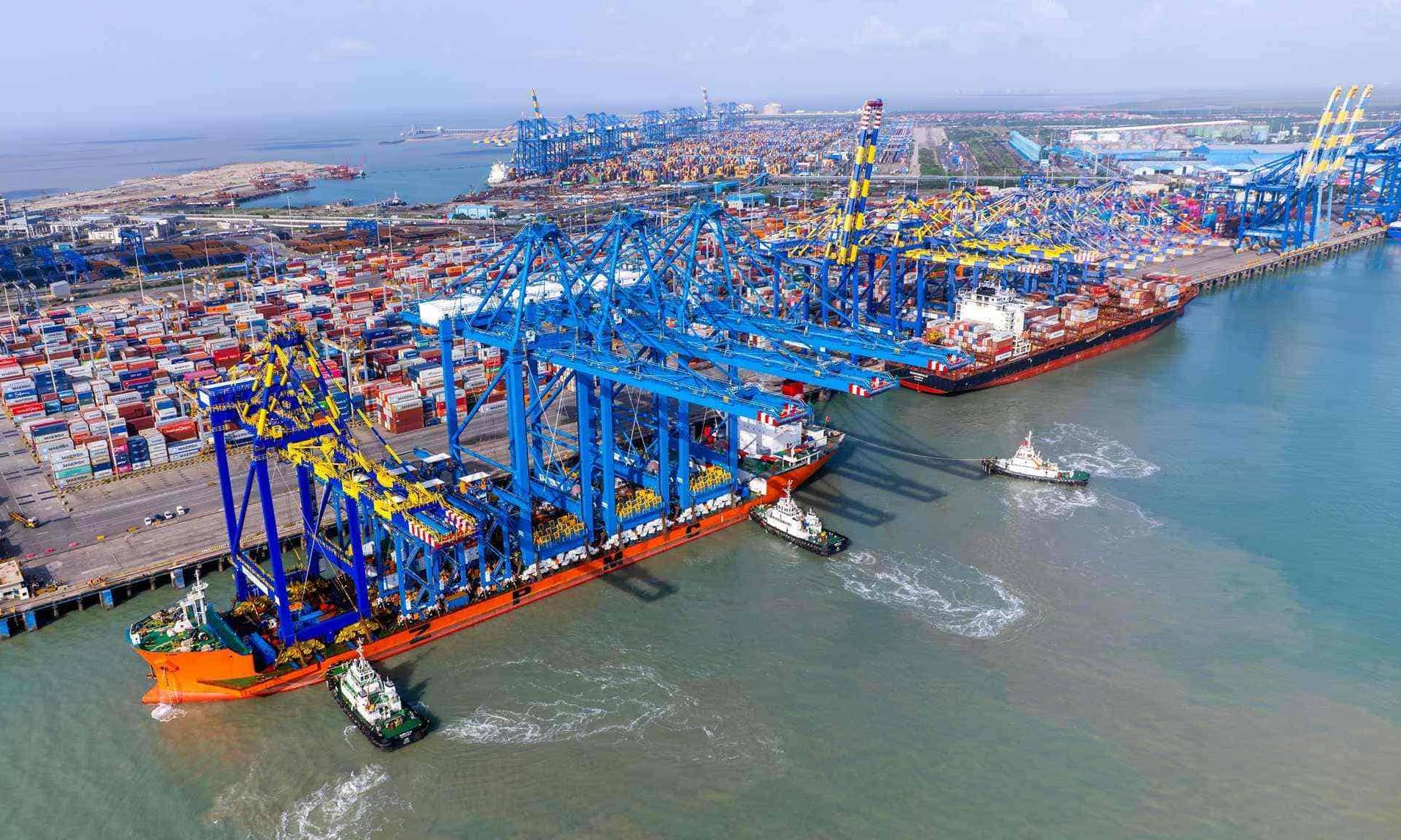
The operational highlights—Rumo’s Santos terminal expanding Brazil’s agricultural export capacity and the Dakar terminal’s quintupling throughput since 2008—demonstrate tangible business impacts reshaping regional trade corridors. These investments, facilitated by partnerships with development finance institutions, are strategically positioning DP World within the GCC’s broader infrastructure deployment strategy across Africa, creating essential nodes that catalyze sovereign-backed supply chain resilience while simultaneously opening pathways for venture capital engagement in adjacent sectors like port technology and sustainable logistics solutions.
Crucially, DP World’s leadership in adopting the Impact Disclosure Taskforce’s framework sets a precedent for infrastructure-focused entities seeking transparency in measuring development outcomes. This approach aligns with institutional investor demands for asset-level SDG impact metrics, particularly as sovereign wealth capital increasingly requires verifiable environmental and social co-benefits for deploying capital into African and MENA infrastructure projects. The model offers a replicable blueprint for logistics operators to attract long-term institutional capital by demonstrating how infrastructure investments directly advance UN development goals while delivering commercial returns.