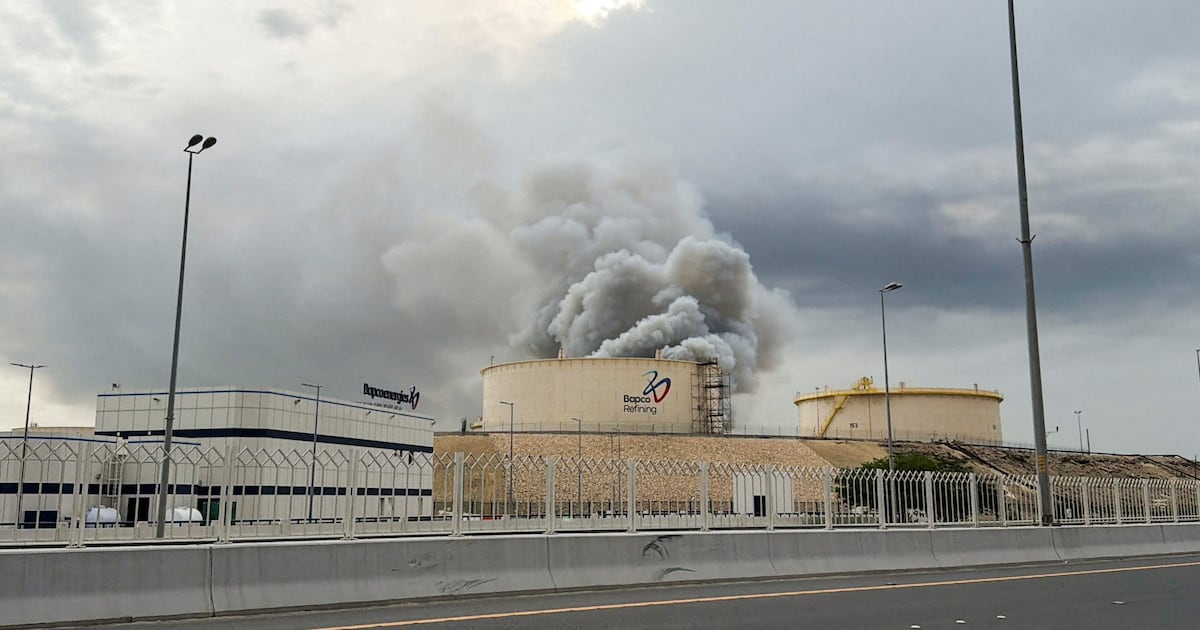

Bahrain’slatest move to revoke citizenship for 69 dual nationals linked to Iran represents a strategic recalibration of its geopolitical and economic calculus amid escalating regional tensions. By leveraging Article 10/3 of its nationality law, the kingdom signals an intensified focus on border security and loyalty, a response necessitated by Iran’s retaliatory strikes targeting Gulf energy infrastructure. From a business perspective, this action risks destabilizing Bahrain’s position as a regional hub for finance and trade, particularly as expatriate talent—critical to sectors like finance, engineering, and logistics—faces uncertainty. The purge of workers with perceived ties to Iran or Hezbollah may deter foreign investment in sensitive sectors, exacerbating labor shortages in a region already grappling with nominal GDP growth stagnation. Moreover, the precedent could embolden Gulf states to adopt similar measures, potentially fragmenting labor markets and increasing operational costs for multinational corporations reliant on cross-border expertise.
The fallout for sovereign capital and venture capital (VC) markets is profound. Gulf sovereign wealth funds, which have increasingly diversified into MENA tech and infrastructure, may reassess risk exposure in regions where citizenship volatility undermines social stability. Bahrain’s decision, echoing recent mass revocations in Kuwait, could trigger capital flight or accelerated investment in neighboring states offering greater regulatory predictability. For VC ecosystems, the climate of fear surrounding political dissent—whether justified or not—may stifle innovation by alienating networks of international entrepreneurs and financiers accustomed to mobility and collaboration. While regional leaders frame such actions as necessary to preserve stability, the long-term impact on VC flows appears downward, particularly in sectors sensitive to geopolitical volatility, such as telecommunications and cybersecurity.
Infrastructure development across the MENA region faces dual challenges as a result of these security-driven policies. While Gulf states continue to pour sovereign capital into smart cities, renewable energy, and transportation projects—areas central to regional economic diversification—the retention of skilled labor remains precarious. Talent tied to Iran-linked entities or expatriates in sensitive fields may self-censor or exit, slowing execution timelines for public-private partnerships. Additionally, regional infrastructure interdependencies, such as cross-border water management or trade logistics, could face friction as nations prioritize domestic security over integration. The strategic relocation of industrial activities from Gulf coasts to non-Iranian regions might further fragment supply chains, overshadowing Gulf ambitions to position themselves as global logistics nexuses. In this context, the political calculus by Kuwait and Bahrain—a leveraged response to Iran’s aggression—could inadvertently undermine their stated goals of economic integration and technological leadership in the region.