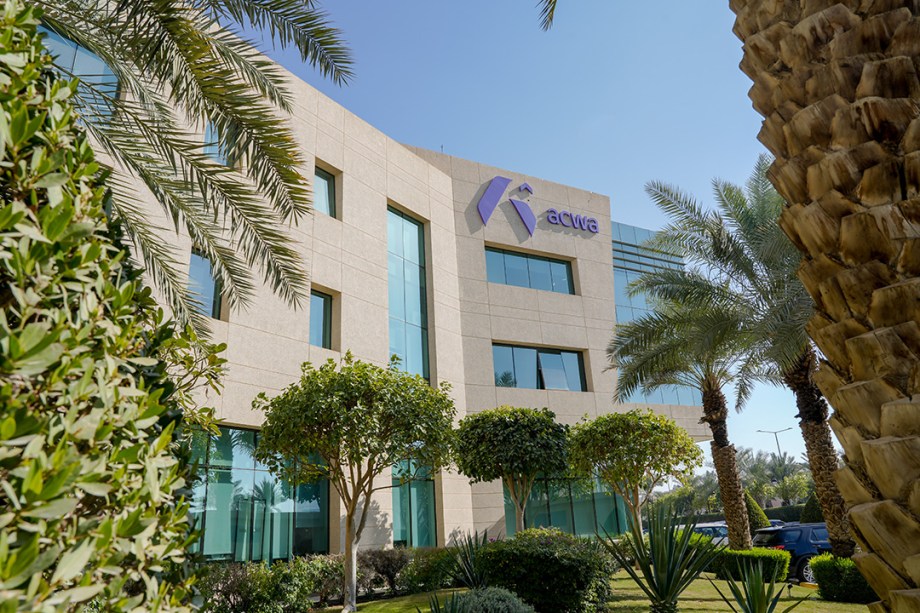

The $10 billion partnership between ACWA Power and Danantara represents a pivotal moment for Gulf capital allocation, extending far beyond a bilateral transaction. For stakeholders across the Middle East and North Africa, the agreement functions as a stress test for the region’s established infrastructure development model, which has historically delivered large-scale solar, desalination, and power projects with precision. This model, predicated on defined sites, long-term offtake structures, and centralized governance, has proven effective domestically. The critical challenge now lies in its transnational application, requiring a nuanced adaptation to the distinct regulatory, legal, and operational realities of host nations like Indonesia, rather than a simple export of existing frameworks.
From a sovereign capital and venture capital perspective, the transition from MoU to a bankable project pipeline is the primary determinant of success. The framework must rapidly crystallize into site-specific projects, with an initial target of 5 gigawatts, to provide the necessary clarity for asset localization, land acquisition, and power purchase agreements. Furthermore, the integration of enabling infrastructure, particularly battery storage, is non-negotiable for stabilizing intermittent renewable sources. Without this granular specificity, even well-capitalized initiatives face the risk of stagnation; successful execution, however, will unlock sequential funding and attract further institutional investors, converting strategic intent into tangible economic infrastructure.
The broader strategic implications for regional development are substantial, particularly for Saudi Arabia’s economic diversification goals, where such overseas projects serve as critical vessels for exporting domestic expertise. Success in Indonesia would validate the scalability of the Gulf’s project development model in high-growth, complex markets, positioning MENA investors as systemic players in the global energy transition. Conversely, delays would undermine market confidence. The competitive nature of Southeast Asian energy investment mandates that speed and operational rigor are paramount, as capital is selectively deployed toward projects demonstrating clear feasibility and commercial robustness, thereby reinforcing the necessity for decisive execution to secure the region’s future infrastructure leadership.