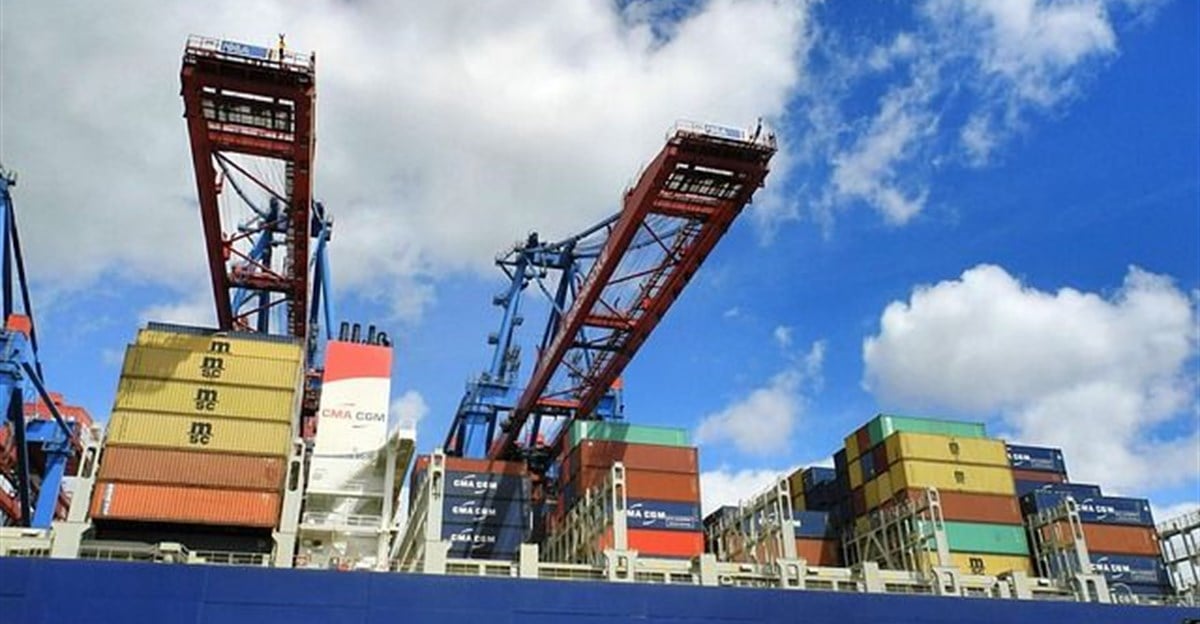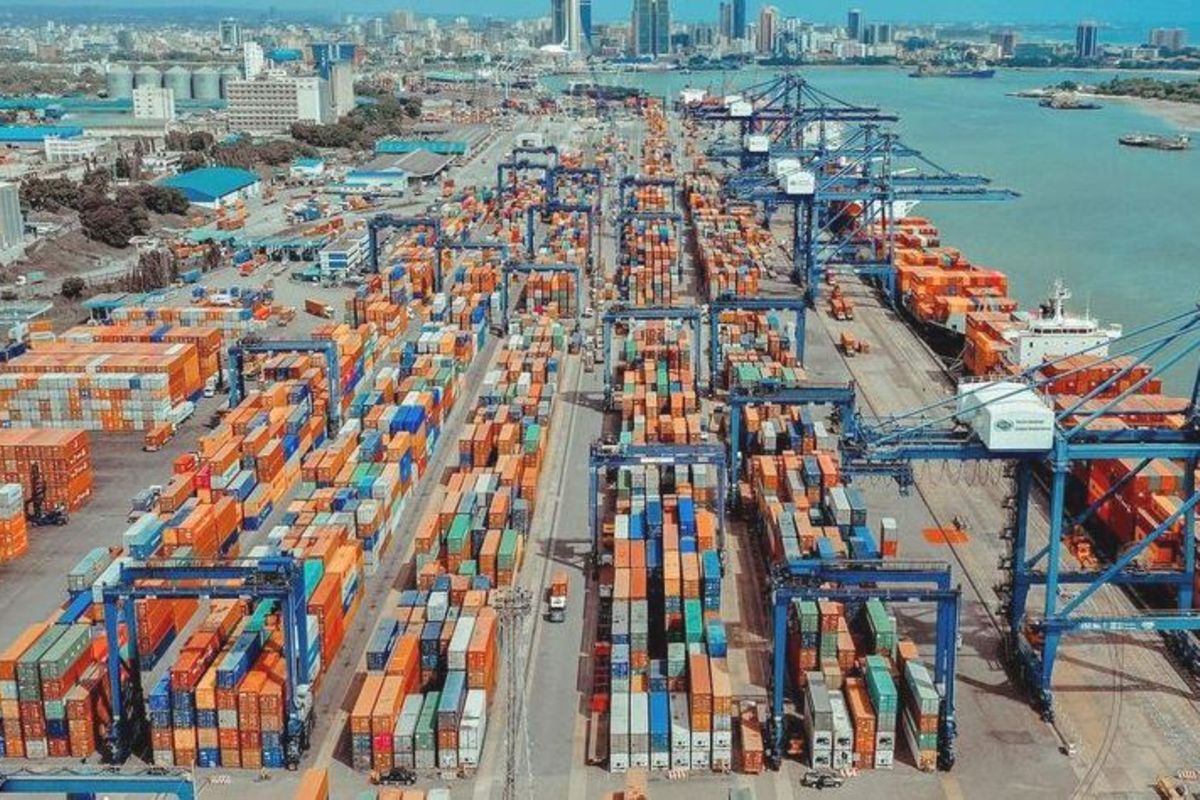

The Dar es Salaam port’s overhaul, now under DP World’s operational umbrella, is reshaping Tanzania’s trade architecture into a conduit for regional supply‑chain integration and sovereign revenue growth. By deploying 20 new terminal tractors, 31 trailers and eight rubber‑tyred gantry cranes—half of which will be on‑line by mid‑2026—the terminal’s handling capacity has surged, slashing berth‑waiting lists from 35 vessels in April 2024 to 17 by April 2026. This efficiency gain has cut vessel turnaround times by roughly 30 %, driving down freight costs and positioning the port as a preferred hub for international carriers navigating the Indian Ocean corridor.
From a fiscal perspective, the modernisation delivers a tangible boost to Tanzania’s treasury. Enhanced cargo tracking, automated gate systems and streamlined customs processes have propelled monthly tax collections from an average of 800 million shillings to north of one trillion shillings, reflecting both volume uplift and higher compliance rates. The surge in container throughput—up 55 % year‑on‑year—and the handling of mega‑vessels such as the 305‑metre MSC Stella underscore the port’s newfound capacity to capture higher‑margin freight services, reinforcing sovereign capital inflows that can be redeployed into broader infrastructure projects.
Venture capital and private‑equity investors are taking note of the ancillary opportunities emerging around the port’s ecosystem. The lift in roll‑on/roll‑off and dry‑bulk movements—up 20 % and 22 % respectively—has catalysed demand for inland freight corridors, warehousing platforms and digital logistics solutions. Early‑stage funds focused on the MENA‑East African corridor are already earmarking seed capital for start‑ups that offer last‑mile connectivity, IoT‑enabled cargo monitoring, and AI‑driven scheduling, anticipating a multiplier effect that could unlock an estimated US$1.2 billion of private investment across the logistics value chain by 2028.
Strategically, the port’s upgraded infrastructure dovetails with the African Continental Free Trade Area’s ambition to reduce intra‑regional trade costs. For landlocked neighbours—Uganda, Rwanda, Burundi and the DRC—the Dar es Salaam gateway now promises reliable, high‑throughput access to global markets, enhancing their trade balances and reducing dependence on alternative, less efficient corridors. The partnership model, blending DP World’s global best practices with Tanzanian human‑capital development, offers a replicable template for other MENA and North‑African ports seeking to convert sovereign assets into growth engines that attract both state‑level financing and private sector innovation.