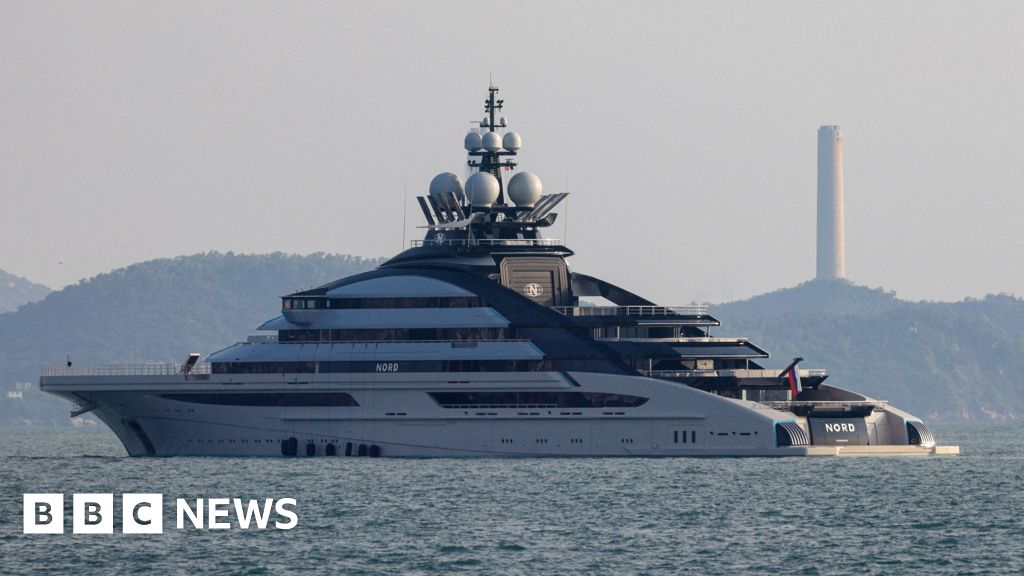

The transit of a 141-metre vessel tied to a Kremlin-affiliated power center through a constrained chokepoint signals more than a maritime exception; it recalibrates risk assumptions for sovereign capital stewards across the Middle East and North Africa. Gulf balance sheets, long accustomed to pricing geopolitical friction into logistics and insurance line items, must now contend with secondary sanctions drift, counterparty concentration and the latent cost of strategic ambiguity in north-south corridors. For regional institutions deploying hundreds of billions in fixed-income and infrastructure allocations, the incident raises the premium on multilateral transit guarantees and hardens the case for re-routing critical tonnage through Red Sea–Gulf industrial hubs where sovereign oversight is decisive.
Venture capital allocators, already pivoting from growth optics to capital preservation, will face tighter constraints on cross-border hardware, maritime-tech and cold-chain bets exposed to east–west sanction leakage. Limited partners are likely to demand onshore escrow structures, neutral-jurisdiction special purpose vehicles and stricter beneficial-ownership diligence for any platform that touches dual-use logistics or high-seas assets. The recalibration accelerates a shift toward intra-regional deal flow—smart ports, warehousing automation and supply-chain control towers—that aligns with capital controls regimes and reduces sanctionable footprint, even at the cost of slower scale.
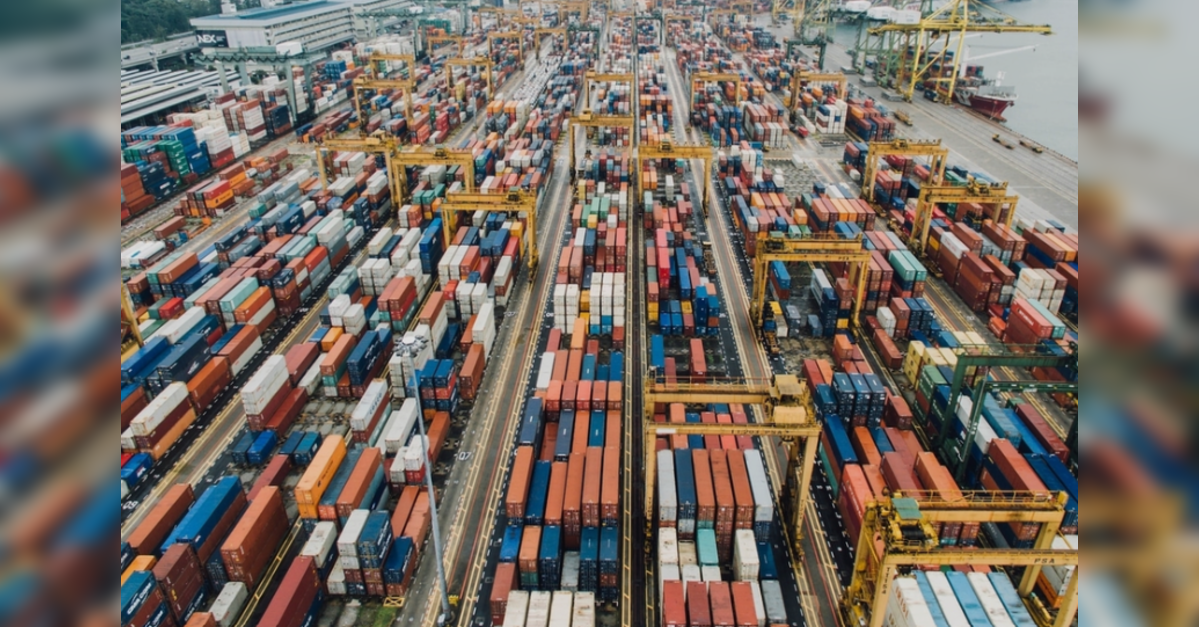
Infrastructure master plans from Suez to the Levant will confront higher sovereign balance-sheet costs and elevated insurance layers as operators de-risk chokepoints through redundancy and state-backed war chests. The episode underscores the commercial rationale for sovereign co-investment in alternative corridors—dry ports, rail links and inland clearance zones—that dilute chokepoint rent-seeking while anchoring value within MENA capital stacks. In effect, maritime maneuvering near the canal is translating into long-horizon capital discipline: liquidity will favor assets that internalize geopolitical variance, and sovereign capital will increasingly act as the ultimate insurer of last resort for the region’s trade architecture.