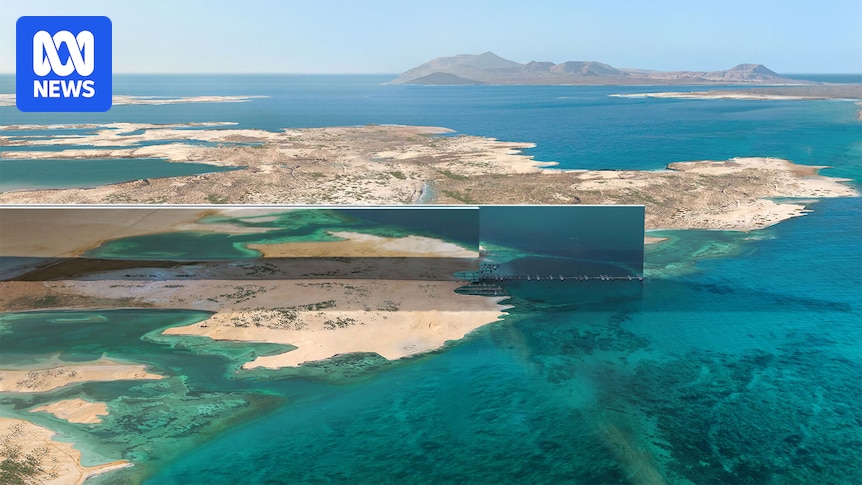

Saudi Arabia’s $1.5 trillion Public Investment Fund (PIF) has been forced to reassess the capital allocation underpinning Vision 2030 as the Iran‑Saudi conflict threatens the kingdom’s ability to attract foreign direct investment. The war has heightened geopolitical risk premiums, prompting multinational firms to delay or cancel projects that were central to the diversification agenda – from large‑scale tourism resorts to the neon‑lit “Line” at NEOM. As Chatham House fellow Neil Quilliam notes, instability in the Gulf erodes the confidence of investors seeking long‑term exposure, thereby jeopardising the $140 billion foreign‑capital target that underwrites the kingdom’s shift away from oil‑derived revenues.
Oil‑related shockwaves have amplified the urgency of this strategic pivot. Iranian missile strikes on the East–West pipeline and the effective closure of the Strait of Hormuz have constrained Saudi export volumes, even as oil prices have risen. The fiscal squeeze has accelerated the PIF’s recalibration of spending, with non‑essential initiatives such as the LIV Golf franchise being deprioritised. Nonetheless, the fund insists that flagship projects like NEOM remain “major global economic zones,” albeit on a revised timetable, signalling a move to protect core assets while preserving the broader narrative of economic transformation.
The ripple effects extend to the regional venture‑capital ecosystem. Saudi’s ambition to become a nexus for technology, sport and cultural investment relies on a pipeline of start‑ups and scale‑ups that draw on both sovereign and private capital. With the war inflating risk‑adjusted returns, regional funds may tighten mandates, potentially stalling the financing of high‑growth ventures that were slated to benefit from “soft‑power” initiatives such as the 2034 FIFA World Cup and the influx of expatriate talent. The recalibration of the PIF’s budget therefore poses a systemic challenge to the nascent MENA venture landscape, where sovereign backing has been a critical catalyst.
Infrastructure planners across the Gulf are now confronting a “worst‑case scenario” in which prolonged hostilities could lock the Strait of Hormuz and reshape logistics networks. Saudi Arabia’s dual role as a host to U.S. forces and a target of Iranian drone attacks raises questions about the durability of existing supply‑chain corridors, compelling both public and private stakeholders to diversify transport routes and consider alternative financing structures. The outcome of the conflict will determine whether the kingdom can sustain its high‑profile projects and retain its emerging position as a regional hub for finance, sport and technology, or whether a protracted security environment will force a fundamental scaling‑back of Vision 2030’s grand ambitions.