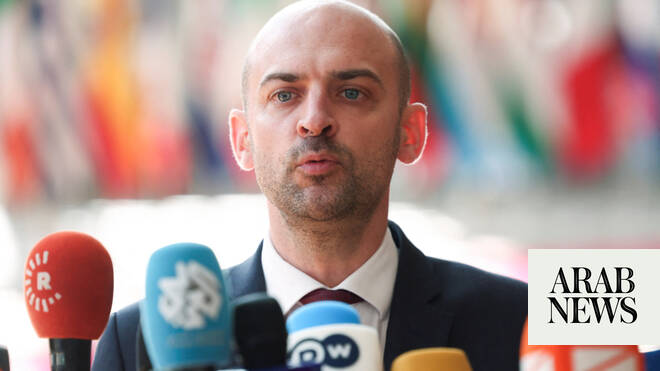

FrenchForeign Minister Jean‑Noel Barrot’s warning that Tehran must make “major concessions” underscores a deepening strategic impasse that threatens the stability of the Strait of Hormuz, through which roughly 17 % of global crude oil transits. The corridor’s disruption would reverberate through sovereign‑fund‑backed oil price stabilization mechanisms, jeopardize Gulf‑region budget balances reliant on oil receipts, and force major energy‑intensive industries to reassess risk premiums on projects tied to maritime logistics.
Regional sovereign capital vehicles, including the Gulf Cooperation Council’s sovereign wealth funds and Saudi Arabia’s Public Investment Fund, face heightened pressure to diversify away from volatile oil exposure. In response, they are accelerating allocations toward alternative energy assets, technology‑driven logistics platforms, and green hydrogen projects that reduce dependence on maritime chokepoints. Simultaneously, venture‑capital pools in Dubai, Riyadh and Abu Dhabi are redirecting capital toward maritime technology startups—ranging from autonomous vessel monitoring to secure digital trade finance—to safeguard regional supply chains.
The United States’ imposition of additional sanctions and the threat of a “coalition of like‑minded partners” deploying naval assets intensifies the risk profile for infrastructure megaprojects across MENA. Pipeline expansions, port deepening programmes, and rail corridors planned to bypass sea lanes now carry elevated geopolitical cost, prompting lenders to demand higher spreads and stricter covenants. This, in turn, slows the rollout of time‑sensitive transport upgrades that are critical for the region’s ambition to become a logistics hub linking Asia, Europe and Africa.
Overall, the escalating Strait of Hormuz standoff is reshaping the investment calculus for sovereign wealth, private equity and venture capital across the Middle East and North Africa. Policymakers and financiers are pivoting toward risk‑mitigating assets, scaling non‑oil revenue streams, and prioritising infrastructure that can operate independently of maritime security contingencies, signalling a longer‑term shift in the region’s economic architecture.