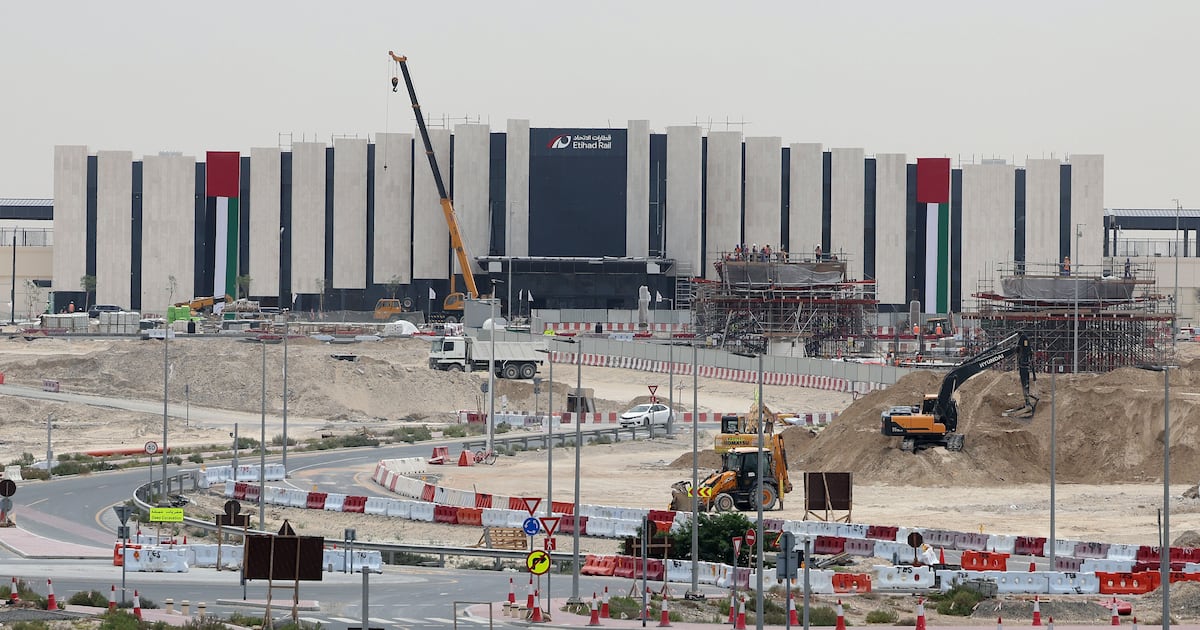

Dubai is accelerating its urban development with a substantial investment in transport infrastructure, positioning Jumeirah Golf Estates as a pivotal future hub with significant ramifications for the wider MENA region. The planned integration of two metro lines, a forthcoming Etihad Rail station, and enhanced bus connectivity within the area represents a strategic move towards a layered, networked mobility system. This initiative carries substantial business implications, poised to unlock value in real estate, attract further investment, and reshape regional connectivity.
The sovereign wealth of Dubai, coupled with substantial venture capital flows within the UAE, are fueling this ambitious project. The development of a comprehensive transit hub at Jumeirah Golf Estates demonstrates a commitment to long-term urban planning and sustainability. This integrated approach is expected to attract significant private sector development, including residential, commercial, and hospitality ventures, fostering economic diversification beyond traditional sectors. Furthermore, the Etihad Rail connection will facilitate enhanced trade and tourism linkages across the UAE and potentially with neighboring countries, bolstering regional economic integration. The infrastructure development itself presents opportunities for local and international construction firms and technology providers.
From a regional perspective, the Jumeirah Golf Estates hub underscores a broader trend towards transit-oriented development across the MENA region. The successful implementation of first- and last-mile connectivity solutions – including pedestrian infrastructure, ride-sharing integration, and efficient bus networks – will be critical to maximizing the potential of this hub and preventing car dependency. This shift has the potential to alleviate traffic congestion in Dubai, reduce carbon emissions, and improve the overall quality of life for residents. The scalability of this model could serve as a blueprint for other rapidly urbanizing cities in the region seeking to create sustainable and economically vibrant urban centers.
The strategic importance of Jumeirah Golf Estates extends beyond its immediate vicinity. Its positioning to serve burgeoning communities like Jumeirah Village Triangle and the future Al Maktoum International Airport highlights its role as a key node in Dubai’s expanding urban footprint. The development’s success hinges on a holistic approach, integrating seamless multimodal connections and fostering a liveable, walkable environment. The project’s implications for regional infrastructure extend to future connectivity with Etihad Rail, which has the potential to significantly reshape long-distance travel and logistics across the UAE, contributing to greater economic efficiency and regional cooperation. Careful planning and investment in these ancillary services will be crucial to realizing the full potential of this ambitious transport undertaking.