
The deployment of North Korean special operations forces in Russia’s Kursk theatre represents a strategic inflection point with profound implications for the Middle East’s defense technology sector and sovereign investment calculus. Regional defense conglomerates, from Saudi Arabian Military Industries to UAE-based EDGE Group, are recalibrating capital allocation models as asymmetric warfare tactics gain prominence on the contemporary battlefield. This shift carries direct ramifications for the Gulf’s $200 billion sovereign wealth ecosystem, where entities like ADQ and Mubadala have committed over $50 billion to domestic defense industrialization since 2022. The specter of suicide warfare doctrine normalization poses material risks to conventional procurement strategies that underpin much of the region’s military modernization programme.
MENA venture capital networks are already registering increased deal flow in autonomous systems and electronic warfare capabilities, sectors that attracted $3.2 billion in regional fintech-style investments across 2025. The revelation that Pyongyang secured military technology transfers from Moscow in exchange for combat personnel underscores the premium now placed on rapid acquisition channels outside traditional NATO supply chains. Saudi Arabia’s Public Investment Fund and Qatar Investment Authority have both signaled intentions to expand defense technology portfolios, viewing the current geopolitical volatility as validation for accelerated domestic capability development. This realignment represents a fundamental shift from buyer-diplomat model toward indigenous innovation ecosystems.
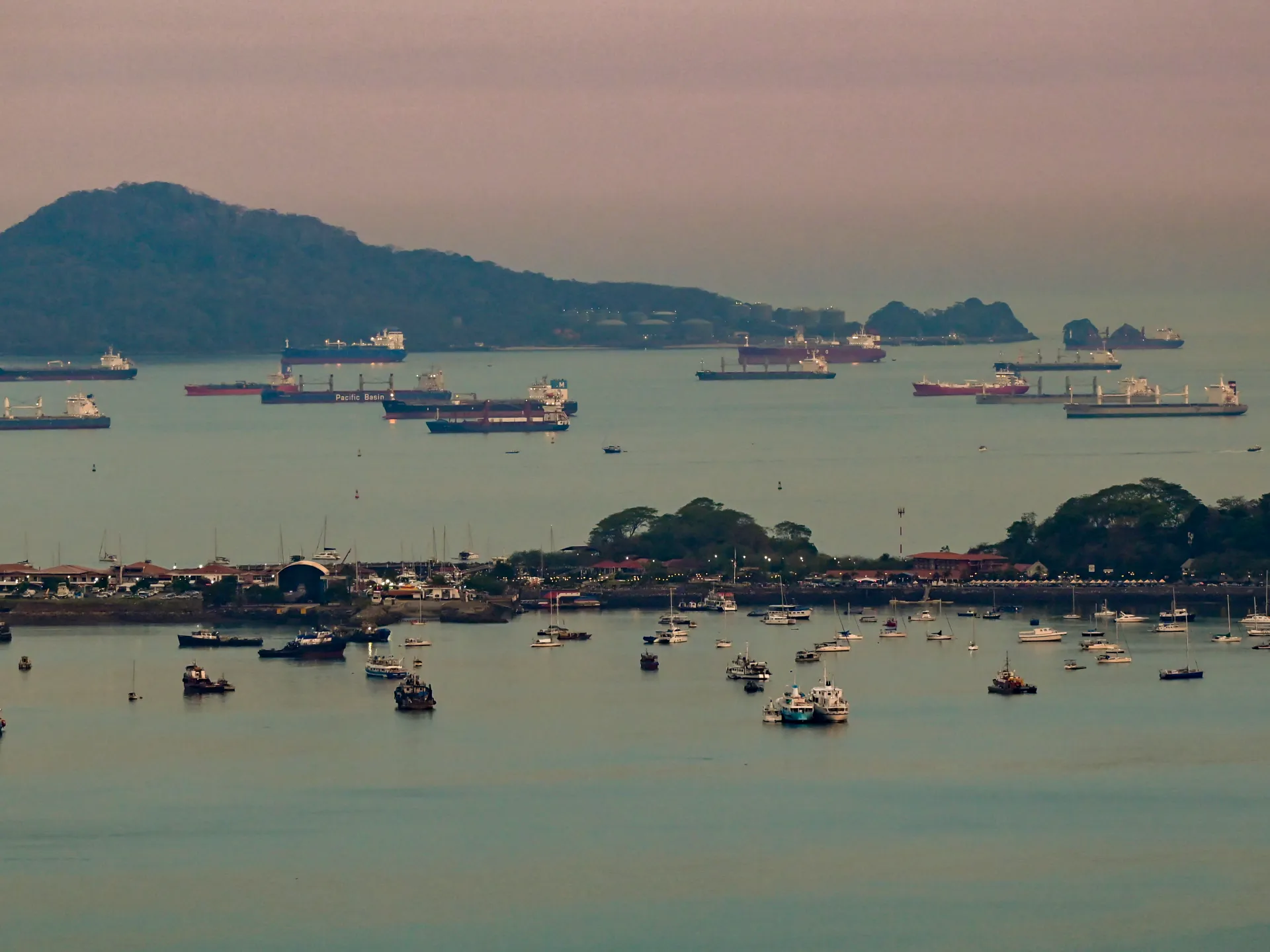
Infrastructure implications extend beyond manufacturing corridors to encompass critical supply chain reconfiguration across the Belt and Road Initiative’s western termini. UAE ports such as Khalifa Port and Saudi’s Jazan Economic City are positioned to become alternative logistics nodes should Eurasian overland routes face sustained disruption. The participation of non-state actors in peer-to-peer conflict dynamics is catalyzing unprecedented cooperation between Gulf Cooperation Council members and European partners on integrated air defense architectures. These arrangements carry estimated implementation costs exceeding $150 billion through 2030, representing one of the largest coordinated private-public investment undertakings in regional defense history.
The business community’s response reflects deeper anxieties about alliance reliability and technology sharing protocols that have governed regional security architecture for decades. Major oil producers are simultaneously investing in hardened infrastructure while pursuing alternative payment mechanisms that reduce exposure to Western financial systems. This dual-track approach mirrors the broader strategic realignment occurring across emerging markets, where traditional security guarantees are being supplanted by transactional partnerships. The long-term implications suggest a multi-polar military financing landscape emerging, with significant ramifications for project finance structures and cross-border investment frameworks that historically favored Western capital markets.