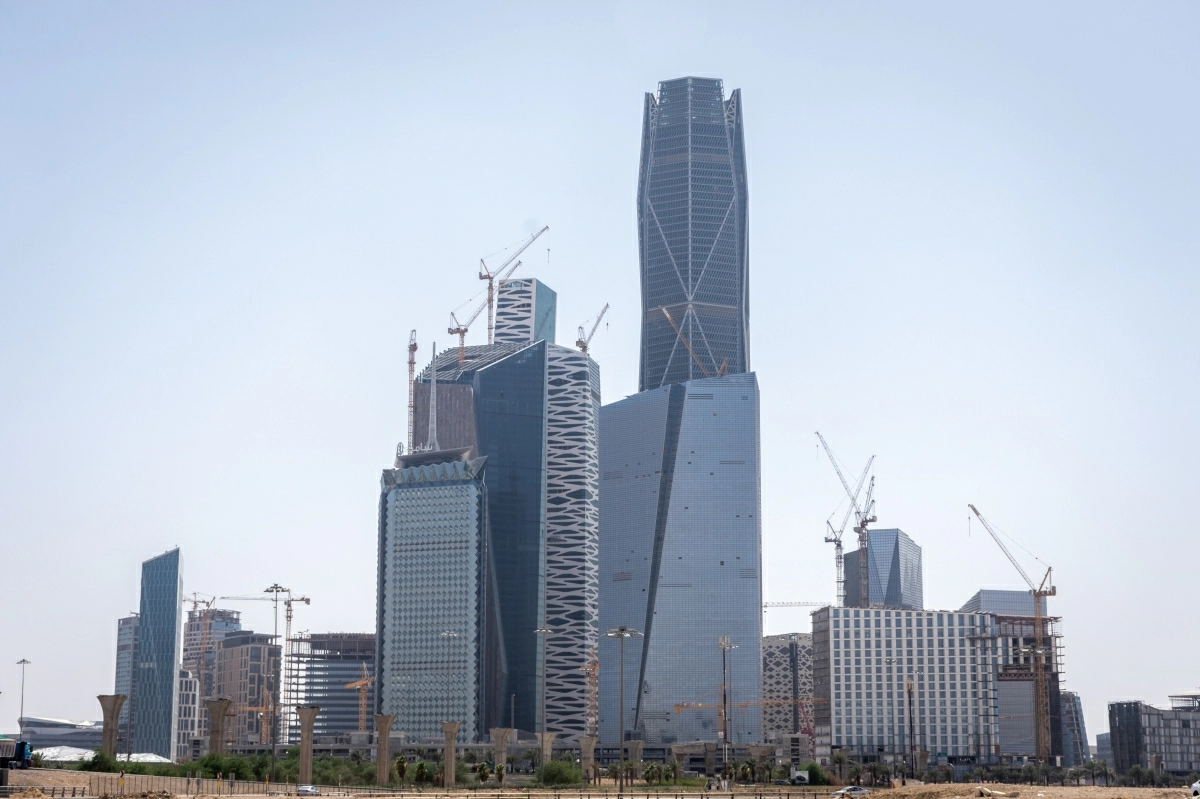

Saudi Arabia’s Public Investment Fund (PIF) has unveiled a revised 2026-2030 strategy, assessed by Moody’s as a pivotal step toward bolstering financial resilience and accelerating long-term economic diversification. This strategic recalibration signifies a deliberate shift from opportunistic investments toward sustained value creation, enhanced capital efficiency, and precisely targeted deployment across core sectors. The move is predicated on generating more predictable cash flows, thereby strengthening the PIF’s institutional capacity and directly supporting Saudi Arabia’s ambitious Vision 2030 roadmap. This refinement acknowledges the critical role sovereign wealth funds play in navigating the complexities of a rapidly evolving global economic landscape, particularly within the MENA region.
The PIF’s strategy prioritizes capital allocation into high-impact areas, focusing on scaling national champions and fostering integrated sector ecosystems. This ecosystem-centric model aims to maximize economic impact by creating synergistic opportunities between industries and optimizing capital deployment. Notably, the Vision portfolio, encompassing sectors like tourism, entertainment, advanced manufacturing, and clean energy, is projected to receive the largest capital influx through 2030. This concentrated investment will be crucial for realizing Saudi Arabia’s ambitions in these key domains, positioning the Kingdom as a global hub for innovation and economic growth.
The reorganization of the PIF’s portfolio into Vision, Strategic, and Financial segments underscores a commitment to improved operational efficacy and alignment with national economic objectives. While the Strategic portfolio will continue to support established entities and facilitating public-private partnerships, the Financial portfolio will provide crucial global diversification and liquidity. This balanced approach allows for both domestic strengthening and international growth, mitigating risks and enhancing the fund’s long-term sustainability. Importantly, the PIF’s strategic emphasis on domestic investment builds on its already significant impact in expanding Saudi Arabia’s non-oil sector, demonstrating a commitment to fostering a resilient and diversified national economy.
The successful implementation of this revised strategy will have far-reaching consequences for the MENA region. The intensified sovereign capital deployment within Saudi Arabia serves as a compelling model for other states pursuing ambitious diversification plans. Furthermore, the PIF’s increased investment in venture capital and technology-driven startups, both domestically and internationally, will stimulate innovation and fuel growth across the region. Its commitment to building robust regional infrastructure, particularly in the areas of digital connectivity and renewable energy, will further enhance the competitiveness of the MENA economies. While challenges remain – including geopolitical risks and the concentration of investment in specific sectors – the PIF’s strategy offers a significant catalyst for transformative economic change in the region, and warrants close observation from both investors and policymakers alike.