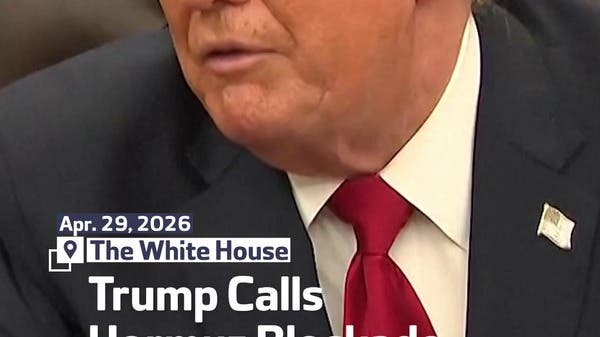

Former U.S. President Donald Trump’s recent characterization of a potential blockade of the Strait of Hormuz as “genius” and “foolproof” sent immediate tremors through regional markets, prompting a sharp reassessment of sovereign exposure and venture‑capital pipelines across the Gulf. The Hormuz chokepoint, responsible for roughly 20 % of global oil transit, is a strategic asset for Saudi Arabia, the United Arab Emirates and Qatar, whose fiscal balances remain heavily oil‑linked despite ongoing diversification drives. Any disruption would inflate crude premiums, strain balance‑of‑payments sheets and compel sovereign wealth funds to tap contingency reserves, thereby diverting capital away from ambitious non‑energy projects such as Saudi Vision 2030’s NEOM megacity or the UAE’s AI‑driven logistics hub in Abu Dhabi.
In response, regional sovereign investors are accelerating the securitisation of energy‑linked cash flows to pre‑empt liquidity shocks. The Public Investment Fund (PIF) and Abu Dhabi Investment Authority (ADIA) have already signalled interest in expanding green‑bond issuances, leveraging their sizeable liquid pools to offset potential revenue shortfalls. This shift is likely to tighten the funding environment for local venture‑capital firms, which have relied on sovereign back‑stops for early‑stage fintech and clean‑tech startups. With risk premiums expected to rise, venture capitalists may increasingly demand co‑investment from multilateral development banks or Gulf‑based family offices, reshaping the capital‑allocation hierarchy in the MENA tech ecosystem.
Infrastructure planners are also re‑evaluating logistics corridors that bypass Hormuz, accelerating investments in overland pipelines, rail freight links and deep‑water ports on the Red Sea and the Arabian Sea. The United Arab Emirates’ latest expansion of the Khalifa Port free‑zone and Saudi Arabia’s ongoing development of the East–West Railway corridor are being fast‑tracked to safeguard supply‑chain resilience. These projects, while capital‑intensive, present a dual opportunity: they mitigate geopolitical risk while opening new avenues for private‑sector participation through public‑private partnerships (PPPs), which could attract international investors seeking stable, long‑term yields.
Overall, Trump’s rhetoric has crystallised a strategic pivot for Middle Eastern capital markets. Sovereign funds are likely to tighten liquidity buffers, venture capital will confront a more risk‑averse funding landscape, and regional infrastructure initiatives will be fast‑tracked to reduce dependence on the Hormuz strait. The net effect will be a reallocation of capital towards assets and projects that can demonstrably withstand geopolitical volatility, reshaping the MENA investment narrative for the coming decade.