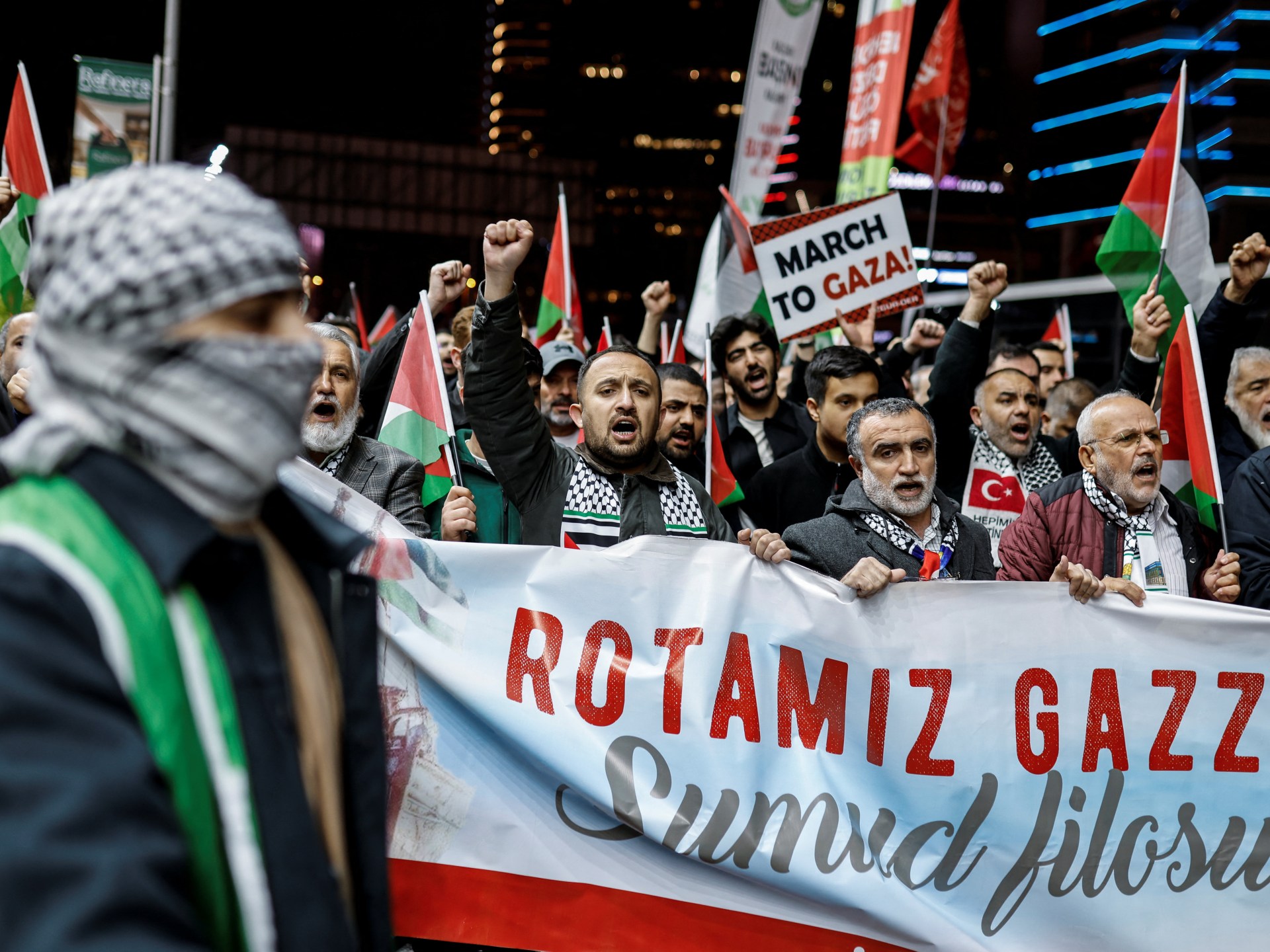

The detention of nearly 200 crew members aboard the Global Sumud Flotilla, including Al Jazeera journalists, has sparked an unprecedented diplomatic backlash that is now reverberating through regional capital markets. Sovereign wealth funds in Saudi Arabia, the United Arab Emirates and Qatar have already signalled heightened scrutiny of any logistics or maritime assets linked to Israeli entities, warning that continued exposure could trigger reputational risk penalties from Western partners and jeopardise cross‑border financing arrangements. This volatility is likely to compress the cost‑of‑capital for Israeli shipping firms and related maritime service providers, while prompting a re‑routing of freight contracts toward Gulf‑based operators that are perceived as politically neutral.
Venture capital firms across the MENA region are reacting swiftly, reallocating scarce early‑stage funds away from Israeli‑adjacent tech startups that rely on maritime data streams or humanitarian‑aid platforms. Funds such as the Qatar Investment Authority’s QIA Ventures and Saudi Arabia’s STV have announced provisional “risk‑adjusted” investment mandates, effectively tightening the pipeline of private‑equity financing for companies caught in the geopolitical cross‑fire. This contraction could shave up to 15 % of projected venture inflows to the sector over the next twelve months, compelling entrepreneurs to seek alternative financing through European or Asian partners.
On the infrastructure front, the incident underscores the fragility of supply‑chain corridors that link the Red Sea to the Mediterranean. Regional authorities are expediting plans to diversify port capacities, with the United Arab Emirates fast‑tracking the expansion of Jebel Ali and the development of the new Al‑Marsa logistics hub in Saudi Arabia’s NEOM corridor. These projects, backed by multibillion‑dollar sovereign capital, aim to create a resilient maritime network insulated from political disruptions, thereby safeguarding trade flows that underpin the GCC’s non‑oil GDP growth targets.
Ultimately, the Global Sumud Flotilla episode is reshaping risk assessments across the MENA financial ecosystem. Investors and policymakers alike are calibrating exposure to entities that could be sanctioned or face operational bans, while simultaneously accelerating sovereign‑led infrastructure programs designed to cement the region’s status as a stable, alternative gateway for global trade. The next quarter will reveal whether these strategic pivots can mitigate the immediate market shock and preserve the growth trajectory of the region’s burgeoning maritime and tech sectors.