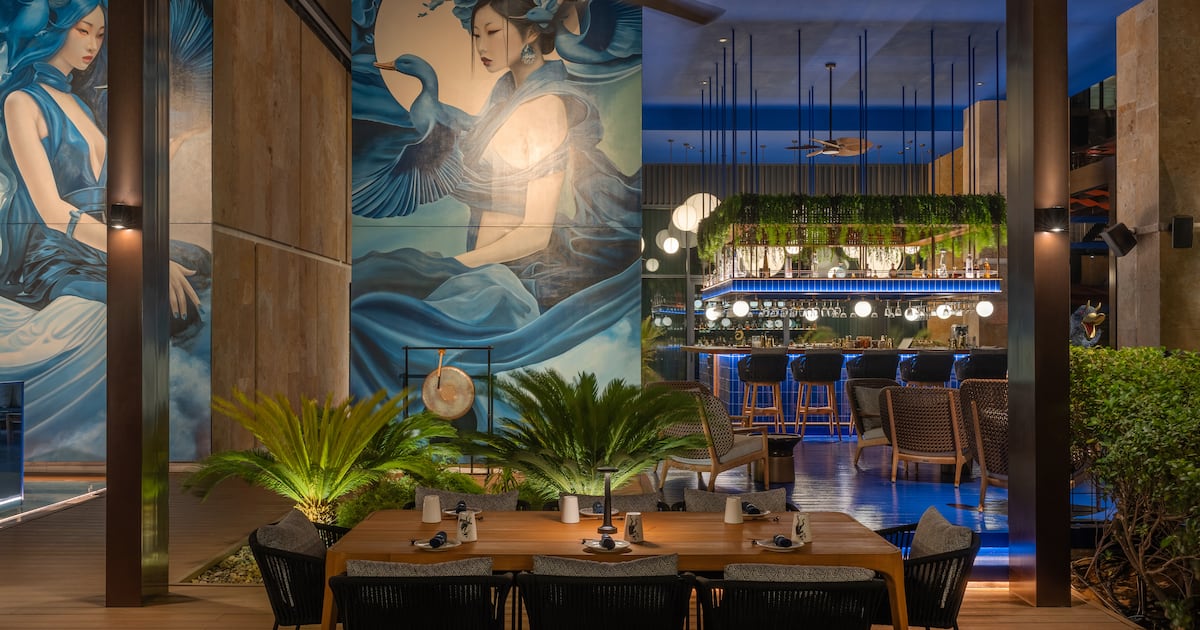

Dubai Restaurant Week represents a calculated instrument in the emirate’s broader economic diversification strategy, channeling sovereign capital toward the hospitality infrastructure that underpins the UAE’s non-oil revenue ambitions. With participating restaurants offering precisely calibrated pricing—Dh125 for lunch and Dh250 for dinner—the initiative functions as both consumer stimulus and market validation mechanism, enabling the city to benchmark its culinary positioning against global benchmarks while attracting high-value tourism demographics. The participation of Michelin-starred establishments alongside regional award recipients signals institutional confidence in Dubai’s evolving status as a gastronomic hub, with the aggregate economic impact extending beyond immediate revenue generation to encompass supply chain optimization across premium ingredients, logistics networks, and labor deployment throughout the MENA region.
From a venture capital perspective, the event illuminates a maturing investment landscape where sovereign wealth funds are increasingly allocating capital to hospitality assets through both direct acquisitions and platform investments in regional F&B operators. The concentration of internationally recognized brands alongside homegrown concepts reflects Dubai’s successful cultivation of an ecosystem that can support both global hospitality chains and indigenous entrepreneurial ventures—a dynamic that regional investors view as essential for sustainable returns. The standardized pricing structure itself represents a form of market intelligence gathering, providing data points that inform investment committees at entities like Mubadala and ADQ as they evaluate expansion opportunities across the broader Gulf hospitality sector.
The infrastructure implications extend to Dubai’s ongoing transformation into a regional distribution node for premium food services, with participating venues serving as critical nodes in a supply chain that connects European and Asian producers with Gulf consumers. This logistical framework, supported by Emirates Group’s cargo operations and DP World’s cold-chain capabilities, positions Dubai as a strategic warehouse for luxury consumables—a factor that directly influences sovereign investment decisions regarding food security and hospitality sector development. The participation of restaurants across multiple price points and cuisine types further validates the emirate’s ability to support diverse culinary infrastructure while maintaining operational efficiency standards necessary for institutional investment.
The broader MENA implications suggest a regional shift toward hospitality-driven economic models, with Saudi Arabia’s Vision 2030 and Egypt’s tourism recovery programs closely monitoring Dubai’s approach to culinary destination marketing. The standardized value proposition—access to premium dining experiences at discounted rates—establishes a replicable framework that sovereign investors across the region can adapt for their own economic development strategies. As GCC states increasingly compete for tourism revenue and foreign direct investment, Dubai Restaurant Week functions as both market signal and operational blueprint, demonstrating how coordinated industry initiatives can leverage sovereign capital to create scalable infrastructure assets with cross-border applicability.