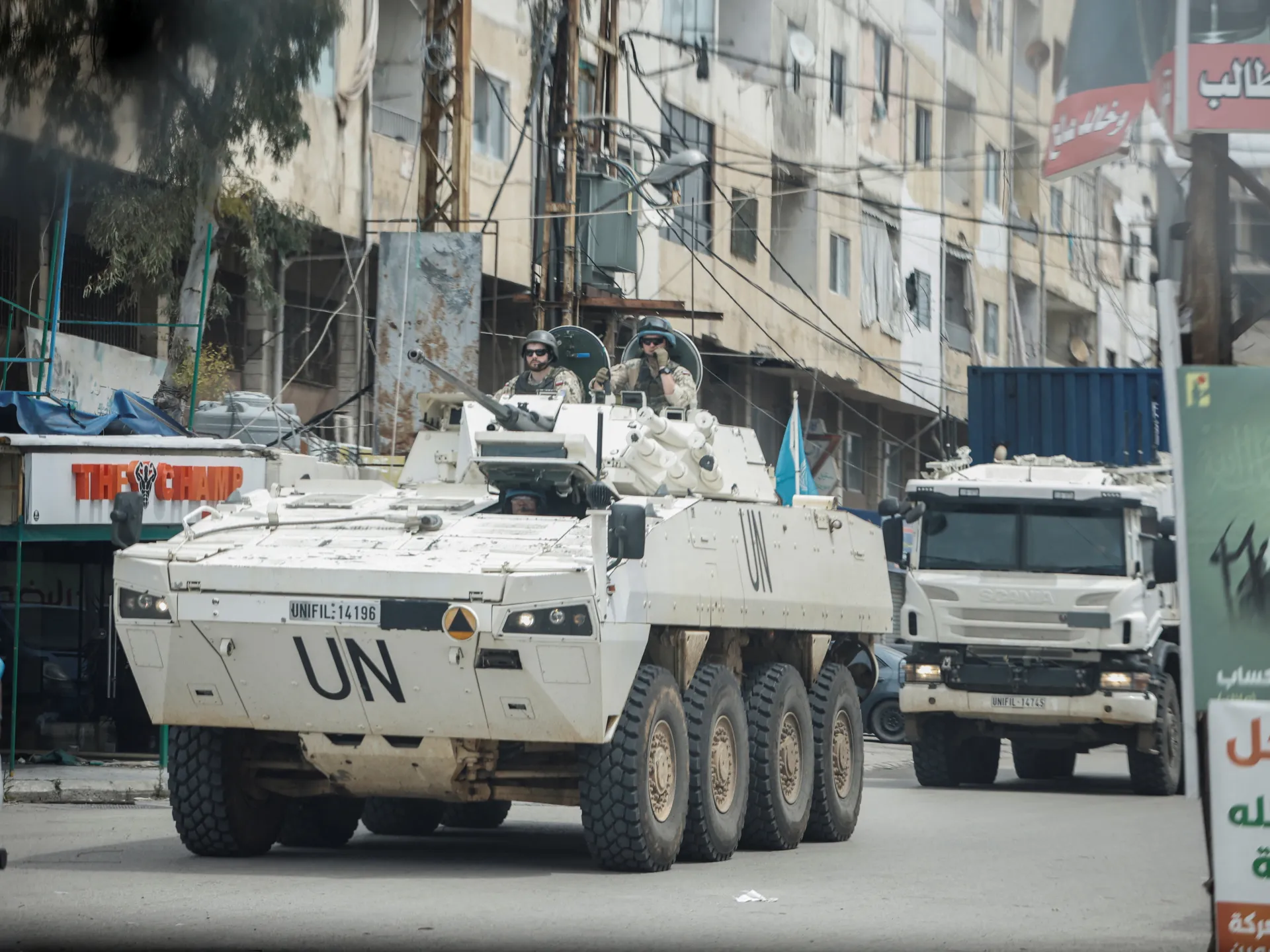

China’s call for a reassessment of the UN Security Council’s decision to wind down UNIFIL arrives at a critical juncture for Lebanon’s fiscal stability and the broader MENA investment climate. The ongoing hostilities have already forced over one million Lebanese to abandon homes, eroding the domestic tax base and prompting a steepening of sovereign spreads. With the UN contingent slated to shrink from 10,800 peacekeepers to zero by the end of 2026, Lebanon faces an imminent vacuum in security‑related logistics that historically underpinned the country’s reconstruction contracts and the procurement pipelines of local firms. The loss of multinational pay‑rolls and the suspension of UN‑backed infrastructure projects risk triggering a cascade of defaults on sovereign and municipal bonds, pressuring regional lenders such as the Arab Bank and Gulf sovereign wealth funds to re‑price exposure.
The security vacuum also threatens the nascent venture‑capital ecosystem that has begun to coalesce around Lebanon’s fintech and renewable‑energy start‑ups. International investors, notably from the UAE’s Mubadala and Saudi Arabia’s Public Investment Fund, have flagged the deteriorating risk‑adjusted returns, citing the heightened probability of supply‑chain disruptions and the loss of UN‑secured transit corridors for high‑value equipment. A prolonged ceasefire breakdown could compel start‑ups to pivot away from capital‑intensive sectors, stalling the pipeline of scale‑up opportunities that regional accelerators have cultivated over the past three years. Moreover, the erosion of confidence may deter cross‑border venture syndication, forcing entrepreneurs to seek alternative financing from domestic family offices that lack the depth to sustain growth.
From an infrastructure perspective, UNIFIL’s presence has been an implicit guarantee for a range of critical projects, from the reconstruction of southern road networks to the de‑mining of ports essential for Lebanon’s trade throughput. The anticipated withdrawal, combined with renewed Israeli bombardments, threatens to halt these works, inflating project timelines and cost overruns. Contractors from the Gulf and Europe, who have already earmarked billions of dollars for post‑conflict rebuilding, now face heightened political risk premiums and may demand sovereign guarantees or insurance coverages from entities such as MENA‑based multilateral development banks. The resulting delay could deprive the Lebanese economy of the projected $5 billion in annual GDP lift tied to infrastructure completion.
Regional policymakers and sovereign investors therefore have a narrow window to mitigate spill‑over effects. Accelerated diplomatic engagement to secure a durable ceasefire, coupled with a coordinated pledge from Gulf sovereign wealth funds to underwrite a contingency financing facility, could preserve both the security framework and the financial scaffolding supporting Lebanon’s recovery. Absent such intervention, the confluence of security degradation, sovereign debt stress, and venture‑capital retreat is poised to reshape the investment landscape across the Eastern Mediterranean, with reverberations felt throughout the MENA region’s growth trajectory.