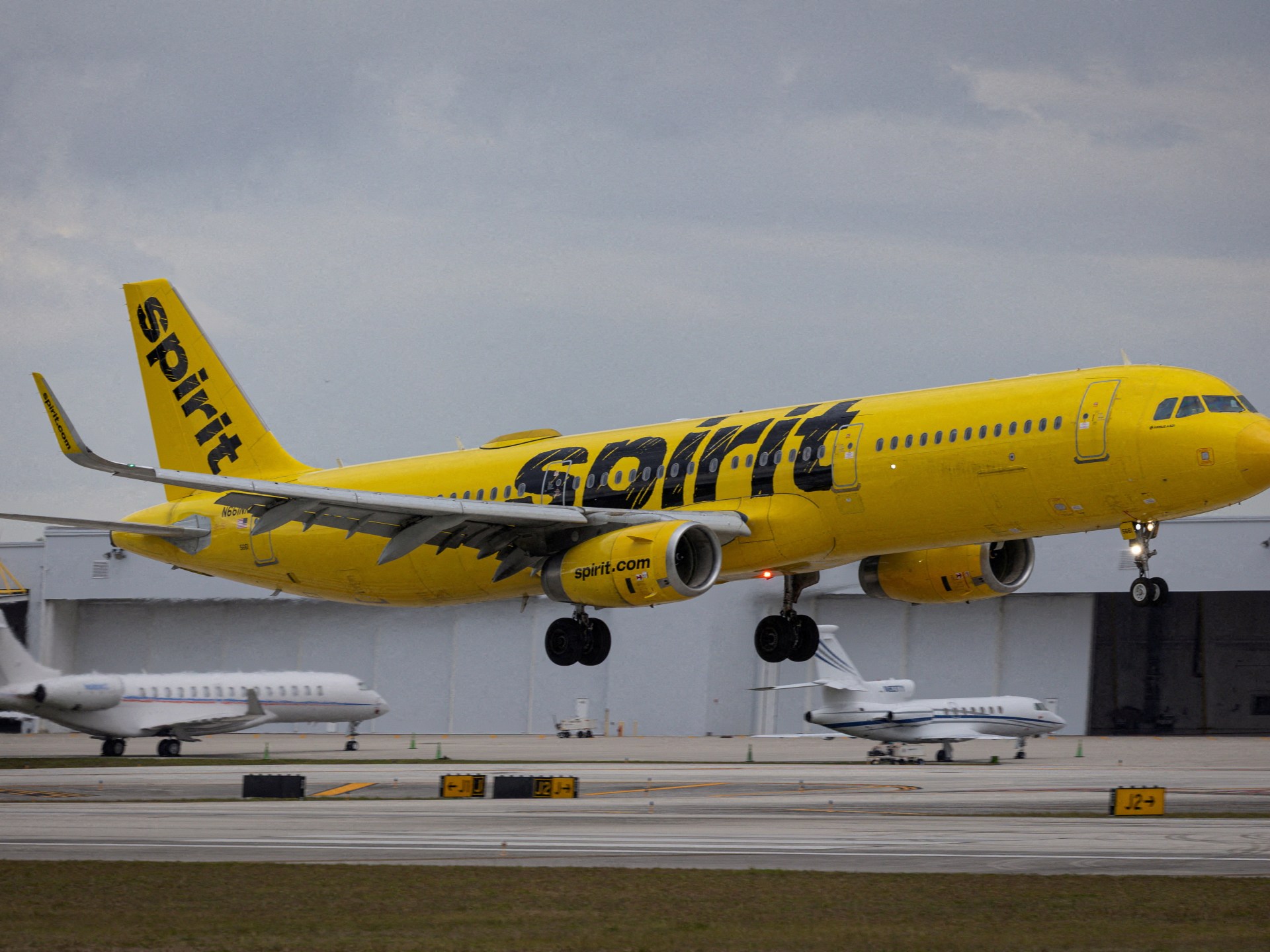

The abrupt liquidation of Spirit Airlines – once a 5 % mover in the U.S. domestic market – sends shockwaves far beyond North America, underscoring the systemic risk that volatile jet‑fuel prices pose to low‑cost carriers and, by extension, to the broader aviation ecosystem of the Middle East and North Africa. The carrier’s failure, precipitated by a spike in fuel costs to $4.51 per gallon amid the Iran‑triggered oil shock, eliminates over 12 000 jobs and strips a key price‑benchmark from the U.S. market, a reference point that Gulf airlines have traditionally used to calibrate fare structures and capacity planning. Regional flag carriers such as Emirates, Qatar Airways and Saudia will now confront a recalibrated competitive landscape in which ancillary revenue streams and premium pricing gain prominence, potentially eroding the cost‑leadership advantage that budget subsidiaries like Air Arabia and Flydubai have leveraged.
Sovereign wealth funds (SWFs) across the Gulf – notably the Abu Dhabi Investment Authority, Saudi Arabia’s Public Investment Fund and Qatar Investment Authority – are watching the Spirit debacle closely as a litmus test for the resilience of aviation‑related assets in a high‑fuel‑cost regime. Their active positioning in U.S. carrier equity, previously viewed as a diversification hedge, may now be re‑evaluated to mitigate exposure to fuel‑price volatility. Simultaneously, the episode accelerates discussions within the GCC about deepening regional fuel‑hedging mechanisms and investing in sustainable aviation fuel (SAF) production capacity, a strategic pivot that could insulate airlines from future geopolitical supply shocks while aligning with long‑term decarbonisation targets.
For venture capital and private‑equity stakeholders, the Spirit collapse redefines the risk‑reward calculus in the MENA airline and ancillary‑service sectors. Early‑stage investors in tech‑enabled low‑cost models – from AI‑driven yield management platforms to digital travel‑experience startups – must now factor heightened fuel‑price sensitivity into their due‑diligence frameworks. This could spur a surge in capital allocation toward alternative revenue generators, such as airport‑based logistics hubs, “pay‑as‑you‑fly” insurance products, and AI‑optimized route‑network redesigns that minimize fuel burn. Moreover, the vacuum left by Spirit may unlock acquisition opportunities for regional players seeking to expand their footprint into secondary U.S. markets, provided they secure sovereign backing or blended finance structures that can absorb the attendant cost pressures.
Infrastructure planners in the MENA region are also compelled to reassess airport capacity and ground‑handling capabilities in light of the potential redistribution of traffic flows. Airports that have historically catered to high‑volume, low‑fare traffic – for example Sharjah International and Muscat International – may experience a recalibration of slot allocations as carriers adjust network strategies to hedge against fuel volatility. Governments are likely to prioritize investments in resilient, multi‑modal transport corridors and digital air‑traffic‑management systems that enhance operational efficiency, thereby buffering the sector against future geopolitical disruptions. The Spirit episode thus serves as a catalyst for a broader strategic shift: from reliance on volatile commodity markets toward a more integrated, sovereign‑backed aviation infrastructure that can sustain growth under adverse macro‑economic conditions.