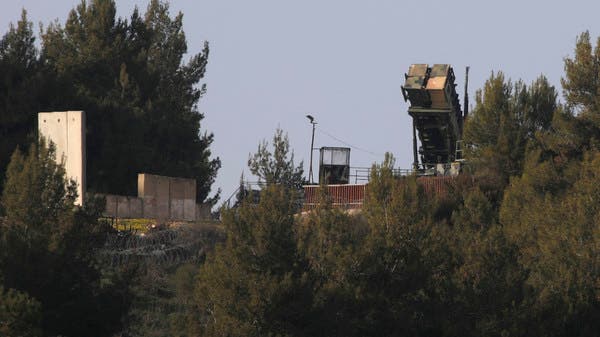

The United States has reaffirmed its strategic commitment to the Middle East and North Africa region through a suite of over $8.6 billion in military sales approved by the State Department. These authorizations, targeted at Israel, Qatar, Kuwait, and the United Arab Emirates, underscore the enduring security partnership between the US and its Gulf allies, particularly in light of the escalating tensions with Iran. The sales encompass critical defense systems including Patriot air and missile defense replenishment services for Qatar, Advanced Precision Kill Weapon Systems (APKWS) for multiple nations, and a sophisticated integrated battle command system for Kuwait. These acquisitions represent a significant investment in regional stability and military preparedness, bolstering capabilities essential for deterring Iranian aggression and maintaining a favorable security environment.
The business impact of these arms sales will reverberate throughout the global defense industry. BAE Systems, RTX, Lockheed Martin, and Northrop Grumman will see increased order backlogs and revenue growth, providing a substantial boost to their respective financial performance. Furthermore, the logistical complexities of supplying these advanced systems to geographically dispersed allies will drive innovation in supply chain management and global logistics – areas ripe for further investment within the defense technology sector. The regional infrastructure implications are also notable; the deployment of integrated battle command systems necessitates robust communication networks and data processing capabilities, potentially stimulating investment in telecommunications infrastructure within the recipient nations.
Beyond the immediate transactional aspects, these arms sales represent a form of sovereign capital deployment for the recipient states. Qatar’s acquisition of Patriot systems, for instance, will enhance its air defense posture, a crucial element in national security and economic resilience. Kuwait’s battle command system is designed to modernize its military operations, improving situational awareness and decision-making effectiveness. These investments are not merely defensive measures but are also contributing to the long-term modernization of national defense capabilities. This creates a virtuous cycle where increased security investment fosters economic growth and strengthens geopolitical influence.
Importantly, these transactions are intertwined with the evolving venture capital landscape in the MENA region. While defense-related venture capital is still nascent, the increased military spending is creating new opportunities for technology providers specializing in areas such as cybersecurity, data analytics, and artificial intelligence – all of which are increasingly vital for modern defense operations. The growth in regional infrastructure investment, driven by these arms sales and broader development initiatives, will also support the expansion of related tech hubs and create a more attractive environment for startups. The long-term implications are substantial, suggesting that the US-led arms sales will contribute to a more sophisticated and technologically advanced defense ecosystem across the Middle East and North Africa.