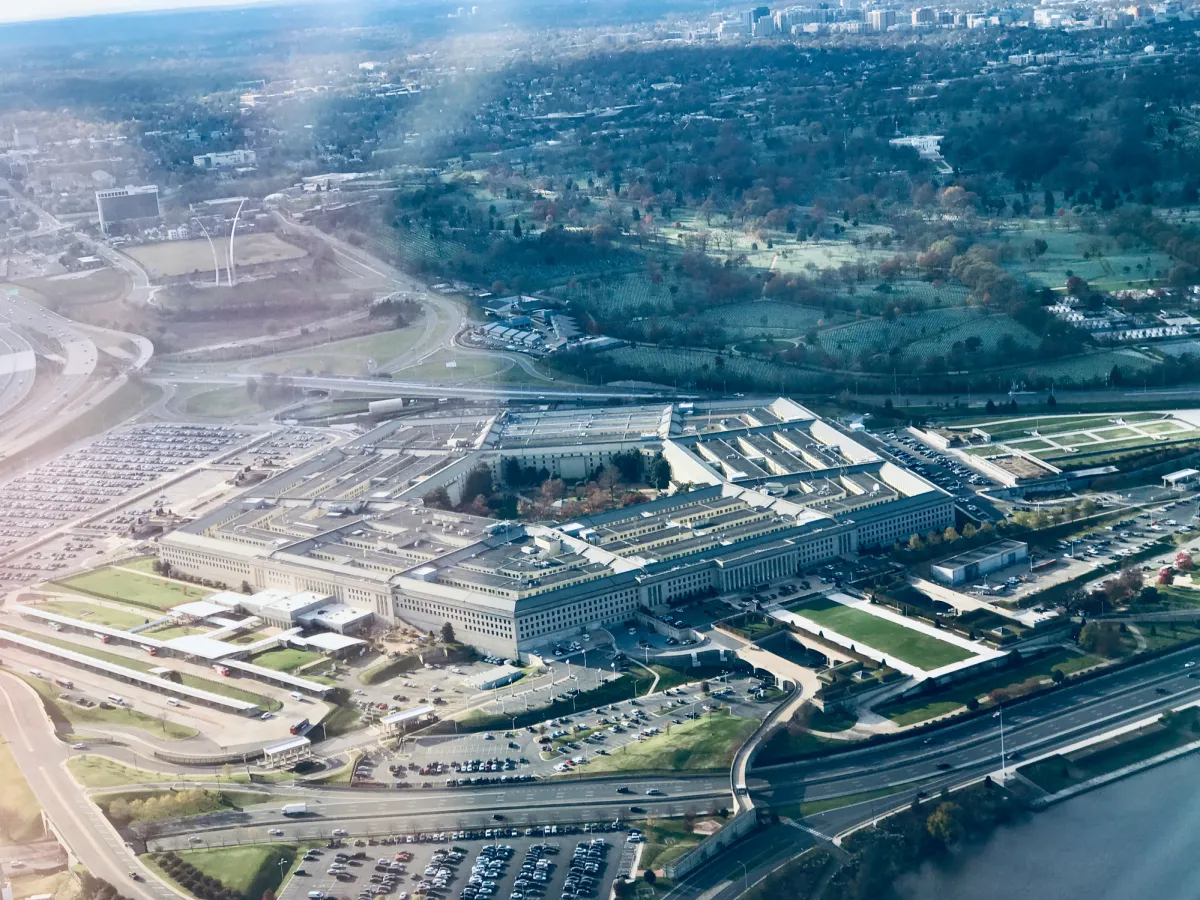

The United States Department of Defence’s recent tranche of AI contracts with Nvidia, Microsoft, Amazon Web Services and Reflection AI marks a watershed for defense‑grade cloud computing and generative‑AI deployment. By authorising these technologies on Impact Level 6 and 7 networks, the Pentagon signals an imminent scale‑up of AI‑driven analytics, decision‑support and autonomous systems across its 1.3 million‑strong user base. For MENA sovereign wealth funds and defence ministries, the precedent creates a clear demand pipeline for high‑security AI infra‑services, prompting regional investors to re‑allocate capital toward firms that can certify compliance with the strictest US classification regimes.
From a venture‑capital perspective, the diversification away from a single vendor—exemplified by the Pentagon’s fallout with Anthropic—underscores a strategic shift toward a multi‑sourced AI stack. This opens a niche for MENA‑based start‑ups capable of delivering specialised AI chips, secure model‑training pipelines or sandboxed AI‑as‑a‑service platforms that meet IL‑6/7 standards. Early‑stage funds linked to sovereign entities such as the Abu Dhabi Investment Authority or the Public Investment Fund are likely to intensify scouting and co‑investment in these niches, leveraging their deep pockets to capture market share before global incumbents cement their foothold.
Infrastructure implications are equally profound. The need to host classified workloads on resilient, low‑latency cloud environments will accelerate the construction of tier‑1 data centres across the Gulf and North Africa, where political stability and proximity to US bases (e.g., Al Udeid and Al Dhafra) provide a strategic advantage. Governments are expected to roll out dedicated “trusted” network segments, potentially in partnership with US cloud providers, to satisfy both security clearances and data‑sovereignty requirements—a development that could catalyse a new wave of public‑private techno‑strategic alliances.
Overall, the Pentagon’s AI procurement agenda signals a re‑orientation of defence‑technology supply chains that will reverberate throughout the MENA region. Sovereign capital is poised to flow into secure AI hardware, compliance tooling and next‑generation cloud infrastructure, while venture capital will chase the innovators who can navigate the intersection of cutting‑edge AI and stringent security protocols. The result will be a faster convergence of advanced analytics capabilities within regional militaries and enterprises, reshaping the competitive landscape of defence and technology across the Middle East and North Africa.