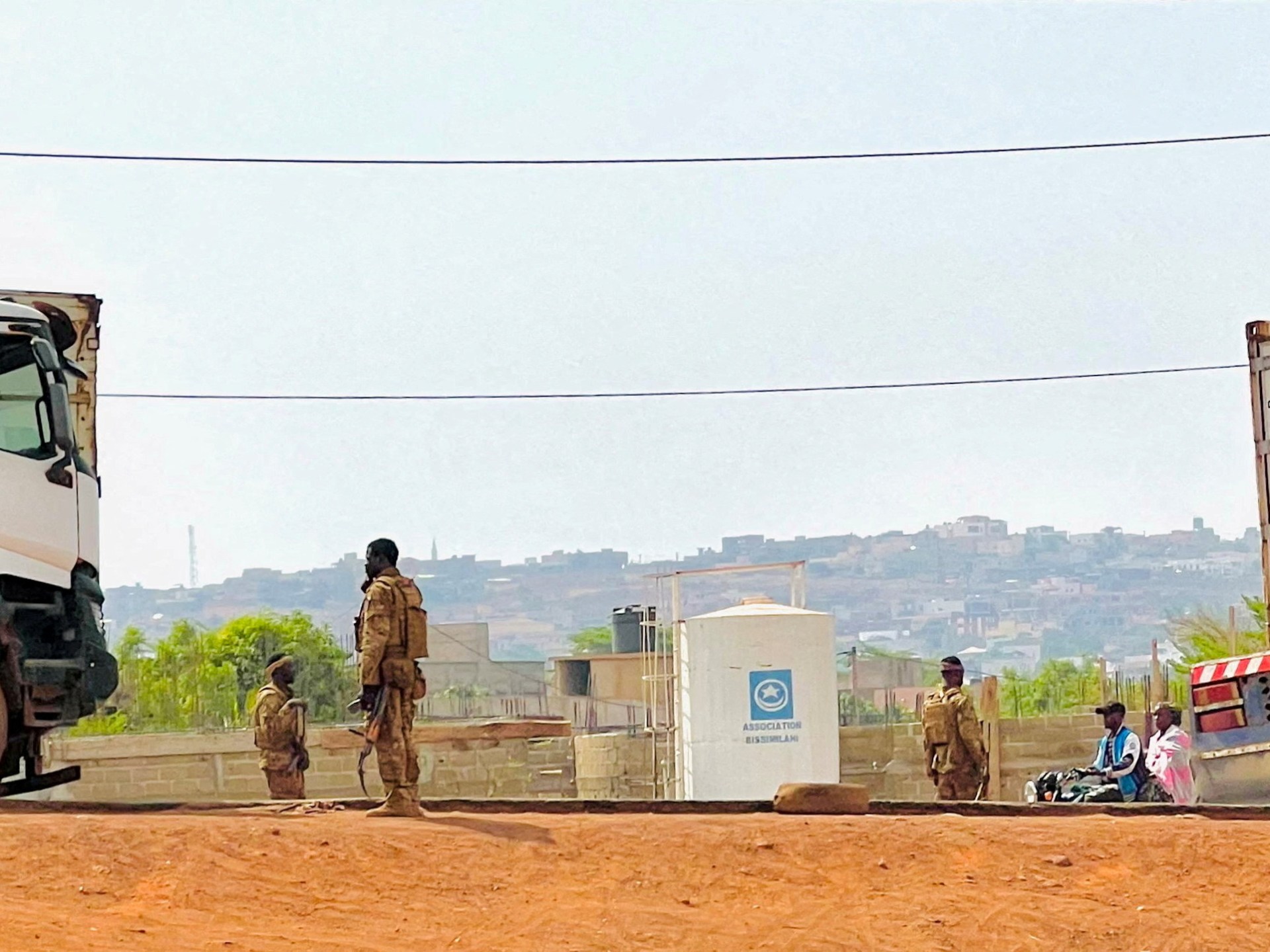

The recent coordinated attacks on Malian army bases, purportedly carried out by a confluence of al-Qaeda affiliates and Tuareg separatists, represent a significant destabilizing factor for the broader Middle East and North Africa (MENA) region. While geographically focused on the Sahel, this internal security crisis carries substantial implications for sovereign capital flows and regional infrastructure development. The weakening of the Malian government, already navigating the aftermath of multiple coups, directly impacts international investment in infrastructure projects crucial for economic diversification across the region. Existing projects, particularly those involving European and potentially Chinese financing for transport, energy, and digital connectivity initiatives, face heightened risk and potential delays.
The sovereign financial implications extend beyond immediate project risks. Increased instability in Mali can trigger a broader reassessment of investment strategies across the sub-region. Sovereign wealth funds, both within the MENA bloc and internationally, may become more risk-averse, potentially diverting capital away from projects in neighboring countries and towards perceived safer havens. The potential for spillover effects – including the empowerment of transnational terrorist organizations and increased migration flows – necessitates a proactive and coordinated regional financial response. This could involve enhanced risk mitigation strategies, closer monitoring of financial flows, and potentially the establishment of regional stabilization funds to support vulnerable states.
Furthermore, the situation underscores the critical need for robust regional security frameworks. The demonstrated capacity of armed groups to challenge state authority has profound implications for venture capital and private sector development. Businesses operating in or investing in the Sahel face escalating operational risks, potentially hindering cross-border trade and investment linkages that are vital for regional economic integration. A protracted period of instability could also impede the development of essential regional infrastructure corridors, such as those envisioned under initiatives like the Pan-African Highway Network, thereby limiting economic opportunities and exacerbating existing developmental gaps. The focus for both regional and international actors should shift towards supporting inclusive governance, strengthening security capacity, and fostering sustainable economic alternatives to recruitment by militant groups.
The potential for further territorial gains by these groups also poses a direct threat to the integrity of regional supply chains and energy transit routes. The long-term ramifications for MENA’s energy security, particularly considering existing efforts to diversify energy sources, are considerable. Addressing this crisis effectively requires not only military and security responses but also a comprehensive approach encompassing economic development, political inclusion, and regional cooperation. Failure to do so risks a wider destabilization of the Sahel and a ripple effect across the MENA region, undermining long-term economic prosperity and regional stability.