
Saudi Arabia’s mineral sector has evolved from a peripheral asset into a sovereign strategic pillar under Vision 2030, mobilizing over $2.5 trillion in untapped resources to reshape regional capital allocation, industrial architecture, and global supply chain positioning. With 61 new mining licenses issued in 2025 — more than triple the prior year’s total — and investment exceeding SR44 billion, the Kingdom is accelerating its transition from raw commodity exporter to integrated minerals producer. Foreign capital now accounts for two-thirds of participants, signaling deep institutional confidence in regulatory reforms, legal certainty, and the long-term viability of Saudi-led industrial clusters. The sector’s GDP contribution surged to SR136 billion ($36.7 billion) in 2024, establishing mining as the third pillar of the economy alongside oil and petrochemicals, with strategic outputs in gold, aluminum, and phosphate already exceeding global benchmarks.
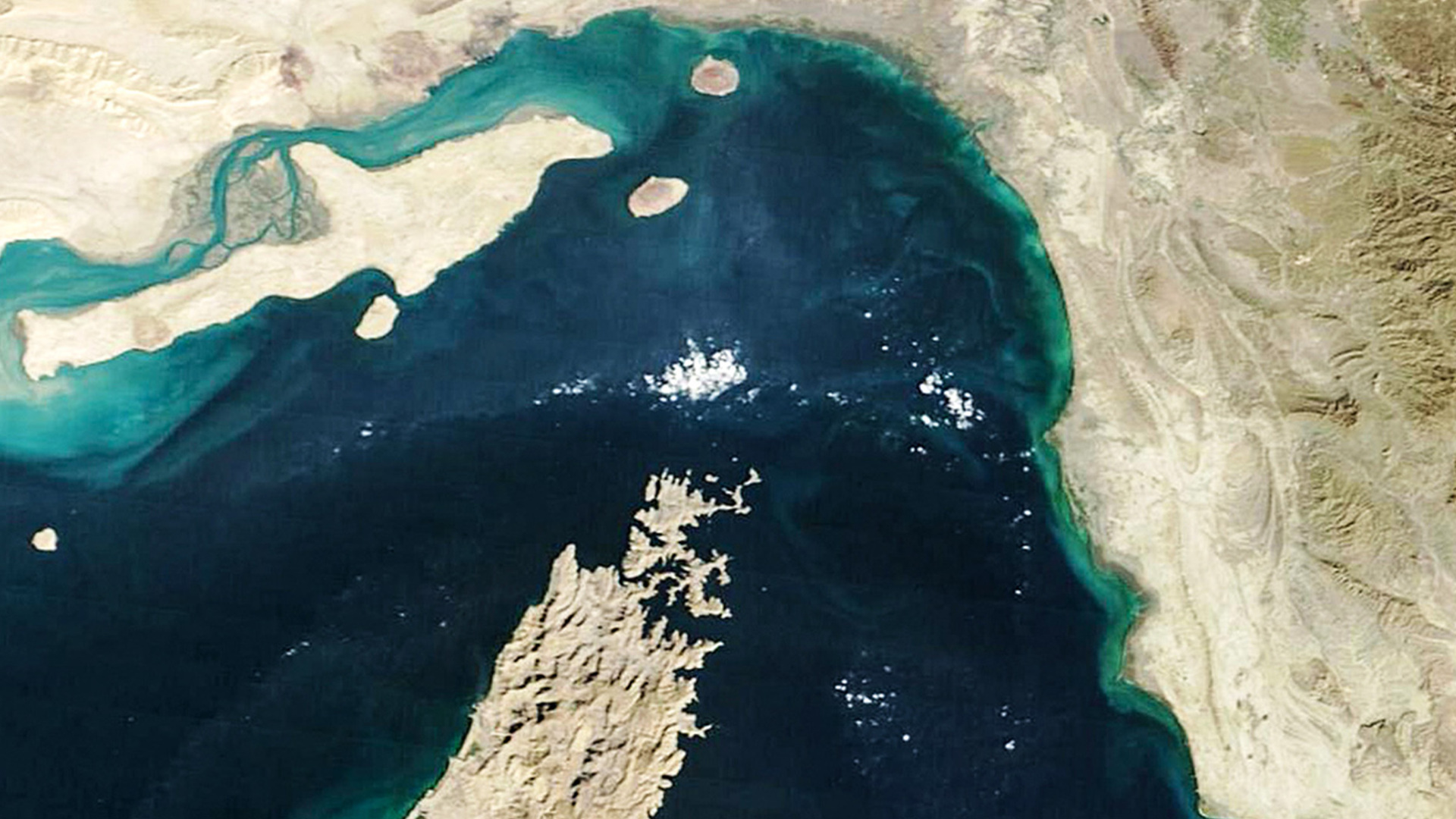
The institutionalization of integrated industrial clusters at Ras Al-Khair and Wa’ad Al-Shamal — backed by SR250 billion in planned capital expenditures and over 1,300 new industrial licenses — is redefining midstream competitiveness across the MENA region. By co-locating extraction, refining, and value-added manufacturing, Saudi Arabia has achieved double-digit reductions in logistics costs, creating a replicable model for resource-rich economies. Critical mineral development — particularly in lithium, nickel, copper, and rare earth elements — is being prioritized not merely for domestic industrialization but as a lever of geopolitical influence, directly countering supply chain vulnerabilities highlighted by the IEA. The Kingdom’s geographic positioning between the Red Sea and the Gulf facilitates de-risked access to Asian, African, and European markets, while sovereign funds and PIF-backed ventures are actively syndicating investments with global players such as MP Materials, Alcoa, and Barrick Gold to secure technology transfer and joint IP development.
Yet, the tactical advantages of infrastructure and capital deployment are unraveled without commensurate advancement in human capital and innovation ecosystems. While the 2026 Mining Skills Framework standardizes workforce competencies and digital mining technologies are being scaled, persistent gaps in high-end R&D, industry-academia collaboration, and localized innovation infrastructure threaten long-term autonomy. Musk’s @furnace and Saudi tech accelerators remain nascent; no domestic critical minerals lab rivals those in Australia or Germany. To transition from price-taker to technology-shaper, Saudi Arabia must urgently institutionalize deep-tech incubators, fund applied research in mineral processing and green extraction, and embed ESG compliance not as a compliance layer but as a competitive differentiator. The goal is not merely to supply the energy transition — but to architect its next-generation supply chains, transforming sovereign mineral wealth into terminal industrial sovereignty.