
Abu Dhabi and Qatar have retained their sovereign credit ratings at AA, signaling the resilience of Gulf sovereign wealth buffers against an escalating regional conflict that has now entered its tenth week. Fitch Ratings affirmed Abu Dhabi’s long-term foreign-currency issuer default rating at AA, emphasizing the emirate’s “very strong fiscal and external metrics” that provide critical insulation against geopolitical shocks. Simultaneously, S&P Global Ratings maintained Qatar’s AA long and short-term foreign and local currency sovereign credit ratings, underscoring the emirate’s sizeable accumulated fiscal and external assets. These assessments carry profound implications for sovereign capital deployment, as investment-grade designations preserve access to international capital markets at preferential borrowing costs—essential liquidity lines as regional governments navigate unprecedented uncertainty.
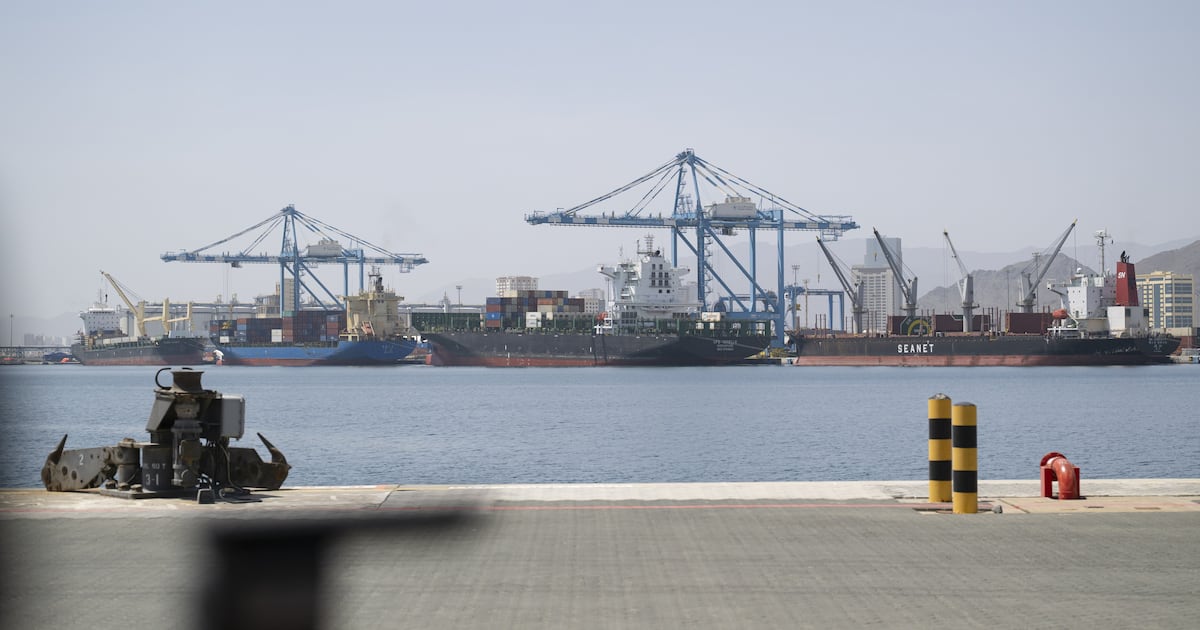
Abu Dhabi’s oil export infrastructure has proven remarkably resilient amid the Iran crisis, with crude shipments through the Port of Fujairah effectively compensating for disruptions to traditional Hormuz transit routes. Fitch analysts noted that the emirate’s concentration in crude oil—rather than downstream refined products or liquefied natural gas—renders its export architecture “less vulnerable to long-term damage” than more specialized facilities. However, the agency projects Abu Dhabi’s economy to contract approximately 1 percent in 2026, with both oil and non-oil activity contracting, though non-oil sectors are expected to recover more rapidly in subsequent years. The banking sector remains robust, providing a stabilizing anchor for broader financial stability.
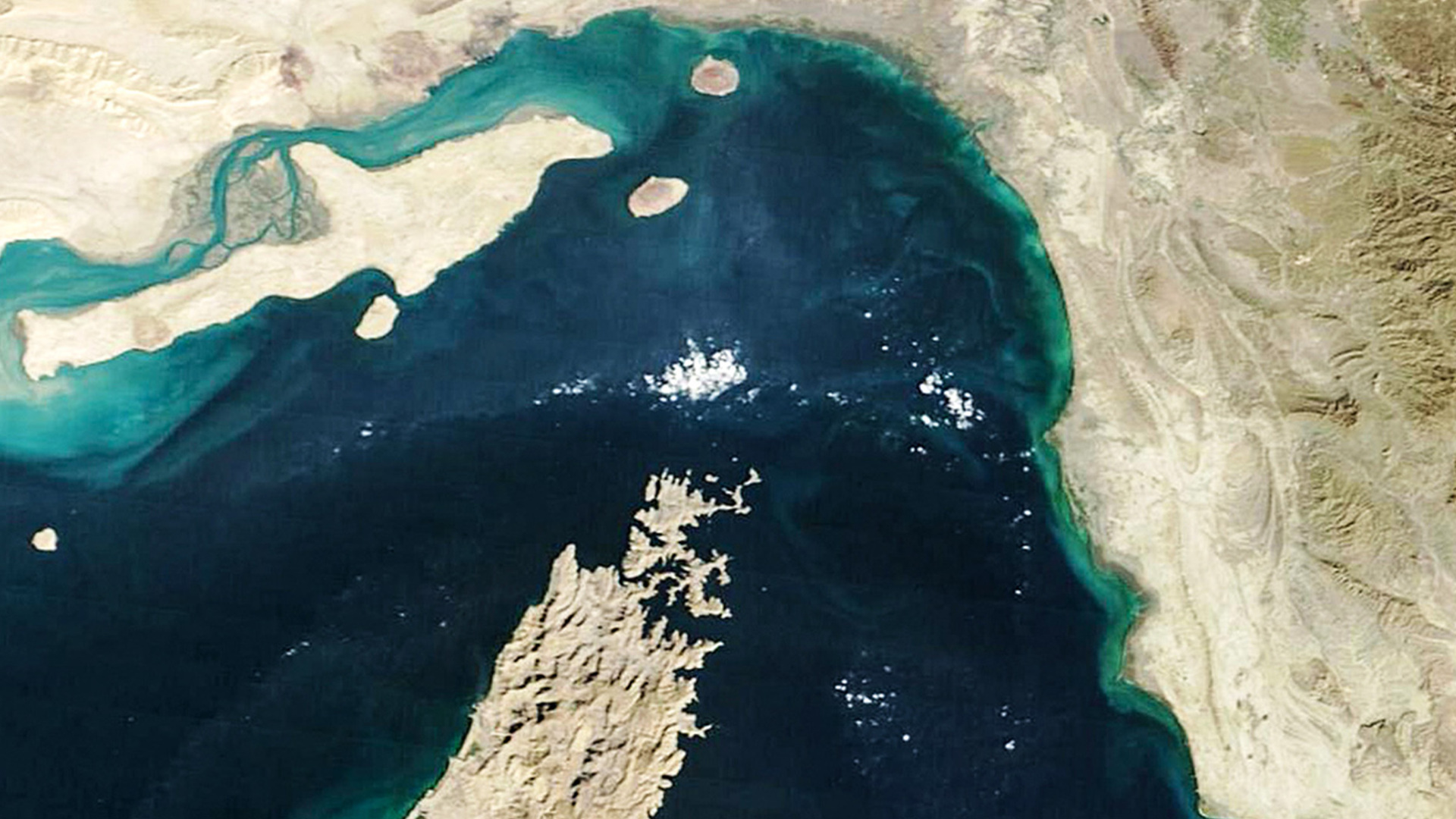
Qatar faces more acute near-term headwinds. Iranian attacks at the conflict’s peak forced QatarEnergy—supplying roughly one-fifth of global LNG—to declare force majeure, with approximately 90 percent of Qatari exports traversing the contested Strait of Hormuz. S&P projects the Qatari economy will contract by approximately 5 percent in 2026, reflecting LNG production shutdowns and spillover effects into trade, manufacturing, and hospitality sectors. Yet the emirate’s substantial liquid asset reserves provide a formidable buffer. “Large stock of accumulated liquid assets should help it weather the impact of the regional conflict,” S&P analysts noted, forecasting a GDP growth rebound to 4.8 percent average through 2029 as new gas production comes online in 2027.
The broader regional infrastructure calculus has shifted decisively. Gulf states are now conducting continuous assessments of US-Iran escalation pathways, with the World Bank warning that Middle Eastern economic growth will slow to 1.8 percent this year with potential long-term “scarring” effects. For Abu Dhabi, the credit profile remains vulnerable to any escalation that further disrupts exports or damages energy infrastructure. More fundamentally, Fitch cautioned that “a more lasting and structural deterioration in the regional security environment would challenge economic diversification, non-oil growth and, potentially, the sovereign balance sheet.” The strategic imperative for Gulf sovereign wealth funds now centers on accelerating domestic value addition and supply chain diversification while preserving sufficient liquidity buffers to weather prolonged regional instability—a delicate balancing act that will define the next decade of MENA economic policy.