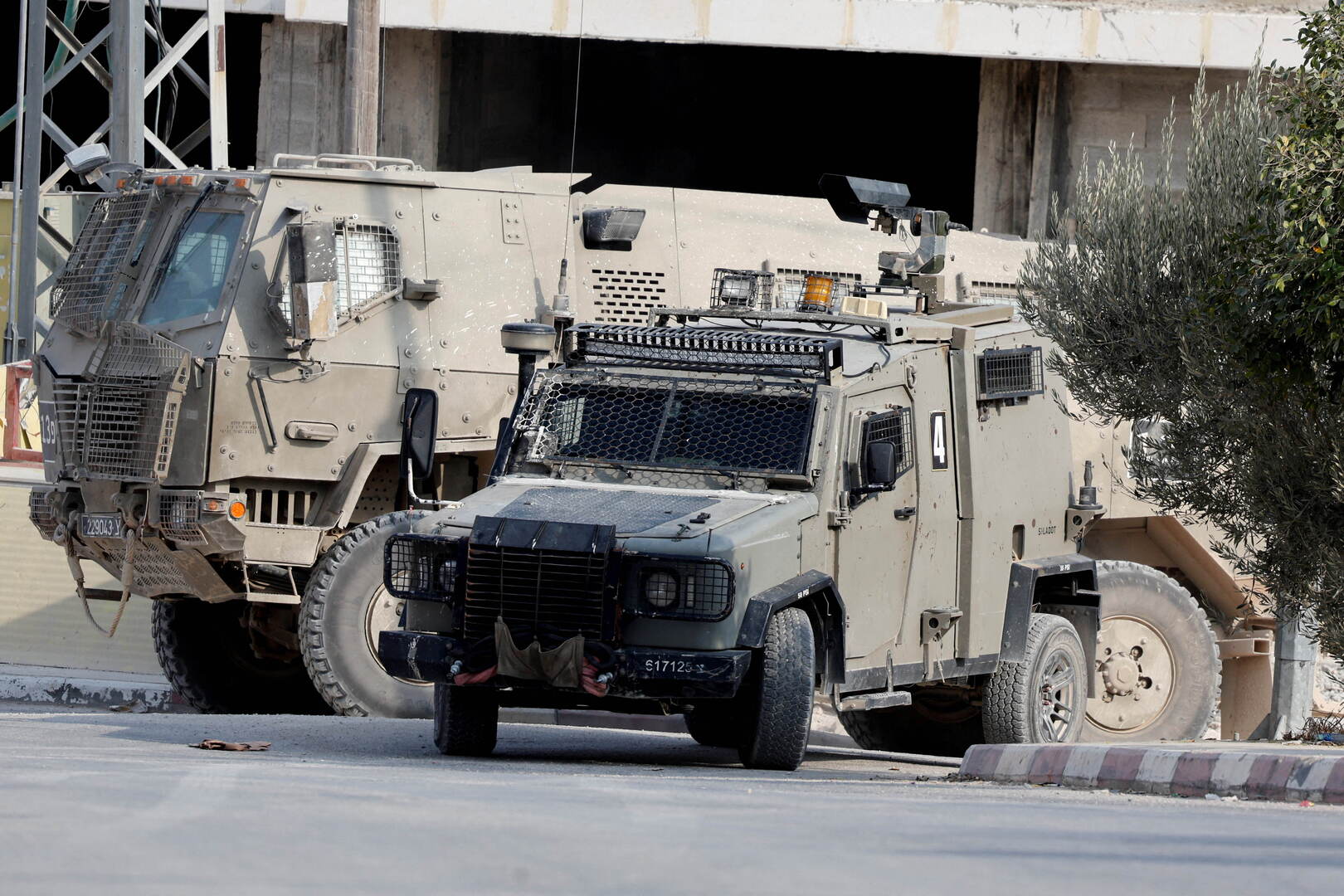

Therecent Israeli military operation in Nablus, resulting in lethal force against a 26‑year‑old Palestinian and multiple injuries, underscores persisting volatility in the West Bank. For regional investors, this incident reinforces the geopolitical risk premium embedded in sovereign and corporate debt analyses, prompting reassessment of exposure to entities with operational links to the territories.
Middle Eastern sovereign wealth funds are likely to re‑calibrate asset allocations, increasing weightings in low‑beta, domestically anchored assets while monitoring spill‑over effects on regional bond yields. The heightened security calculus may drive tighter credit spreads for issuers with exposure to conflict‑prone zones, influencing cost‑of‑capital assessments across the Levant and Eastern Mediterranean corridors.
Venture capital ecosystems, particularly in emerging hubs such as Dubai, Abu Dhabi, and Riyadh, could experience funding tightening as limited partners reassess risk exposure linked to the broader Middle East narrative. Capital inflows may pivot toward technology segments with resilient demand profiles—cybersecurity, fintech, and healthtech—while infrastructure‑intensive projects tied to logistics corridors may face delayed financing windows.
Infrastructure investments, especially those tied to cross‑border connectivity and smart‑city initiatives, must now navigate an amplified security environment. Sovereign‑backed megaprojects are likely to incorporate enhanced risk‑mitigation frameworks, including dedicated contingency reserves and localized security protocols, to preserve fiscal credibility and ensure uninterrupted rollout schedules across the MENA region.