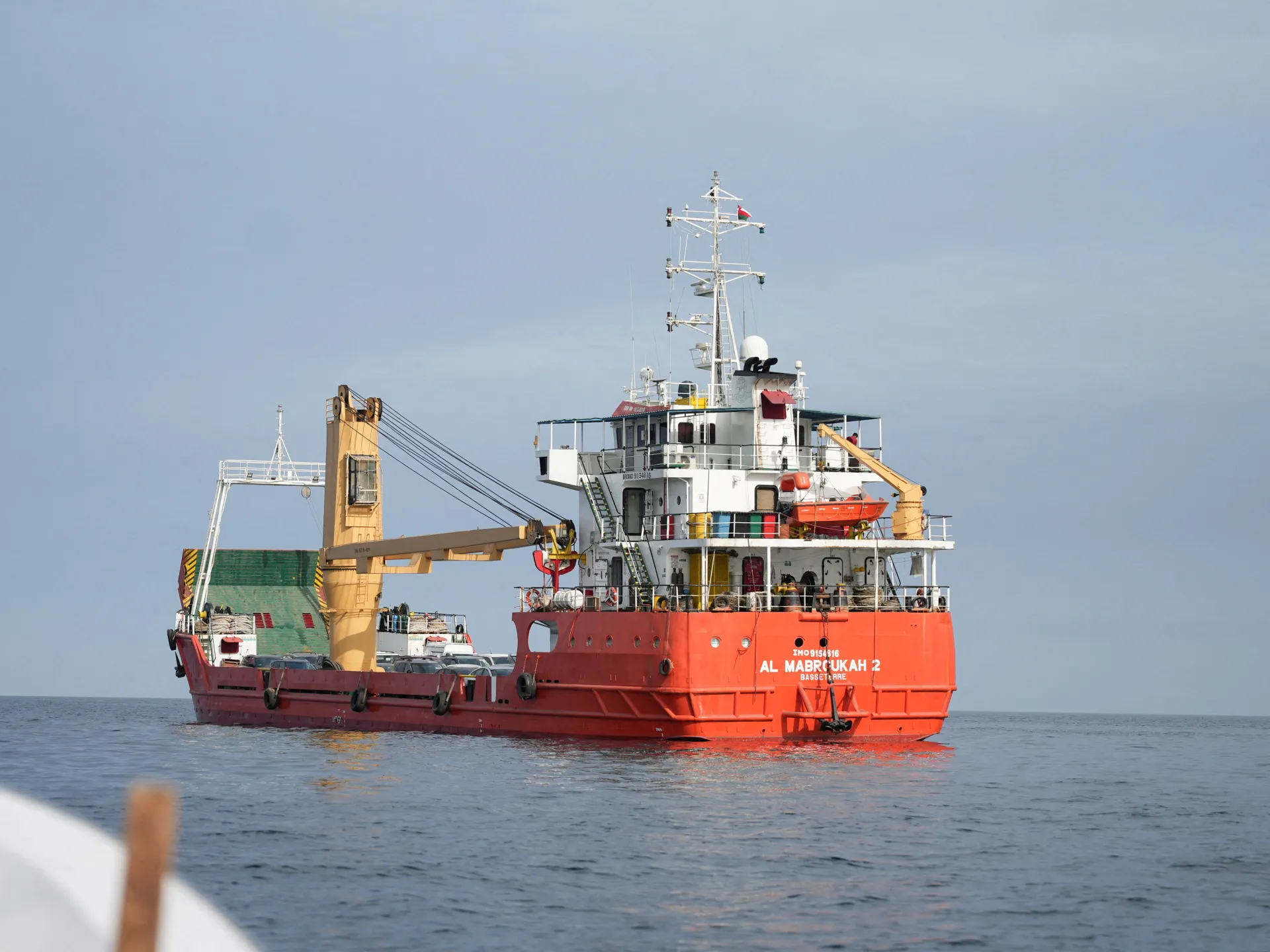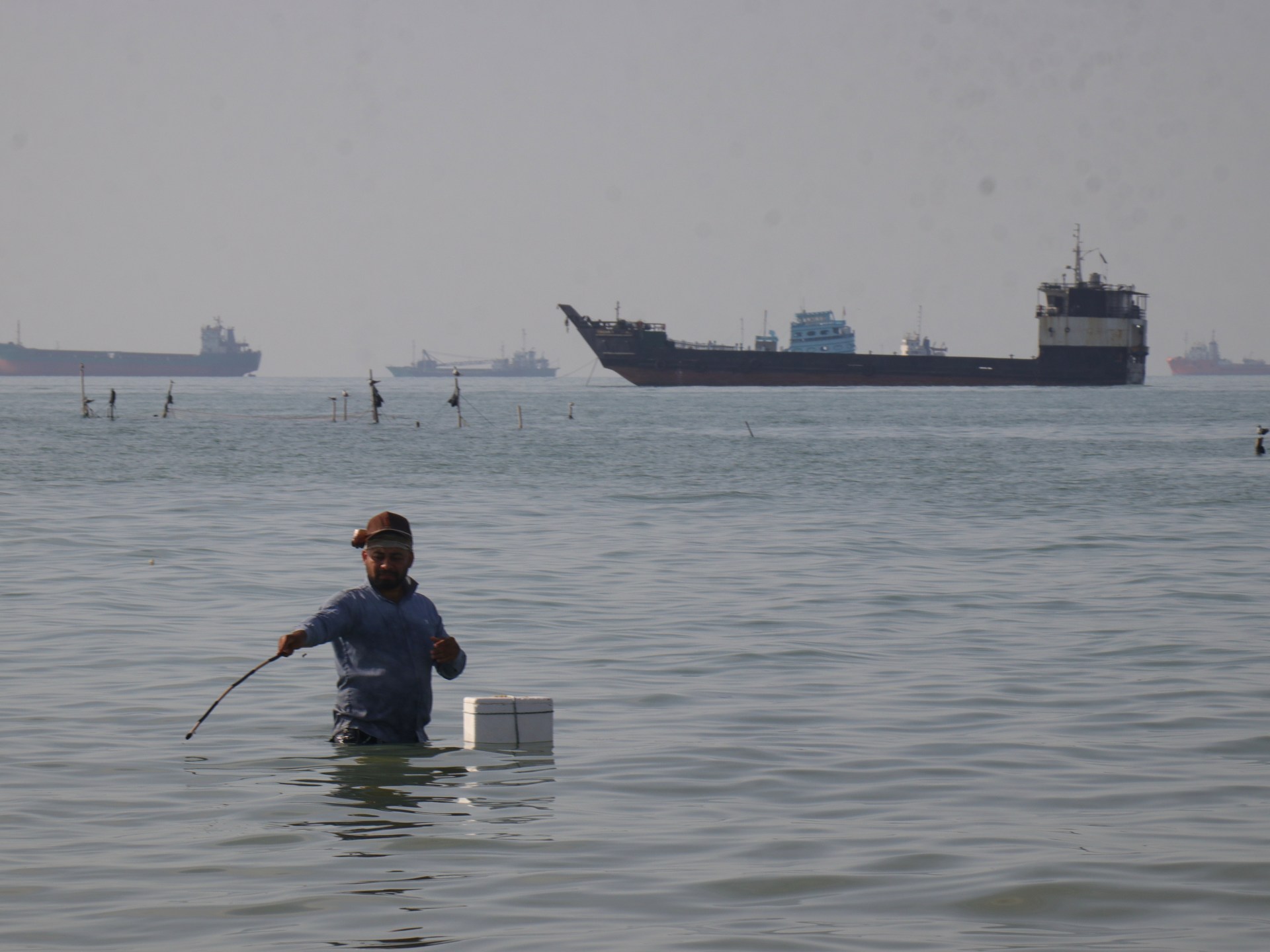

The announcement of “Project Freedom,” the Trump administration’s initiative to deploy naval assets for escorting commercial vessels through the Strait of Hormuz, has sent ripples through regional capital markets and energy trading infrastructure. The move, framed as a response to Iranian interference with maritime commerce, directly threatens the strategic equilibrium that has governed Gulf navigation for decades. Sovereign wealth funds across the GCC, which collectively manage over $3.5 trillion in assets, now face acute exposure to potential disruption in one of the world’s most critical chokepoints for oil shipments.
From a financial markets perspective, the implications are profound. Regional stock exchanges in Dubai, Abu Dhabi, and Riyadh have already begun pricing in risk premiums, with shipping and logistics sectors experiencing marked volatility. The Saudi Public Investment Fund and Abu Dhabi Investment Authority, both major stakeholders in port infrastructure and maritime services, must recalculate portfolio exposures. Insurance premiums for vessels transiting the Strait have surged, directly impacting the cost structure of regional oil exports that underpin GCC fiscal revenues.
The venture capital ecosystem, particularly in Dubai and Bahrain’s fintech hubs, stands to benefit from this geopolitical escalation. Maritime tracking technologies, blockchain-based trade documentation, and alternative routing platforms are poised for accelerated investment. Regional venture funds have begun redirecting capital toward supply chain resilience technologies, creating opportunities for startups addressing the operational challenges of increased naval presence and potential Iranian counter-measures.
Infrastructure implications extend beyond immediate shipping concerns. Qatar’s LNG export infrastructure, which relies heavily on Hormuz transit for Asian markets, faces renewed strategic vulnerability. This catalyzes existing regional discussions about alternative pipeline routes and LNG facility expansion in Oman and UAE. Sovereign states will likely accelerate diversification of export pathways, with downstream implications for capital expenditure programs in port development and coastal infrastructure across the northern Gulf.