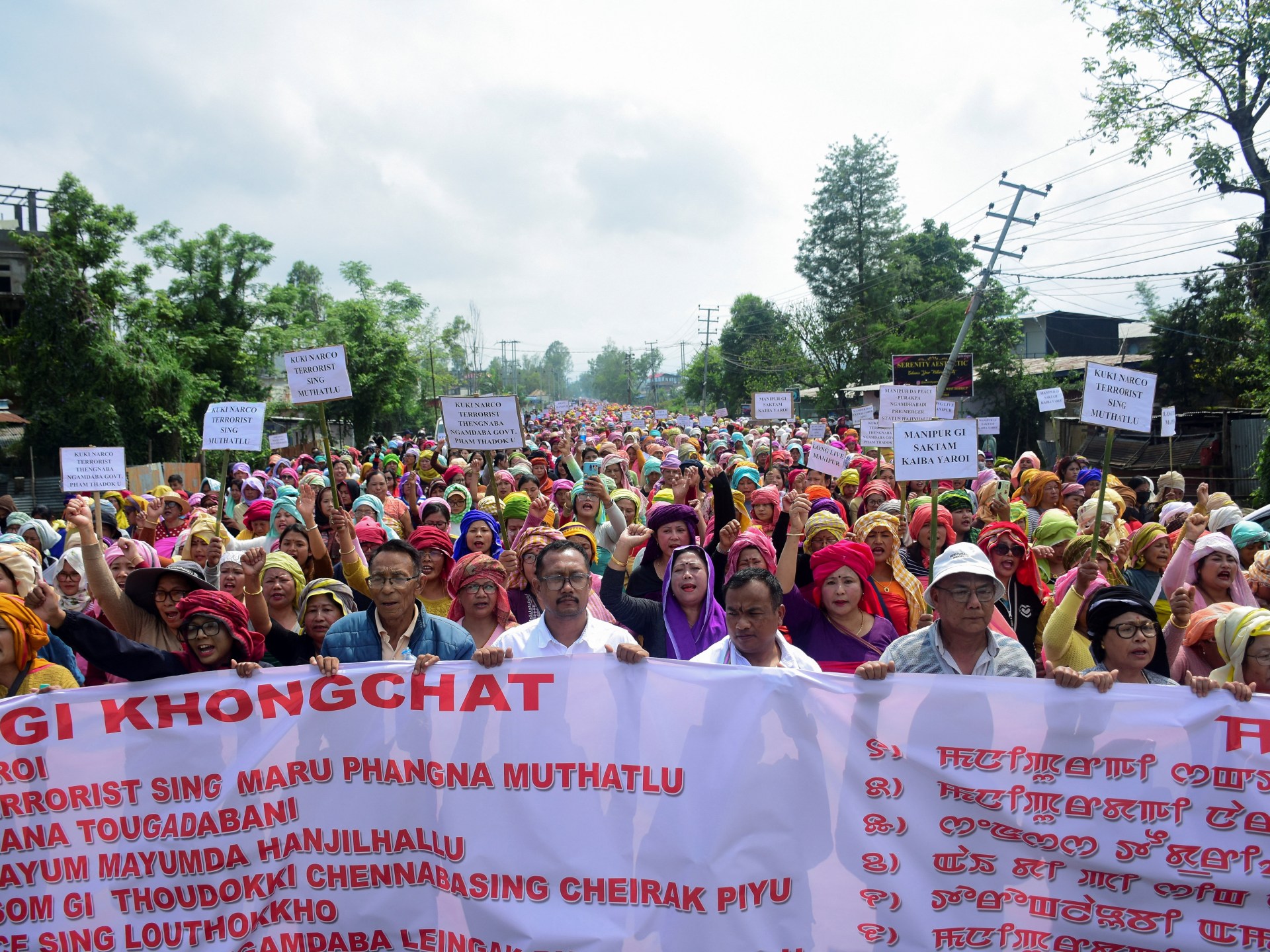

The prolonged ethnic conflict in Manipur underscores a critical vulnerability in regions where socioeconomic instability intersects with geopolitical fragmentation. For the Middle East and North Africa (MENA), this serves as a stark reminder that sovereign capital, a cornerstone of regional economic resilience, is increasingly at risk amid cross-border or domestic unrest. The diversion of resources toward conflict mitigation—whether through security spending or displacement management—could strain MENA’s sovereign wealth funds, which are already under pressure to diversify amid global interest rate volatility. Venture capital (VC) ecosystems in MENA, reliant on stable investment climates to attract tech and innovation-driven startups, face a dilution of appetite as uncertainty spreads. The Manipur scenario, while geographically distinct, highlights how unresolved ethnic or political tensions can ripple into broader economic disengagement, potentially reducing inflows to MENA’s growing VC markets and diverting sovereign resources toward stabilization rather than development.
Regional infrastructure development in MENA is inherently linked to political and social stability—a lesson drawn from the manpower and logistical challenges observed in Manipur. Large-scale infrastructure projects, critical for MENA’s economic diversification strategies (e.g., UAE’s NEOM, Saudi Arabia’s Red Sea investments), require decades of planning and uninterrupted execution. Prolonged conflict, even in neighboring regions, may delay cross-border initiatives or amplify domestic security concerns, diverting public and private sector focus. Sovereign capital, which often backs infrastructure via state-backed bonds or development loans, could face increased default risks in unstable environments. Additionally, the MENA region’s push for digital infrastructure faces similar headwinds: cybersecurity threats may escalate amid regional instability, raising costs and eroding investor confidence in projects reliant on secure, interconnected systems.
The broader implication for MENA is the necessity of preemptive fiscal and policy frameworks to insulate sovereign capital and VC ecosystems from external shocks. The Manipur conflict, though regionalized, exemplifies how frozen conflict zones can deter global capital flows and fragment investment narratives. For MENA, this demands a recalibration of risk-mitigation strategies—prioritizing de-escalation in volatile areas, bolstering regional cooperation to avert spillover effects, and ensuring infrastructure investments align with geopolitical realities. Failure to do so could perpetuate a cycle where short-term security expenditures crowd out long-term economic growth, undermining the region’s ability to leverage its strategic position in global finance and technology markets. The stakes for sovereign capital, VC dynamism, and infrastructural progress are disproportionately high, demanding institutional rigor rather than reactive measures.