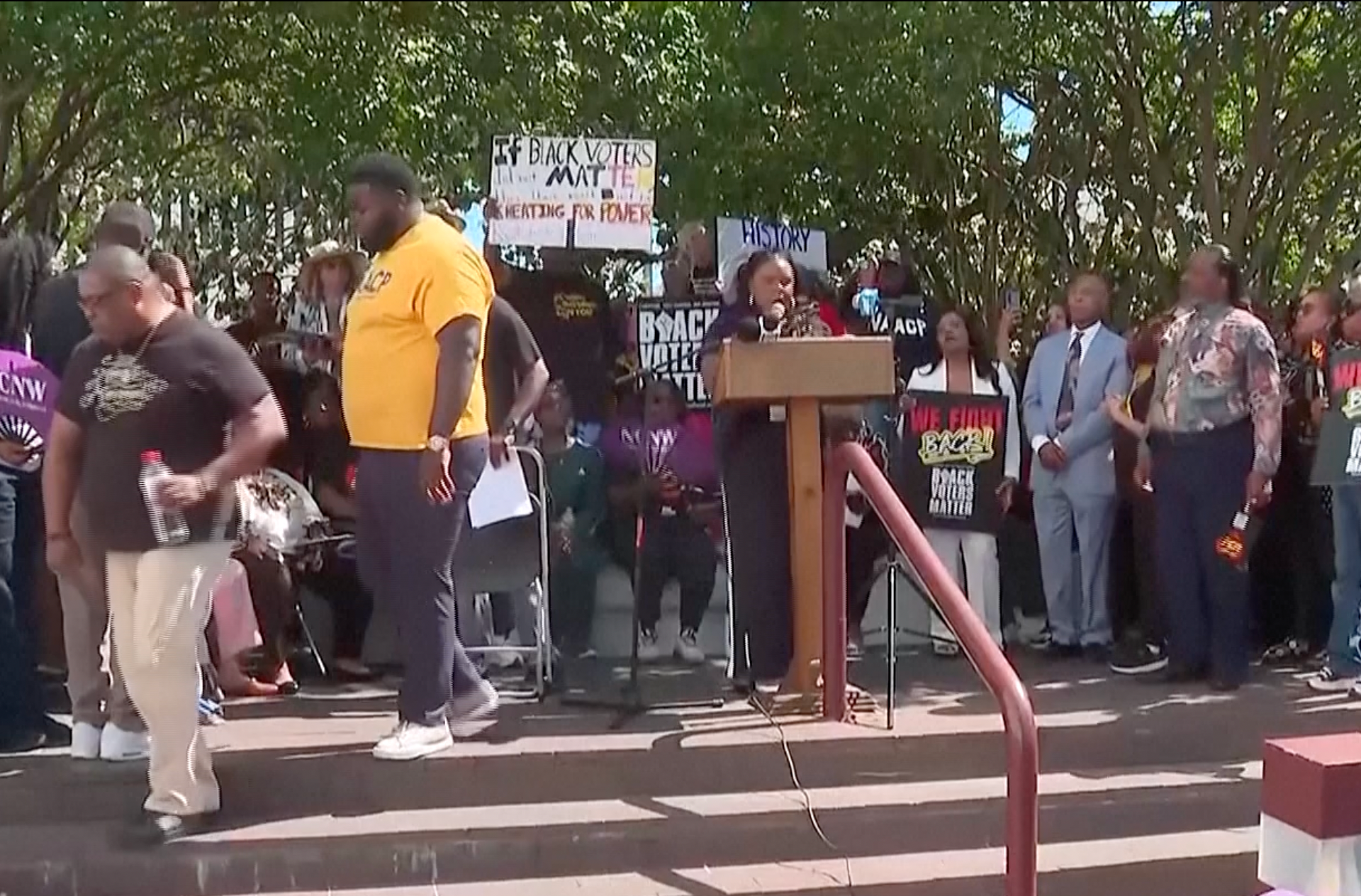

Alabama’s redistricting crisis underscores a broader deterioration in governance standards that reverberates far beyond domestic politics, directly impacting sovereign capital allocation strategies across emerging markets. The weakening of federal voting protections amid partisan gridlock creates a volatile precedent for institutional investors evaluating political risk in resource-rich economies from Saudi Arabia to the UAE, where governance frameworks increasingly determine sovereign fund performance and foreign direct investment inflows. MENA sovereign wealth funds, collectively managing over $3 trillion in assets, are likely reassessing exposure to jurisdictions where electoral integrity may be subject to partisan manipulation, potentially redirecting capital toward more predictable regulatory environments.
This governance uncertainty arrives as MENA economies aggressively pursue venture capital diversification to reduce hydrocarbon dependency, with regional VC funding reaching $4.8 billion in 2025 across 420 deals despite global headwinds. However, such investments require stable legal frameworks to protect minority shareholder interests and ensure transparent dispute resolution mechanisms. The Alabama precedent suggests that even established democracies struggle with institutional coherence when partisan pressures intensify, raising questions about investment security in jurisdictions where legal protections may prove ephemeral. Regional policymakers from Cairo to Muscat are taking note, with several Gulf states accelerating judicial reform initiatives to reassure venture capital funds hesitant to deploy capital in politically unstable environments.
The infrastructure implications are equally consequential for MENA’s economic transformation agenda. Regional integration projects worth $200 billion in planned investments—from Saudi Arabia’s Neom city to UAE rail networks—require uninterrupted political consensus to secure long-term financing and operational continuity. Electoral volatility anywhere in the democratic world signals potential disruption vectors that sophisticated investors now factor into infrastructure valuation models. Sovereign funds are increasingly demanding explicit political risk insurance and robust governance indemnification clauses in MENA infrastructure partnerships, adding financing costs while extending deal structuring timelines.
Consequently, the Alabama standoff crystallizes a fundamental shift in global capital allocation: institutional investors now price in governance volatility as a permanent premium rather than an aberration. MENA policymakers seeking to attract sovereign capital and venture funding must demonstrate institutional resilience that transcends electoral cycles, implementing legal frameworks that preserve investor protections regardless of partisan turnover. The region’s ability to modernize its economic architecture while maintaining political stability will ultimately determine whether it captures the next wave of global capital seeking refuge from democratic backsliding elsewhere.