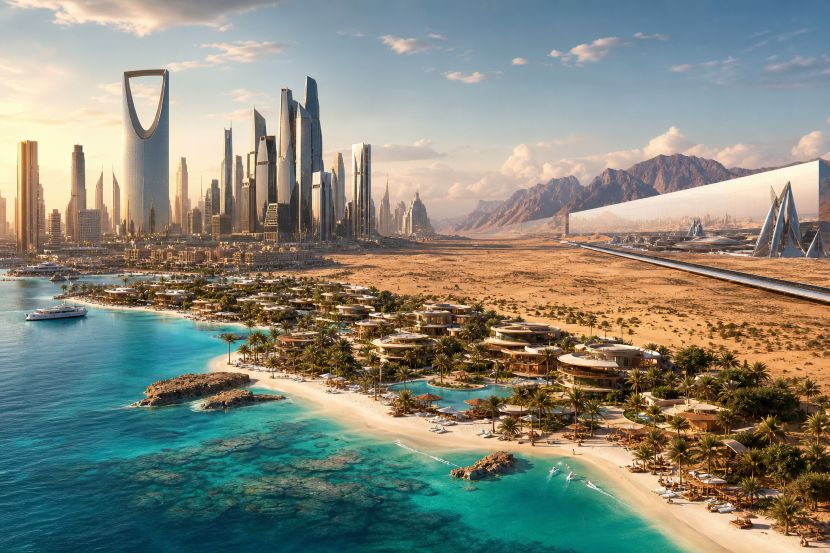

Saudi Arabia’s Vision 2030 has entered a decisive operational phase, with the Kingdom now delivering quantifiable results that fundamentally challenge conventional assumptions about the region’s economic trajectory. The 2025 performance data reveals a structural transformation far exceeding initial projections: GDP reached approximately US$1.31 trillion, with non-oil sectors contributing 55 percent of total output—a figure that represents a decisive break from the hydrocarbon-dependent model that has defined the Saudi economy for decades. The non-oil economy expanded at 4.9 percent year-on-year, outpacing overall GDP growth of 4.5 percent, while the private sector now accounts for 51 percent of GDP, up substantially from earlier benchmarks. Foreign direct investment has surged from SR28 billion in 2017 to SR133 billion in 2025, with over 700 global firms establishing regional headquarters in the Kingdom, transforming Riyadh into a definitive business hub for the broader Middle East.
The tourism sector has emerged as the most compelling evidence of Vision 2030’s success, delivering metrics that demand serious reappraisal from international investors and sovereign wealth managers. The Kingdom recorded 123 million visitors in 2025—exceeding its original 2030 target five years ahead of schedule—prompting authorities to revise ambitions upward to 150 million annual visitors. Tourism spending reached approximately SR300 billion (US$81.1 billion), establishing the sector as a material GDP contributor. The Red Sea giga-project, one of the flagship developments, welcomed over 50,000 visitors across its initial resorts, demonstrating robust demand for sustainability-driven luxury travel. Religious tourism continues to anchor the sector, with over 18 million international Umrah pilgrims visiting in 2025, supported by infrastructure upgrades including the Haramain High Speed Railway, which transported 9.6 million passengers between Mecca and Medina.
The Public Investment Fund has emerged as the primary catalyst for this transformation, expanding assets to approximately SR3.4 trillion from SR720 billion in 2015, with roughly SR750 billion deployed domestically over the past five years. This capital deployment has generated over one million jobs since 2018 while achieving 60 percent local content in PIF-backed projects—a critical metric for assessing genuine economic diversification versus capital consumption. The industrial sector has scaled to 12,900 factories supported by SR1.2 trillion in investments, while non-oil exports have surged beyond SR623 billion. These figures collectively indicate that Saudi Arabia is not merely spending reserves on vision but constructing productive capacity capable of generating sustainable returns. The labour market transformation complements these capital investments: unemployment has declined to 7.2 percent from 12.3 percent in 2016, while female workforce participation has risen to 35 percent, with women now representing 48 percent of commercial registrations and nearly 44 percent of leadership roles.
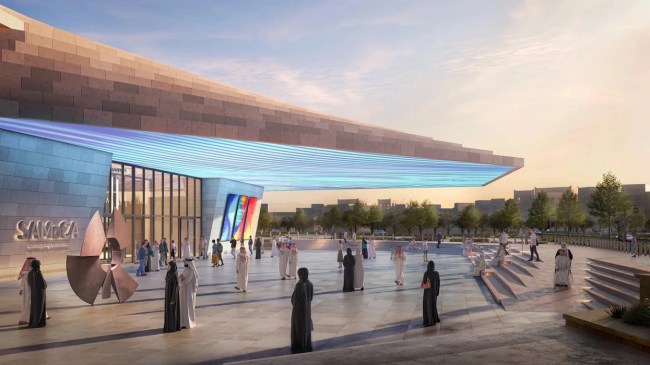
As Vision 2030 enters its final implementation phase through 2030, the strategic implications for regional capital allocation and infrastructure investment are substantial. The Kingdom’s revised target of 150 million annual visitors, combined with mega-events including Expo 2030, positions Saudi Arabia to capture disproportionate share of global tourism flows over the coming decade. The integration of sustainability principles—151 million trees planted, 18.1 percent of land and 16.1 percent of marine zones under protection, and renewable energy capacity reaching 46-64 gigawatts—creates a framework for sustainable luxury tourism that differentiates the Kingdom from competing destinations. For sovereign wealth funds, venture capital allocators, and infrastructure investors, the data indicates a mature market opportunity: the Kingdom has moved beyond the speculative phase of diversification into execution, with returns now measurable and repeatable. The transformation is reshaping not merely the Saudi economy but the entire competitive landscape for tourism, hospitality, and related infrastructure investment across the MENA region.