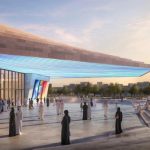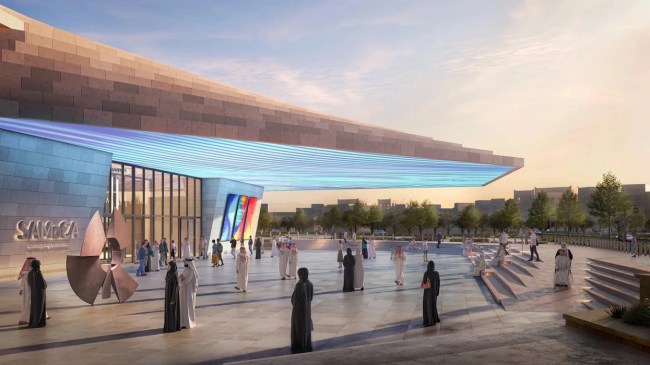

The establishmentof the Saudi Museum of Contemporary Art (SAMoCA) in Diriyah represents a strategic realignment of sovereign capital to catalyze cultural and economic diversification in the Middle East and North Africa (MENA) region. As part of the $63 billion Diriyah giga-project under Saudi Vision 2030, the initiative underscores a broader governmental commitment to leveraging mega-infrastructure investments to reshape regional business ecosystems. This convergence of art, tourism, and technological integration positions SAMoCA not merely as a cultural landmark but as a catalyst for attracting sovereign capital flows aimed at de-risking traditional hydrocarbon-dependent economies. The project’s scale and funding model—likely involving a mix of state-backed loans, international partnerships, and reinvestment—signal a calculated effort to consolidate Saudi Arabia’s position as a hub for high-value, non-oil sectors. For other Gulf states, this could incentivize similar public-private collaborations, triggering a regional surge in sovereign-backed mega-projects that prioritize long-term economic resilience over short-term revenue generation.
The venture capital (VC) landscape in MENA is poised for transformation through such initiatives, as SAMoCA’s integration of digital infrastructure and global artistic networks creates opportunities for tech-driven investments. The museum’s anticipated use of AI, blockchain, or immersive technologies for art preservation and engagement could attract early-stage funding for regional startups specializing in creative tech solutions. Furthermore, the project’s emphasis on international cultural exchange may stimulate cross-border VC activity, with firms seeking to capitalize on the growing demand for experiential assets in the Global South. However, the success of SAMoCA hinges on its ability to balance artistic vision with measurable business outcomes, such as tourism revenue growth and foreign direct investment (FDI) attraction. Regional VC players must therefore prioritizeconvertible assets that align with Vision 2030’s goals, ensuring liquidity while supporting Saudi Arabia’s broader economic agenda. This dynamic could lead to a bifurcation in investment strategies within MENA, with capital flowing toward projects that demonstrably enhance both cultural capital and financial returns.
Regionally, SAMoCA’s development highlights the increasing importance of infrastructure as a tool for geopolitical and economic influence in MENA. The project’s location in Diriyah—a designated smart city under Vision 2030—positions it as a template for future infrastructure investments that merge physical development with digital ecosystems. This could spur private-sector participation in regional infrastructure projects, particularly in fields like high-speed connectivity, digital art platforms, and sustainable urban planning. For neighboring countries, the success of SAMoCA may act as a blueprint, encouraging GCC states and MENA nations to invest in similar hubs that attract global talent, tourism, and cross-industry innovation. Simultaneously, the project’s reliance on modern technology infrastructure could drive demand for regional tech firms, fostering a virtuous cycle of investment and job creation. However, the long-term viability of such initiatives will depend on cohesive regional policy frameworks that address challenges like fiscal sustainability and interoperability of digital systems across borders, ensuring that infrastructure investments translate into tangible economic benefits rather than isolated flagship projects.