
The Public Investment Fund’s abrupt disengagement from the LIV Golf venture, capping its exposure at roughly $8 billion, marks a decisive turn in Saudi Arabia’s sovereign‑wealth strategy. The move follows the PIF’s March 2026‑2030 strategic reboot, which trims foreign holdings from 30 % to a ceiling of 20 % and redirects capital toward high‑impact domestic projects, notably the $45 billion football‑stadium build‑out for the 2034 FIFA World Cup and an accelerated rollout of the 2030 World Expo. With Aramco’s 2022 record profit of $223 billion underpinning state finances, the kingdom is choosing to convert its oil‑derived cash flow into tangible infrastructure that will lock in long‑term revenue streams and elevate its global sporting profile.
For venture capital and private‑equity investors across the MENA region, the PIF’s recalibration signals a shift from “blank‑check” sponsorships to disciplined, return‑oriented deployments. The fund’s recent acquisition of a 93.4 % stake in Electronic Arts for $76.5 billion exemplifies a pivot toward technology assets with scalable cash flows, while its divestment from high‑profile football clubs—selling 75 % of Al‑Hilal and likely off‑loading Al‑Nassr—suggests a withdrawal from celebrity‑driven deals that offered limited strategic upside. This reallocation will likely free capital for home‑grown fintech, health‑tech, and clean‑energy platforms that align with Vision 2030’s diversification goals.
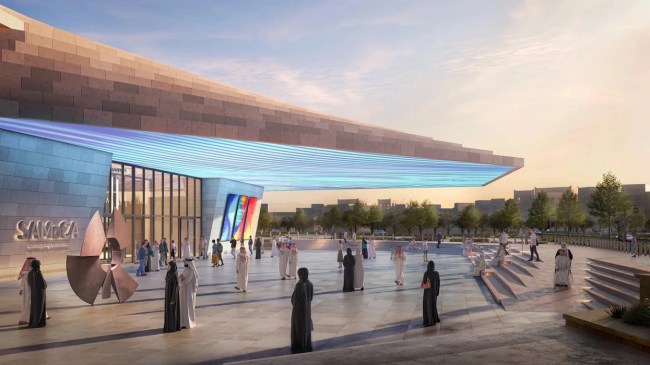
On the ground, the re‑orientation has immediate repercussions for the regional sports ecosystem. The discontinuation of the WTA Finals, Next‑Gen ATP events, and the Snooker Masters, together with the suspension of the Asian Golf Tour’s International Series, underscores a broader contraction of Saudi‑financed global‑sport calendars. The kingdom’s flagship projects now centre on the World Cup, with fifteen stadiums—five exceeding $1 billion each—and the 12‑billion‑dollar Qiddiya Gaming District earmarked to nurture a domestic esports market. These infrastructure programmes will generate construction contracts worth hundreds of billions of riyals, catalyse ancillary logistics networks, and create a pipeline of skilled labour that will underpin future private‑sector investment.
Ultimately, the PIF’s strategic shift is a litmus test for sovereign capital in the Gulf: a move from high‑visibility patronage toward sustainable, asset‑backed growth. By prioritising megaprojects that deliver measurable economic multipliers and by channeling funds into technology and grassroots sport, Saudi Arabia aims to solidify its role as a regional capital hub while insulating its portfolio from the volatility of headline‑grabbing ventures. Market participants should anticipate a leaner, more analytically driven investment climate, where returns, operational efficiencies and long‑term national branding outweigh the allure of marquee personalities.