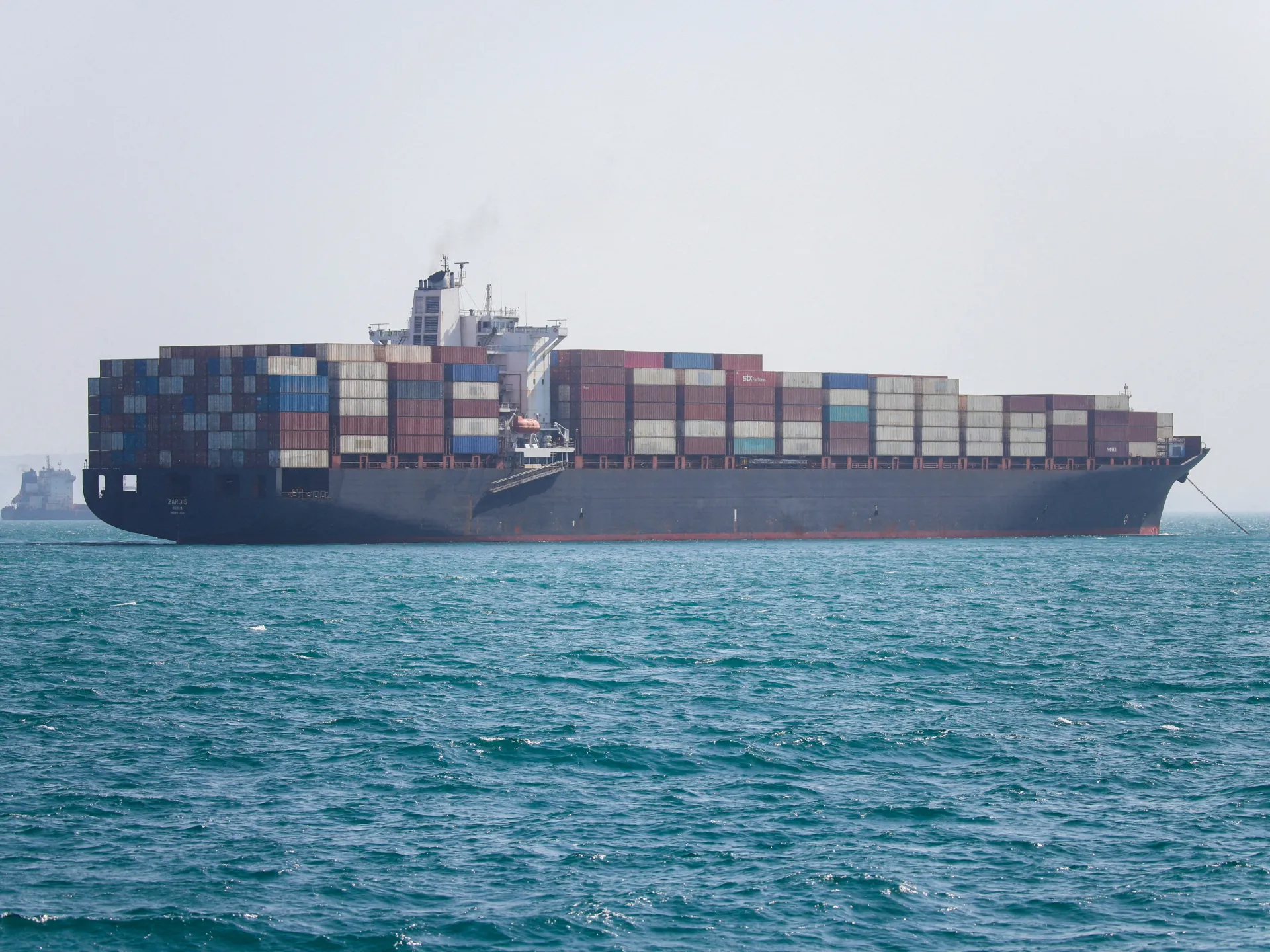

The recent resurgence in strategic discussions concerning the Leasing of the New Mooring Container Terminal at Chattogram Port underscores a pivotal inflection point for MENA regions. With the suspension temporarily lifted, sovereign capital is now cautiously rejoining the transaction landscape, driven by increasing demand for modernized logistics infrastructure. The announcement by port authorities to modernize the adjacent Chittagong Container Terminal (CCT) further amplifies the economic significance of this convergence, positioning the Middle East and North Africa as critical nodes in a burgeoning transshipment corridor. The trajectory of DP World’s renewed bid signals not only a recalibration of investment focus but also a key alignment between regional port strategies and global supply chain imperatives.
Emerging from an interim government period marked by labor-related hurdles, the removal of restrictions has opened the door for strategic recalibration with major players like DP World. Their proposal to integrate NCT and CCT into a unified terminal envisions a paradigm shift in regional competitiveness, leveraging technological integration and enhanced throughput capacity. Such developments are more than logistical improvements; they are redefining the financial flows and risk appetites within sovereign-linked capital markets. Regional investors are now compelled to reassess sovereign backing for infrastructure ventures, understanding that modernization incentives will magnify both returns and exposure to macroeconomic variables.
Venture capital cycles are showing signs of responsiveness, with stakeholders increasingly eyeing the expanding role of port modernization in converging digital, operational, and financial underpinnings. The implications extend beyond operator profitability, embedding the need for robust governance frameworks around revenue transparency, cost allocation, and workforce transitions. For the broader MENA region, these shifts substantiate the urgent imperative for integrated investment vehicles and innovative public–private models where technology, finance, and infrastructure converge. Only through such coordinated engagement can MENA achieve its ambitions for leading regional logistics hubs amid intensifying global trade dynamics.
In summary, the rekindled interest in consolidated port leasing and integrated modernization projects represents a strategic convergence point. The next wave of investment decisions will not only determine the operational future of Chattogram and Chittagong Ports but also will shape the financial architecture of the broader Middle East and North Africa corridor.