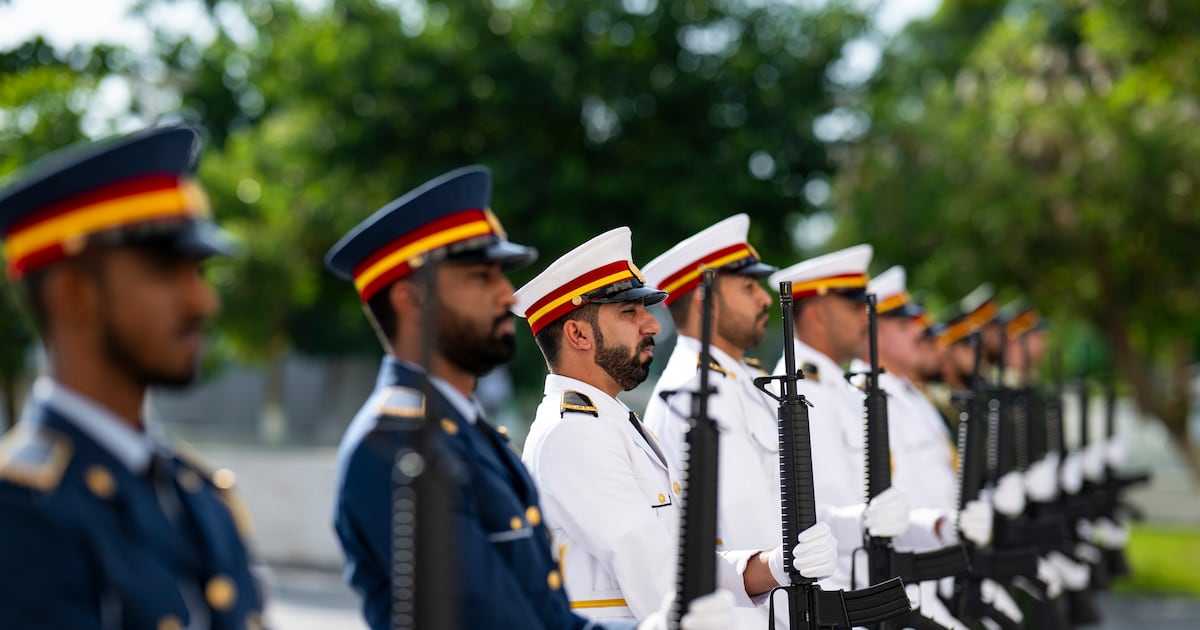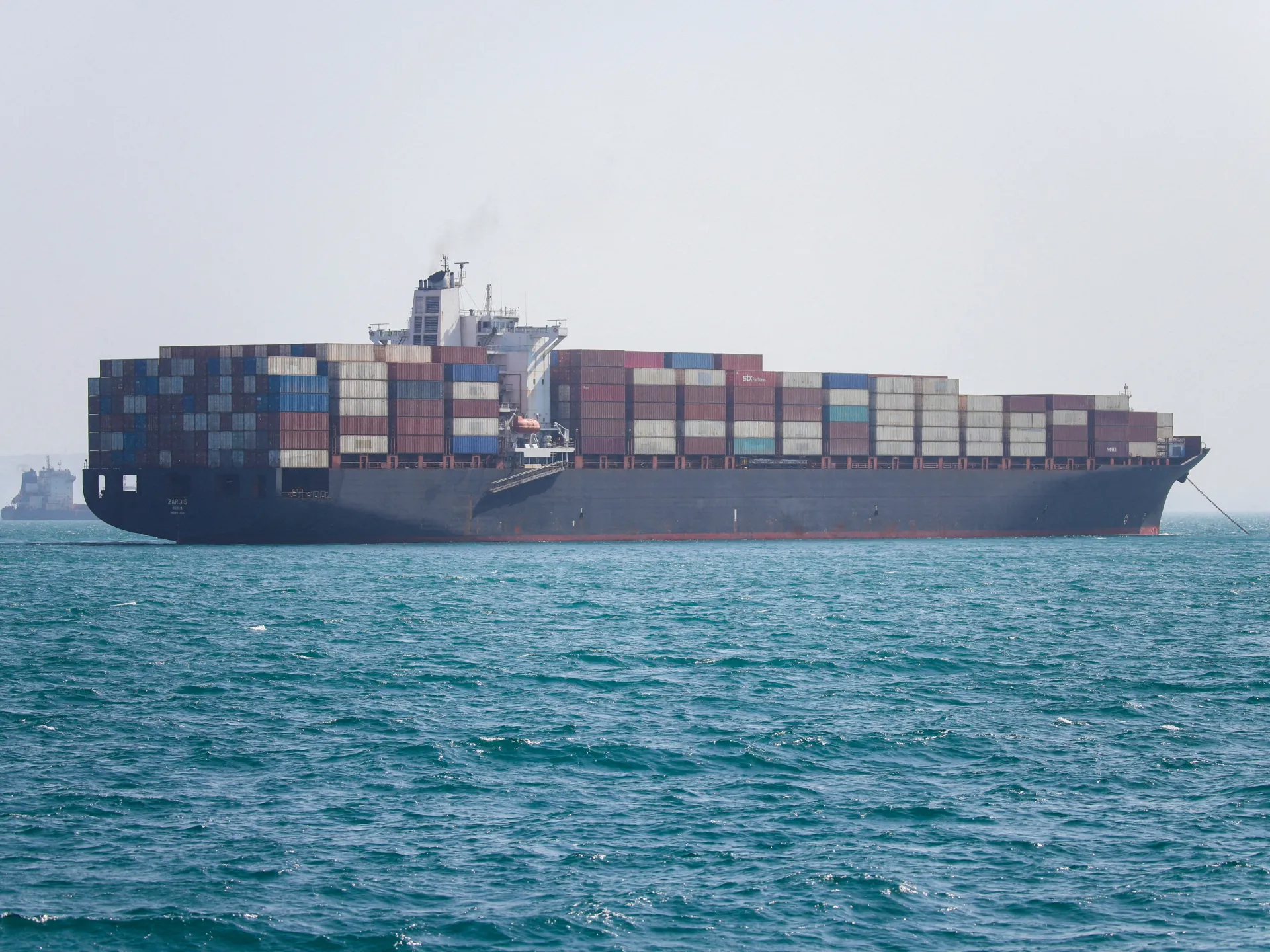

US President Donald Trump announced that the Navy’s “Project Freedom” patrol of the Strait of Hormuz will be temporarily suspended in light of a Pakistani request and the imminent finalisation of a landmark trilateral agreement with Iran. The pause, scheduled to last only a few weeks, removes a key element of the United States’ maritime security posture in a corridor that processes almost a third of global oil shipments.
For the MENA region, the interruption signals a shift in strategic calculations. Sovereign capital managers in Gulf states—particularly Saudi Arabia, the United Arab Emirates, and Qatar—will need to re‑allocate liquidity that had been earmarked for ship‑repair and defence procurement programmes. The pause may temporarily reduce pressure on the region’s already over‑leveraged shipping and port infrastructure, potentially freeing up sovereign assets for diversification into high‑tech and renewable‑energy ventures. In contrast, venture‑capital firms with exposure to maritime logistics firms that rely on U.S. military escorts could face valuation volatility, prompting a reassessment of risk premia in downstream energy and logistics start‑ups.
Infrastructure developers across the Arab world will re‑evaluate their capital budgets. Projects such as the expanding Manama Port and the planned LNG terminal in the Eastern Province of Saudi Arabia had counted on continued U.S. naval reassurance to attract international investors. With the corridor temporarily untethered from military oversight, lenders may demand higher senior‑grade collateral terms, potentially slowing the pace of regional port expansions and pipeline upgrades. At the same time, the pause offers a unique window for governments to accelerate investment in digital‑ship‑tracking and cyber‑security systems—key components of a modernised maritime ecosystem that can sustain supply‑chain resilience without overt military presence.
In the long run, the U.S. decision could hasten a realignment of MENA’s maritime economic architecture. Sovereign wealth funds may pivot from traditional oil‑related portfolios toward technology‑enabled logistics platforms, while venture capitalists could redirect capital toward additive‑manufacturing and AI‑driven supply‑chain analytics. The temporary de‑militarisation of the Strait will test the resilience of regional shipping in the face of geopolitical turbulence, and the ability of regional states to respond with robust, privately driven infrastructure initiatives will determine whether the economic fallout is absorbed swiftly or sparks a more profound disruption in Middle Eastern trade dynamics.