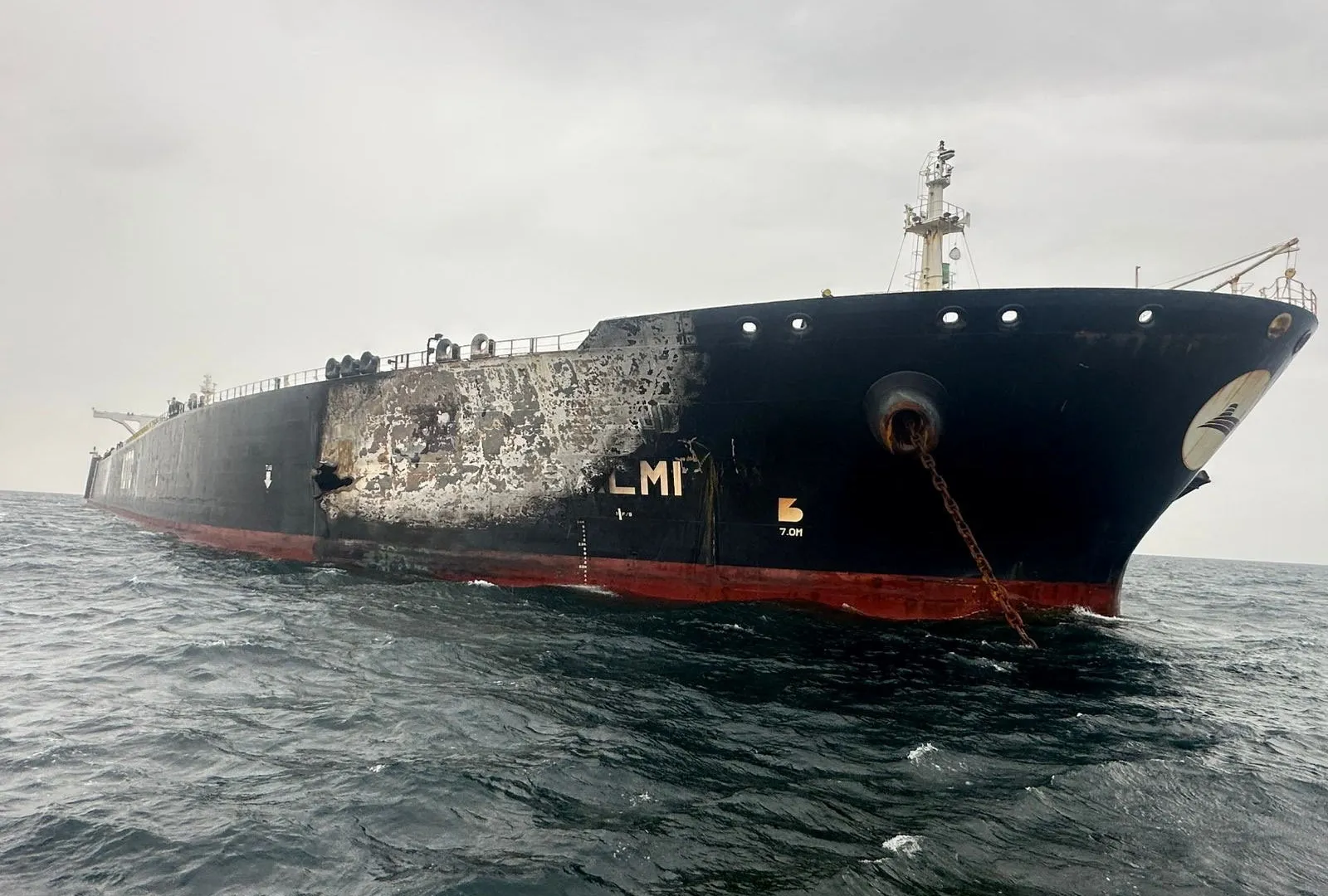

In the wake of escalating tensions that saw Iranian targets struck by regional actors supported by external powers, the Gulf Cooperation Council’s (GCC) loss of confidence in Iran has catalyzed a seismic realignment of economic and security dependencies across the Middle East and North Africa (MENA). While geopolitical posturing dominates headlines, the financial and institutional ramifications are equally profound. Sovereign wealth funds in GCC states, long reliant on quasi-neutral partnerships with Iran for hydrocarbon infrastructure access and transit corridors, now face existential risks to their capital reserves. The war’s disruption of maritime chokepoints like the Strait of Hormuz—as a de facto consequence of U.S.-led interventions from GCC territories—has triggered a flight of venture capital (VC) from oil-dependent sectors, with investors pivoting toward Gulf states positioning themselves as “security hubs” for Western tech firms. Yet this shift risks entrenching dependency on imported national security, a model that has repeatedly proven brittle in the face of asymmetric retaliation, as Iran’s calibrated responses demonstrate.
The repercussions for regional infrastructure investment are stark. Decades of U.S.-centric defense spending—channeling sovereign capital into bases and weapon systems rather than diversified economic foundations—have left GCC states exposed to retaliatory shocks. Take Qatar and the UAE, whose “modest” defenses have been armed by U.S. excesses, creating a paradox where militarized zones stifle economic dynamism. The current conflict has underscored the falsehood of this paradigm: foreign bases, far from insulating economies, have become liabilities, diverting sovereign capital into reconstruction costs and litigation risks. Meanwhile, venture capital, traditionally allergy to the MENA region’s geopolitical volatility, now faces existential pressure to realign: will it fund synthetic energy projects to reduce oil dependency, or perpetuate the cycle of extraction that fuels these conflicts? The GCC’s securitized economic model—built on Western arms and bases—is unsustainable, yet the absence of coherent alternatives risks perpetuating capital flight and youth disillusionment.
Yet the landscape is not devoid of opportunity. Iran’s historical pragmatism in fostering regional networks—from the Hormuz Peace Endeavor to transnational tech partnerships—reveals a latent capacity for economic interdependence unshackled from militarization. Sovereign capital poised to engage Iran on terms divorced from U.S. sanctions frameworks could unlock dual economic and strategic dividends, particularly in energy transition and cross-border connectivity. Similarly, VC’s incipient interest in MENA’s startup ecosystems—particularly in fintech and agritech—gains urgency as states recognize the folly of relying on external guarantors for growth. The path forward demands a reimagining: regional infrastructural hubs co-designed, co-financed, and co-liable, insulated from foreign interventions that weaponize capital to stabilize one side while destabilizing another. For the MENA region, the calculus has shifted: economic sovereignty cannot coexist with security subservience. Those who fail to recalibrate will face not just military but financial hemorrhage—a truth etched into this conflict’s aftermath.