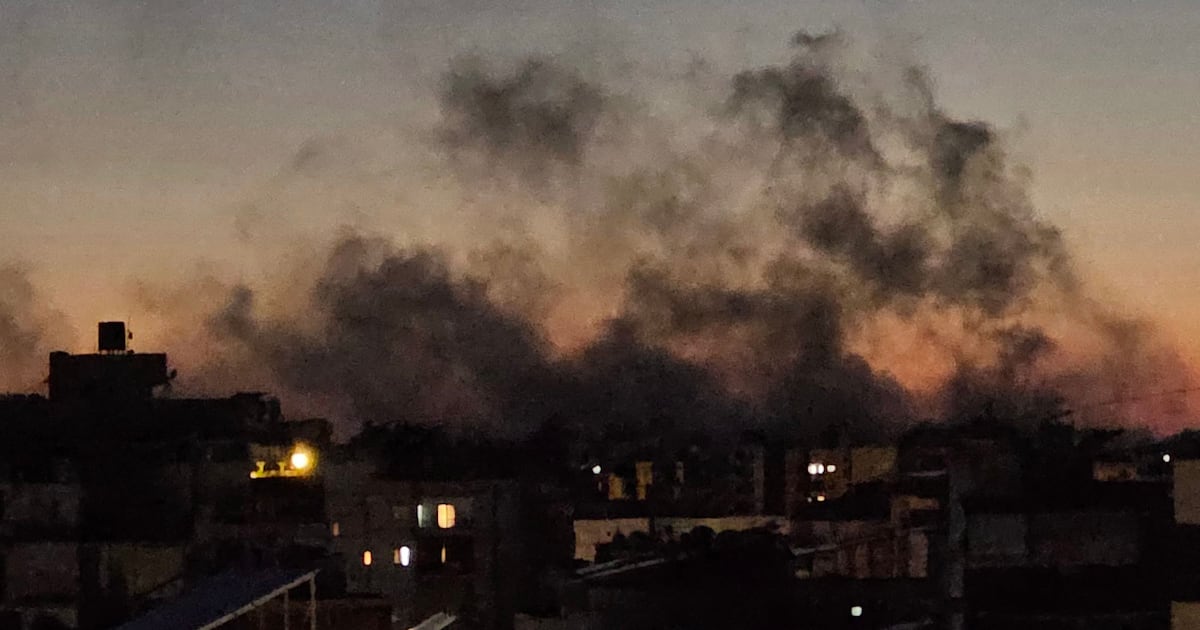

Therecent Israeli bombardment of Beirut underscores a destabilizing trajectory for economic and financial ecosystem in the Middle East and North Africa. The targeted strike on Hezbollah leadership, while militarily symbolic, compounds Lebanon’s fragile infrastructure and disrupts critical commercial hubs. Beirut, a longstanding nexus of regional trade and investment, faces acute logistical challenges as displacement orders and repeated attacks fragment supply chains. For businesses reliant on Lebanon’s strategic ports or logistics networks, this volatility erodes confidence, with potential cascading effects on cross-border FDI inflows. The conflict also risks inflating sovereign debt costs as Lebanon’s already strained public finances contend with reconstruction needs. Venture capital markets in the region may witness a flight to safer havens, such as UAE or Saudi Arabia, as politically untenable environments deter risk-taking. This shift could exacerbate technological and entrepreneurial stagnation in conflict-affected zones, diverting VC attention toward defense or resilience-focused ventures elsewhere in MENA.
Sovereign capital dynamics in Lebanon are at a crossroads, with the country’s precarious fiscal position compounded by the human and economic toll of sustained violence. Repeated Israeli incursions threaten to further decimate Lebanon’s foreign exchange reserves, already depleted by prior conflicts and the 2019 economic collapse. The inability to secure immediate debt relief or IMF-backed stabilization programs may force Lebanon into renewed austerity measures, exacerbating poverty and fiscal deficits. Regionally, this instability could deter Gulf sovereign wealth funds from channeling capital into Lebanon, redirecting investments toward more predictable markets. Additionally, the risk of militarized sanctions or retaliatory measures might ripple into broader MENA financial systems, particularly if Lebanese banks face liquidity squeezes or capital controls. For regional sovereign entities, the episode highlights the fragility of post-conflict economic reconstruction and the necessity of diplomatically mediated solutions to avert cascading sovereign defaults.
Venture capital ecosystems in Lebanon and neighboring states face existential challenges amid the escalating conflict. Startups dependent on Beirut’s tech infrastructure or Jordan’s nascent innovation hubs may experience funding freezes or talent exodus as uncertainty deepens. Regional VC players, such as those based in Dubai or Casablanca, may recalibrate portfolios toward sectors offering defensive or disaster-resilience returns, such as logistics or cybersecurity, rather than conflict-prone geographies. Closer to home, the spillover effects of displacement and infrastructure destruction could stifle local entrepreneurship, while Gulf states might leverage the instability to expand their regional VC footprints. However, this realignment risks entrenching a bifurcated MENA venture landscape—where stability fuels growth and conflict breeds attrition—undermining the region’s long-term ambition to position itself as a global tech and innovation hub.