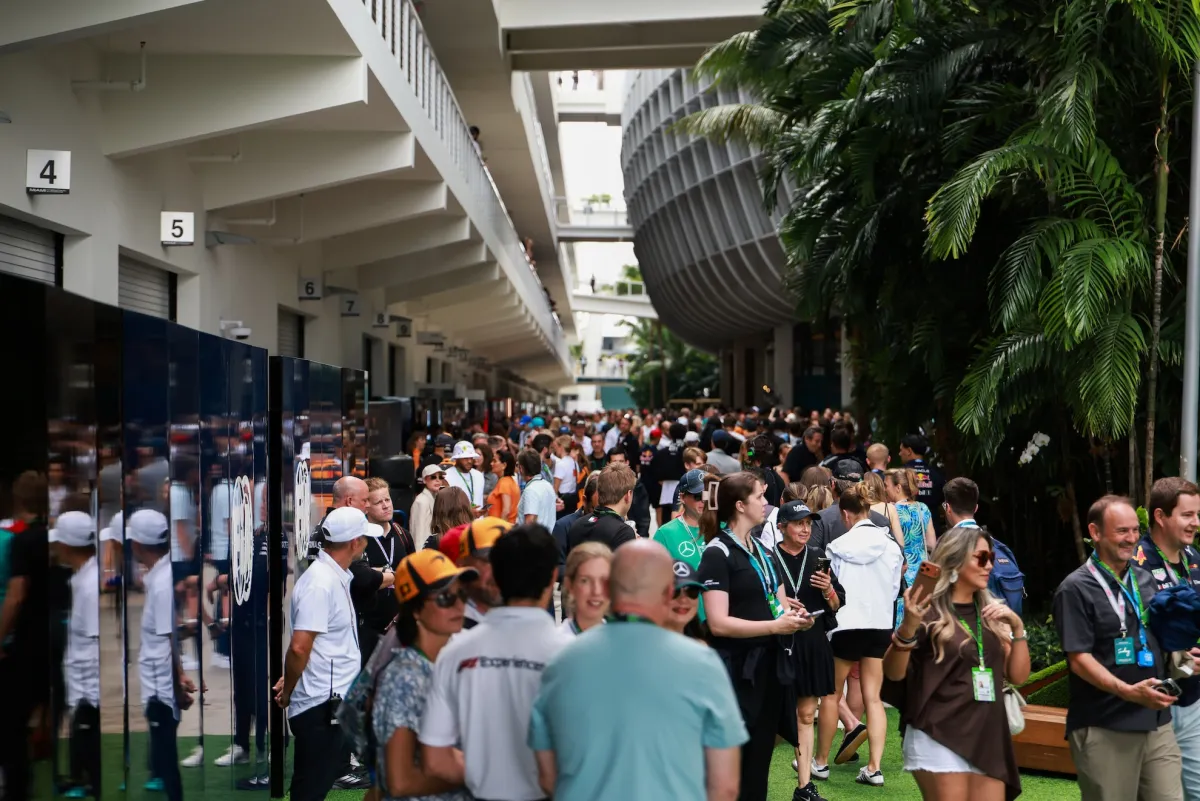

Formula 1’s Miami weekend has morphed into a high‑stakes networking hub where sovereign wealth funds, Gulf‑based venture houses and regional infrastructure financiers converge with the sport’s new tech sponsors. Over the past five years, flagship partnerships—from Oracle’s title deal with Red Bull to Microsoft’s multi‑year alliance with Mercedes‑AMG Petronas—have signalled a decisive shift toward AI, cloud computing and data‑analytics providers. The influx of capital is not limited to traditional sponsors; Dorilton Capital’s acquisition of Williams Racing and a €200 million injection into Alpine by Otro Capital, RedBird Capital and Maximum Effort illustrate how private‑equity and venture capital firms are taking equity stakes in F1 teams, turning the paddock into a de‑facto venture showcase.
For the Middle East and North Africa, the implications are twofold. First, the presence of sovereign investors such as Saudi Arabia’s Public Investment Fund and Abu Dhabi’s Mubadala at these events provides a conduit for channeling billions of dollars into frontier technologies that underpin both automotive performance and broader digital economies. Their participation validates a pipeline of MENA‑sourced startups seeking to ride the wave of AI‑driven analytics, high‑performance computing and cybersecurity solutions that F1 teams now demand. Second, the proximity of regional infrastructure developers—particularly those focused on smart‑city platforms and sustainable transport—creates immediate opportunities to align with the sport’s sustainability agenda, leveraging F1’s push for net‑zero fuels and carbon‑offset strategies to showcase regional green‑tech capabilities on a global stage.
Venture firms are already structuring formal outreach programs that embed their portfolio companies within the F1 ecosystem. Lightspeed Ventures, for example, has instituted a “Aston Martin connector” that pairs its founders with the team’s enterprise clients, resulting in sealed deals for blockchain and AI‑infrastructure startups during a single weekend. Such models are being emulated by Gulf‑based accelerators, which view the paddock’s compressed, high‑density environment as an efficient capital‑raising platform—far more than the traditional, leisurely founder retreats. The high ticket price acts as a filter, ensuring that only capital‑rich investors, sovereign funds and seasoned operators gain access, thereby intensifying deal flow and accelerating the go‑to‑market timelines for MENA tech enterprises.
Looking ahead, the strategic alignment of F1’s technological thrust with the MENA region’s ambition to become a global hub for advanced manufacturing and digital innovation could reshape the investment landscape. As F1 races expand to venues such as Las Vegas and potentially Doha, the region stands to host its own “tech paddocks,” where sovereign capital, venture funding and infrastructure projects intersect. This convergence promises to reinforce the Gulf’s role not merely as a source of financing but as a catalyst for building the next generation of AI‑enhanced mobility and data‑centric ecosystems across the Middle East and North Africa.