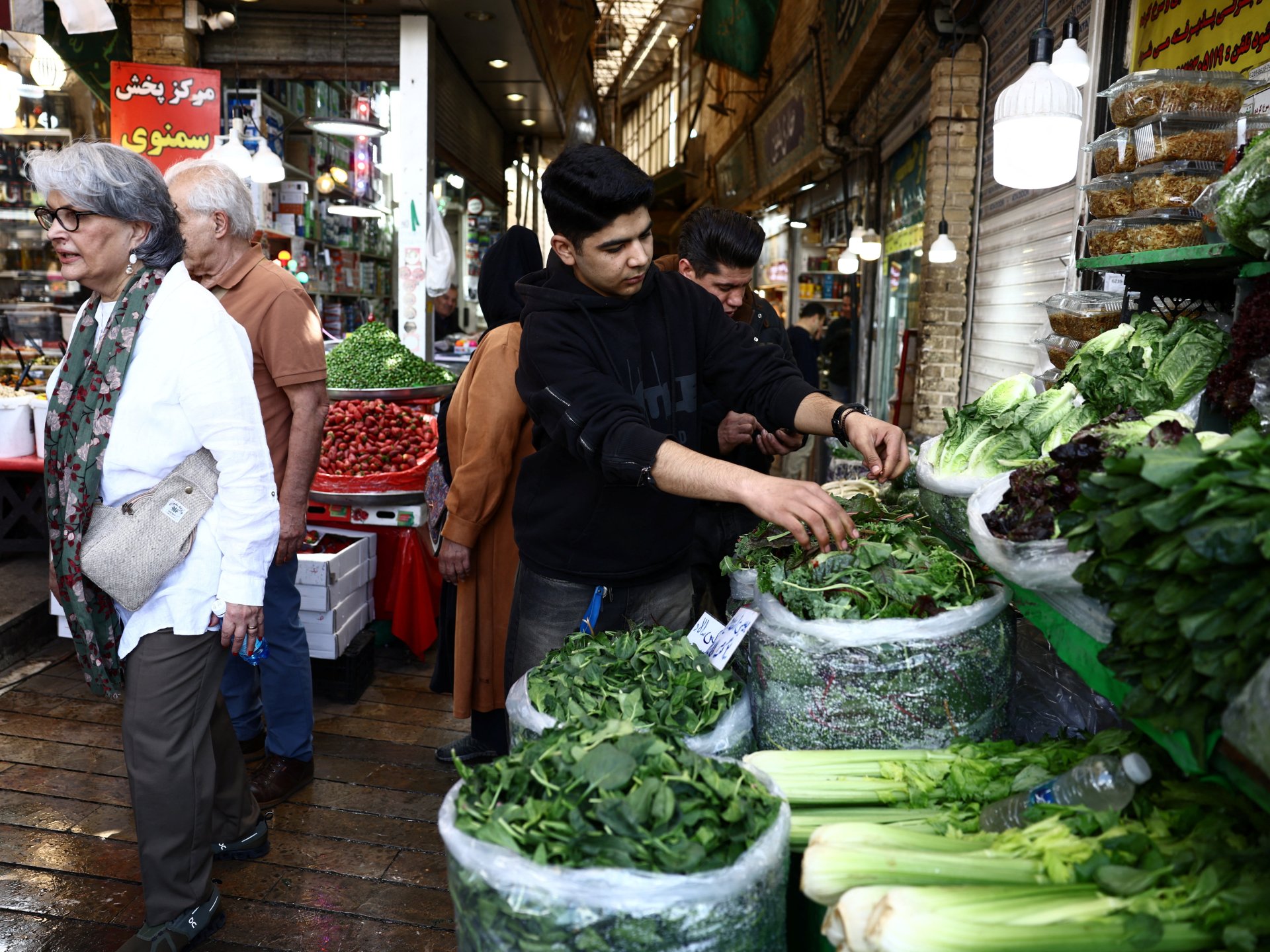

Iran’s economic freefall has escalated beyond crisis levels, with inflation reaching 73.5 percent in the first month of the Persian calendar year and food prices surging 115 percent year-over-year. This economic hemorrhaging, accelerated by ongoing conflict and Western sanctions, represents a critical threat to regional financial stability and capital flows across the MENA corridor. The Iranian rial’s collapse to 1.77 million per dollar—more than doubling from 830,000 a year ago—signals severe capital flight and raises fundamental questions about sovereign debt obligations and banking sector viability throughout the region. Gulf Cooperation Council currencies and their pegged exchange rate mechanisms now face indirect pressure as investor confidence in regional risk management capabilities continues to erode.
The war-driven economic disintegration is systematically dismantling Iran’s technology infrastructure and venture capital ecosystem, with profound spillover effects across the broader MENA innovation landscape. Regional venture capital funds that previously maintained exposure to Iranian startups—estimated at approximately $2.3 billion in committed capital prior to escalation—are executing emergency divestments, redirecting allocations toward UAE and Saudi Arabia-based opportunities. The declared death of Iran’s domestic startup ecosystem eliminates a critical node in the region’s technology supply chain, forcing multinational corporations to reassess their MENA expansion strategies and procurement networks. Telecom infrastructure degradation, including the 72-day internet blackout, has effectively quarantined Iranian tech talent and accelerated brain drain to neighboring innovation hubs.
Sovereign wealth funds across the Gulf are recalibrating their strategic allocations in response to heightened geopolitical risk, with regional infrastructure investment poised for significant reallocation. The Arab Petroleum Investments Corporation and similar entities are reconsidering pipeline, port, and logistics investments that previously accounted for 12 percent of MENA infrastructure outlays. Iran’s reduced capacity as a transshipment point will likely drive increased investment in Iraqi Kurdistan, Turkey, and Jordan as alternative corridors for trade facilitation. Banking sector exposure to Iranian trade finance—estimated at $18 billion regionally—requires immediate provisioning and risk mitigation strategies, potentially constraining credit availability for legitimate regional commerce channels.
The economic warfare’s secondary effects are reshaping regional subsidy architectures and social stability calculations across the Levant and Gulf states. Iran’s $10 monthly subsidy allocation—utterly insufficient for population stabilization—contrasts sharply with Gulf states’ infrastructure development commitments averaging $450 monthly per capita in citizen support. This disparity threatens refugee flow dynamics and labor market competition throughout the region, as displaced Iranian professionals seek opportunities in Dubai, Doha, and Riyadh. The confluence of currency collapse, internet shutdowns, and institutional breakdown in Iran signals an emerging paradigm where regional capital will increasingly consolidate in politically stable jurisdictions, fundamentally altering MENA’s investment geography and infrastructure development priorities for the remainder of this decade.