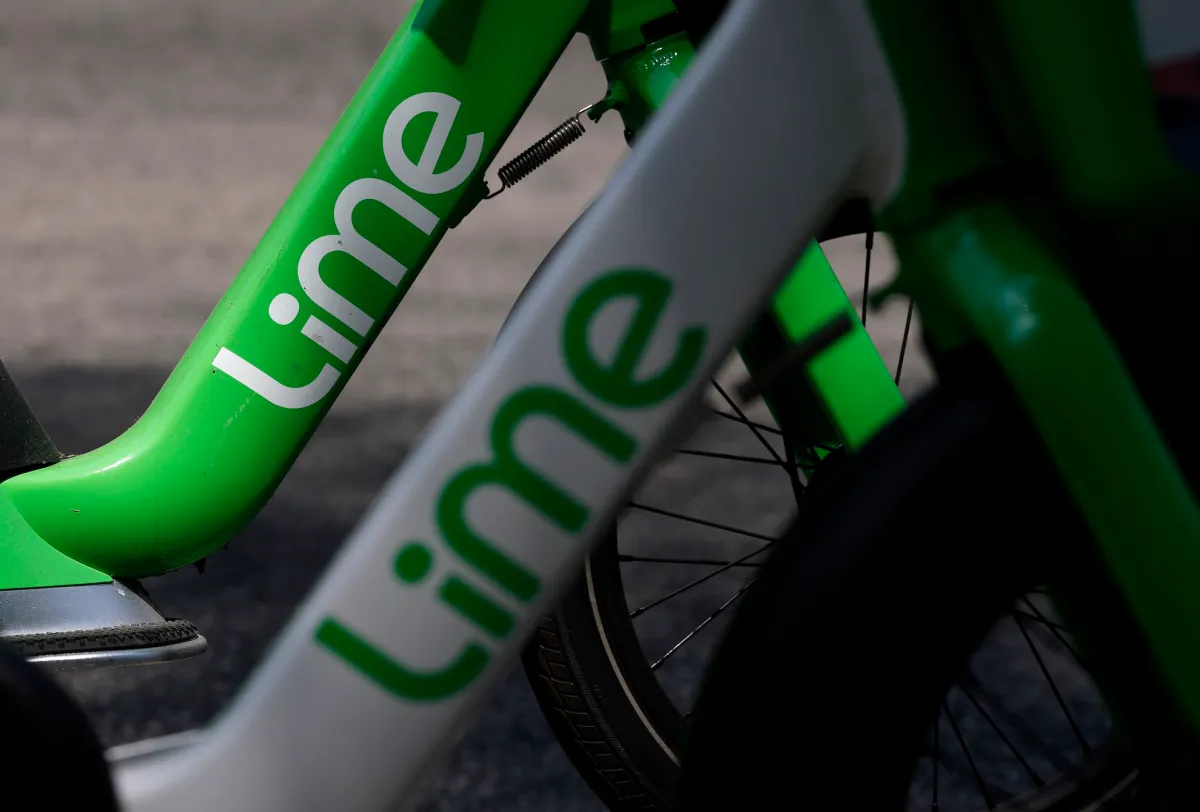

Lime’s IPO filing underscores the strategic complexities of scaling micromobility infrastructure in capital-constrained regions, a challenge amplifying in the Middle East and North Africa (MENA). While the startup’s positive free cash flow and narrowing losses signal progress, its $1 billion in liabilities—with $675.8 million due by 2026—mirror liquidity risks prevalent in MENA’s emerging tech sector, where sovereign capital often prioritizes low-debt equity models. Uber’s 14.3% revenue stake highlights the interdependence of global partnerships in MENA markets, where such alliances are critical for overcoming fragmented regulatory landscapes. Yet, Lime’s reliance on a handful of markets, including a 22.2% revenue concentration in the UK, contrasts with MENA’s own market diversification challenges, where urbanization bottlenecks and variable municipal support for shared mobility infrastructure could exacerbate similar risks.
The venture capital dynamics Lime’s filing exposes resonate with MENA’s sovereign investment trends. While Gulf sovereign wealth funds (SWF) have increasingly sought high-yield tech bets, Lime’s debt-laden exit strategy reveals risks of over-leveraging in sectors requiring heavy municipal buy-in—mirroring MENA’s reliance on state-backed infrastructure projects like Saudi Arabia’s NEOM or the UAE’s smart city initiatives. Kodiak AI’s $100 million down-round financing, met with institutional skepticism, parallels MENA’s cautious venture climate, where public markets often undervalue frontier tech unless paired with sovereign-backed guarantees. The $500 million Uber-Nuro-Lucid robotaxi partnership, however, signals a growing trend of public-private consortiums that could redefine MENA’s autonomous mobility ecosystem, particularly in logistics hubs like Abu Dhabi or Dubai, where AI-driven freight networks are prioritized in national digitization agendas.
Regional infrastructure gaps loom large for MENA’s tech adopters, with Lime’s pothole vulnerability serving as a microcosm of the area’s maintenance challenges. Unlike the U.S. and Europe, MENA’s road quality and charging station density for electric micromobility remain uneven, creating adoption barriers. Yet, sovereign capital is accelerating investments in grid modernization and variable message highway systems, creating a bifurcated landscape where companies like Moment Energy, which repurposes EV batteries, could thrive by aligning with Saudi Arabia’s circular economy goals or Egypt’s renewable energy mandates. Rocsys’s $13 million raise for autonomous last-mile charging solutions exemplifies the sector’s promise—if MENA governments accelerate partnerships with such firms, integrating them into regional electric vehicle (EV) hubs like Saudi Arabia’s Jeddah Economic City. The road ahead demands coordinated fiscal policy, debt restructuring frameworks, and targeted VC deployment to ensure MENA’s infrastructure ambitions translate into scalable tech ecosystems.