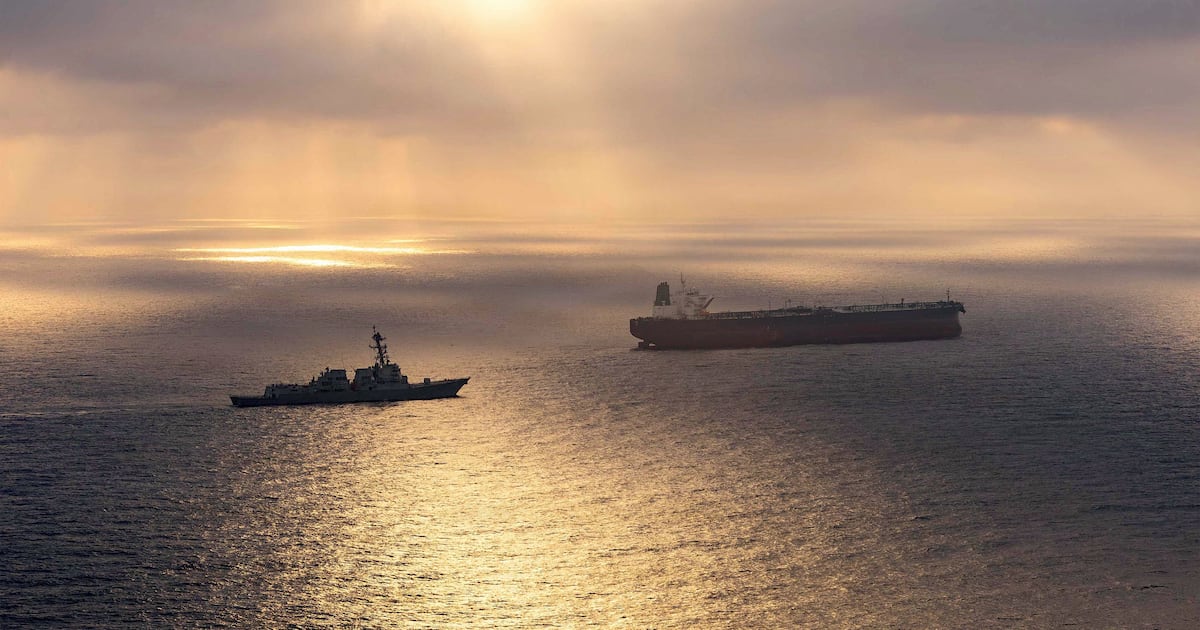

Mid‑September’s drone raids across the Strait of Hormuz have reverberated far beyond the immediate security calculus; they now cast a long shadow over the region’s sovereign wealth strategies, venture‑capital corridors, and critical infrastructure spending. The UAE, Qatar, and Kuwait have already rolled out emergency defense funds, signalling a shift from reactive contingency budgets to proactive hard‑evasion investing—an environment where 1‑5% of national budgets are earmarked for next‑generation air defence systems and anti‑drone countermeasures. For sovereign wealth vehicles, the precedent set by Saudi Arabia’s Public Investment Fund and Qatar Investment Authority is to increase allocations to maritime security shares and maritime logistics real‑time monitoring platforms, expecting a 3‑5% rise in annual returns from these sectors as risk‑adjusted premiums climb.
Venture‑capitalists, too, are recalibrating their risk appetite. The Gulf’s tech clusters—particularly those in Abu Dhabi, Dubai, and Riyadh—now face a higher capital‑cost environment. Seed and Series‑A funding for maritime‑tech startups is pressured to scale elasticities of service provision, cybersecurity resilience, and autonomous monitoring. Deal terms in the region have tightened, with institutional investors demanding stricter board oversight and risk‑sharing provisions tied to geopolitical events. The 2024 “Sovereign Resilience Fund” launched by the GCC, in partnership with local VC houses, reflects a strategic move to back companies that can pivot infrastructure services in high‑risk contexts, ensuring a diversified pipeline that can absorb shocks from sudden supply‑chain interruptions.
On the infrastructure front, the incidents have jolted shipping and logistic corridors that underpin the MENA energy export economy. The Strait’s status as a choke‑point has renewed focus on alternative routes, such as the planned Baniyas–Kuwait–Saudi corridor, and on hardening port hubs with 360‑degree surveillance arrays. Insurance premiums for vessels transiting the Gulf are projected to rise by 12–18% over the next 12 months, nudging shipping companies to invest in digital twins for real‑time voyage risk assessment. Governments, in turn, are calling for public‑private partnerships to deploy resilient harbor infrastructure, with a target of $4.5 billion in phased investment over the next five years to guarantee uninterrupted oil throughput and LNG export reliability.
Collectively, these dynamics pressure MENA sovereign funds to diversify beyond hydrocarbons, accelerate technology-led infrastructure resilience, and enhance coordination with venture entities to sustain economic stability in a landscape where security perturbations can instantly translate into market volatilities. The emerging consensus is clear: strategic defence, intelligent infrastructure, and robust VC ecosystems are now integral to the region’s fiscal prudence and long‑term growth trajectory.