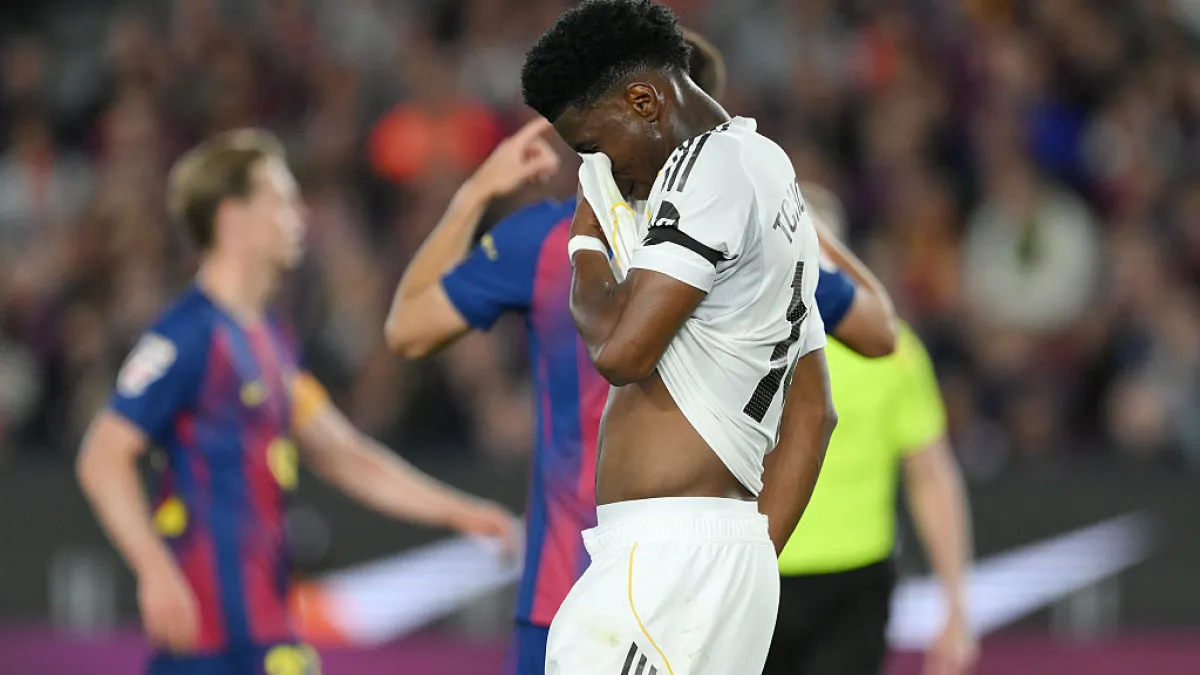

Real Madrid’s 2‑0 loss to Barcelona at Camp Nou has amplified concerns far beyond the pitch, signalling a potential shift in the club’s revenue architecture that could reverberate across the Middle East and North Africa’s sports‑investment ecosystem. The Spanish giant, whose brand commands an estimated €1 billion in annual commercial income, missed out on a historic treble and now faces a second‑consecutive runner‑up finish—a scenario that traditionally depresses sponsorship renewal rates and broadcasting fees by up to 12 %. For sovereign wealth funds and sovereign‑linked venture capital platforms across the Gulf, which have earmarked €350 million of the last five years for European football stakes, the setback raises the risk profile of future equity injections and may prompt a recalibration toward more diversified, technology‑centric assets that promise steadier cash flows.
At the heart of the sporting dilemma lies the under‑performance of marquee signings such as Kylian Mbappé, whose €180 million contract has yet to translate into on‑field synergy or sustained merchandise uplift. The dissonance between player acquisition costs and commercial returns is prompting a wave of strategic reconsiderations among MENA investors who have recently partnered with European clubs to launch fan‑engagement platforms, digital collectibles, and AI‑driven ticketing solutions. The loss of competitive edge could delay the rollout of these joint‑venture projects, compressing projected returns from 15‑20 % down to single‑digit figures and forcing investors to seek higher‑margin opportunities in domestic league digitalization or emerging e‑sports ecosystems.
Concurrently, the turbulence within Real’s managerial hierarchy—marked by the rapid turnover from Ancelotti to Xabi Alonso and now the speculation around José Mourinho or Jürgen Klopp—highlights governance risks that sovereign investors are increasingly unwilling to absorb without robust oversight mechanisms. In the GCC, where sovereign funds have begun to embed ESG and governance clauses into sports‑related deals, the club’s internal instability may trigger stricter covenant structures, higher equity premiums, or even a shift toward minority stakes rather than controlling interests. Such a trend would reshape the flow of capital into European football, redirecting funds to regions where governance frameworks align more closely with the risk appetites of state‑backed investors.
Finally, the broader implications for regional infrastructure are profound. The anticipated expansion of Real’s digital fan‑base in the MENA market—driven by localized streaming rights, Arabic‑language content, and immersive VR experiences—relies on a stable on‑field product. A prolonged dip in competitive performance could stall the rollout of next‑generation stadium connectivity projects and the deployment of 5G‑enabled live‑data platforms that Gulf telecom operators have been positioning as flagship offerings. In turn, delayed infrastructure rollouts may curtail the acceleration of the region’s digital transformation agenda, compelling policymakers to diversify away from European sports partnerships toward home‑grown leagues and technology incubators that can deliver comparable audience engagement without the volatility inherent in elite European football.