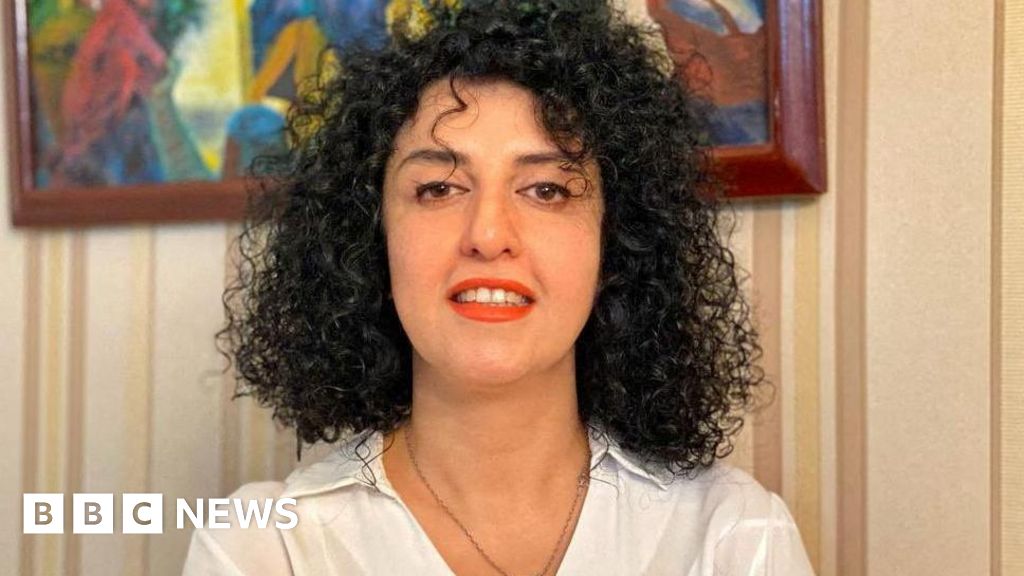

The bail of Iranian human rights activist Narges Mohammadi, granted amid reports of deteriorating health, operates as a geopolitical signal and risk management calculus for regional sovereign capitals and private investors. Tehran’s strategic calculus, prioritizing international optics while maintaining its domestic security posture, injects volatility into the already fraught geopolitical landscape. This development further isolates Iran from Gulf sovereign wealth funds, which increasingly leverage human rights and governance criteria alongside risk metrics, directing significant capital toward more stable political environments like Saudi Arabia and the UAE. For Gulf sovereign entities, such gestures underscore their positioning as preferred regional partners for large-scale infrastructure and technology investments, capitalizing on Iran’s growing economic isolation and regulatory uncertainty.
The incident amplifies existing hesitations within MENA-focused venture capital and private equity firms regarding Iran’s operating environment. Despite its nascent tech talent, persistent sanctions opacity, stringent capital controls, and arbitrary detentions like Mohammadi’s render Iran a high-risk, low-return proposition compared to the burgeoning ecosystems in Dubai, Riyadh, and Amman. Regional venture capital flows, heavily influenced by sovereign-backed funds and international LPs, will continue to favor jurisdictions offering greater regulatory stability, clearer exit pathways, and alignment with Gulf states’ softer power initiatives. Mohammadi’s case serves as a stark reminder of the operational and reputational risks inherent in navigating Iran’s complex regulatory and political landscape.
Consequently, Iran’s failure to align with Gulf regional modernization agendas not only stifles its own potential for foreign direct investment in critical infrastructure sectors like digital and logistics but also accelerates the consolidation of regional economic leadership within the GCC. Gulf nations are rapidly deploying sovereign capital to build advanced regional infrastructure hubs, creating formidable competitive advantages. The bail, while a minor diplomatic nod, ultimately reinforces the divergence between Iran’s inward-looking political economy and the outward-bound, investment-driven strategies defining the broader MENA region’s economic future, cementing the Gulf’s dominance as the region’s primary nexus for sovereign capital and high-growth ventures.