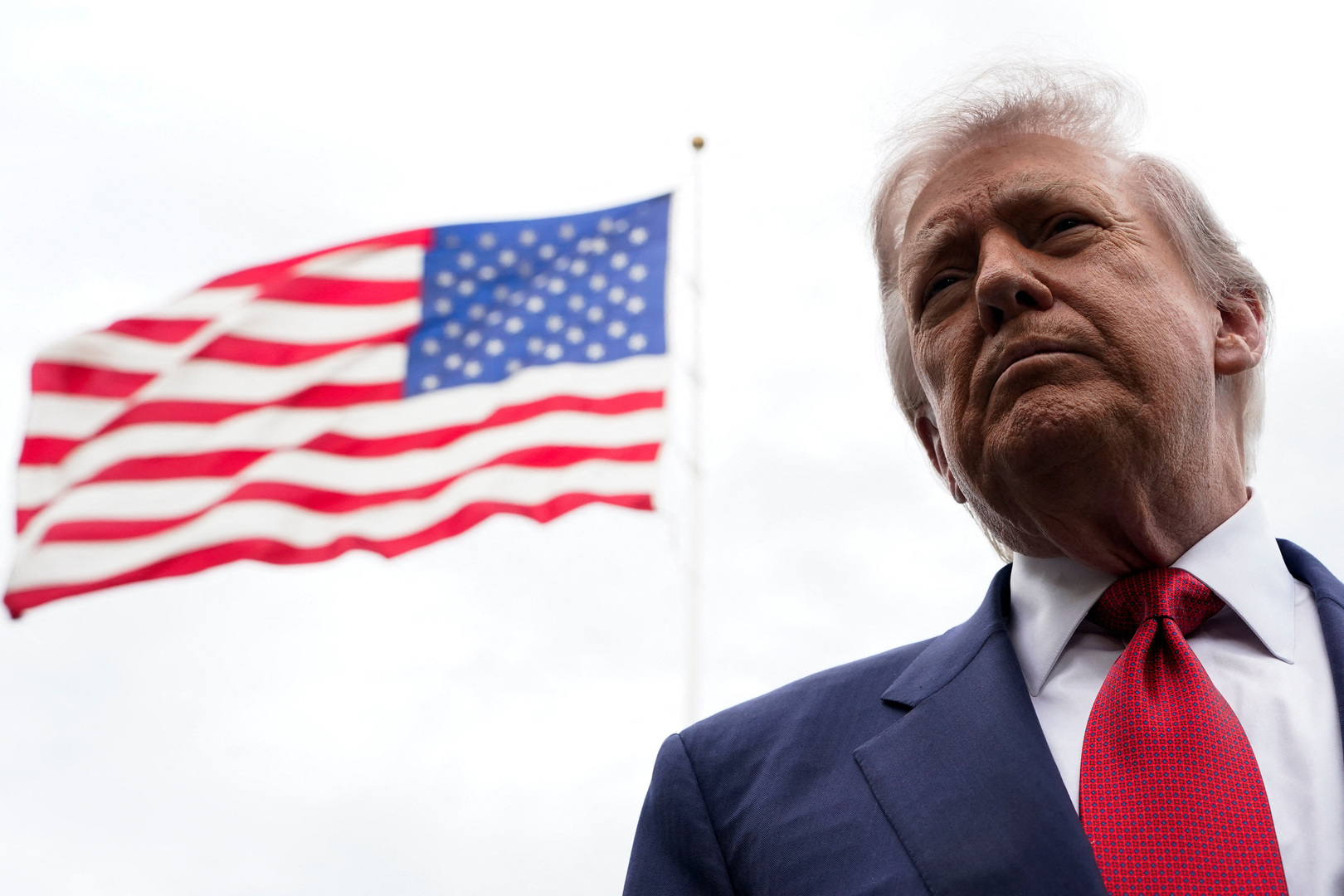

Trump’s rejection of Iran’s response to the U.S. peace proposal underscores a critical reconfiguration of Middle East-North Africa (MENA) geopolitical dynamics, with profound implications for sovereign capital flows, venture capital investment patterns, and regional infrastructure development. The hardening of sanctions regimes and the sharpening focus on control of the Strait of Hormuz pose a direct threat to energy-dependent economies across the region, exacerbating macroeconomic volatility. Sovereign entities, particularly those reliant on hydrocarbon revenues, face heightened pressure to diversify reserve allocations and stabilize liquidity amid potential disruptions to global supply chains. This environment could catalyze a retrenchment in discretionary government spending, redirecting sovereign capital toward critical infrastructure modernization or security redundancies aimed at mitigating geopolitical asymmetries. The inability to secure ceasefire guarantees further complicates cross-border investment climate, forcing sovereign wealth funds to recalibrate exposure to regional markets where uncertainty persists.
The venture capital ecosystem in the MENA region is poised for a bifurcated response. On one hand, heightened geopolitical tensions may divert funding toward defense technology, cybersecurity, and alternative energy storage solutions as hydrocarbons remain under sanction scrutiny. On the other, venture capitalists operating in the region could face liquidity constraints or capital outflows amid institutional risk reassessment. However, the strategic imperative to secure Hormuz’s logistical dominance may inadvertently spur innovation in regional infrastructure resilience—such as blockchain-enabled trade platforms or renewable energy microgrids—to decouple economies from central chokepoints. Such developments could unlock niche opportunities for high-growth VC targets specializing in supply chain optimization or decentralized energy systems, though overall investment appetite may remain muted until geopolitical volatility subsides.
Infrastructure investment across the MENA region stands at a crossroads. The protracted uncertainty over Hormuz control necessitates immediate reinvestment in alternative maritime corridors, digital logistics networks, and regional power grids to insulate critical industries from external shocks. This could accelerate sovereign-backed infrastructure funds, particularly in Gulf states seeking to diversify energy export routes. Conversely, prolonged conflict risks diverting capital from social or developmental projects to security-centric infrastructure, thereby constraining long-term growth potential. The broader implication is a strategic recalibration toward “infrastructure as a hedge,” where governments and private entities prioritize assets that enhance regional autonomy. Simultaneously, the technology sector must adapt to augmented demand for cyber-physical infrastructure, signaling a pivotal shift in how MENA nations conceptualize resilience planning amid external pressures.