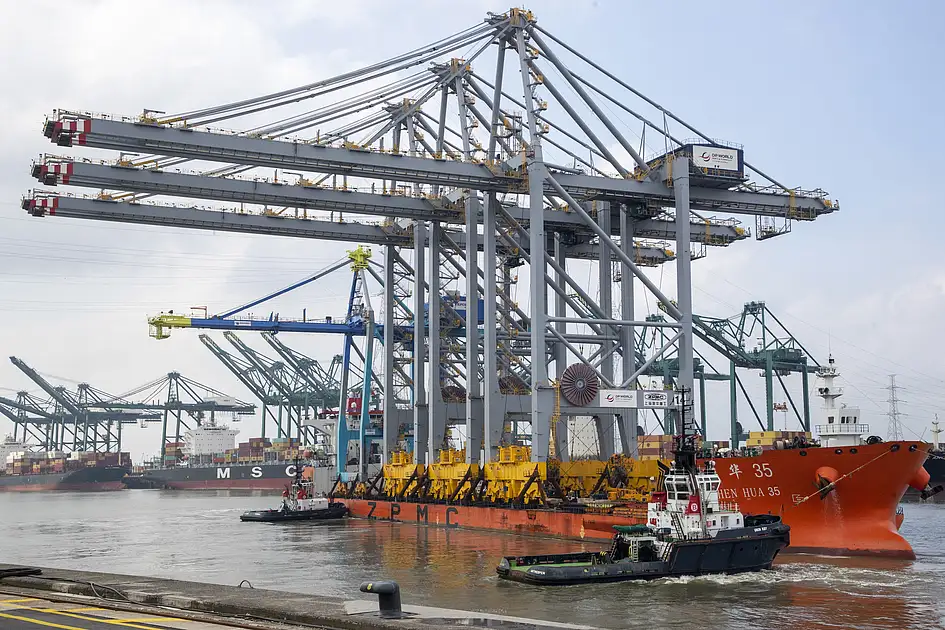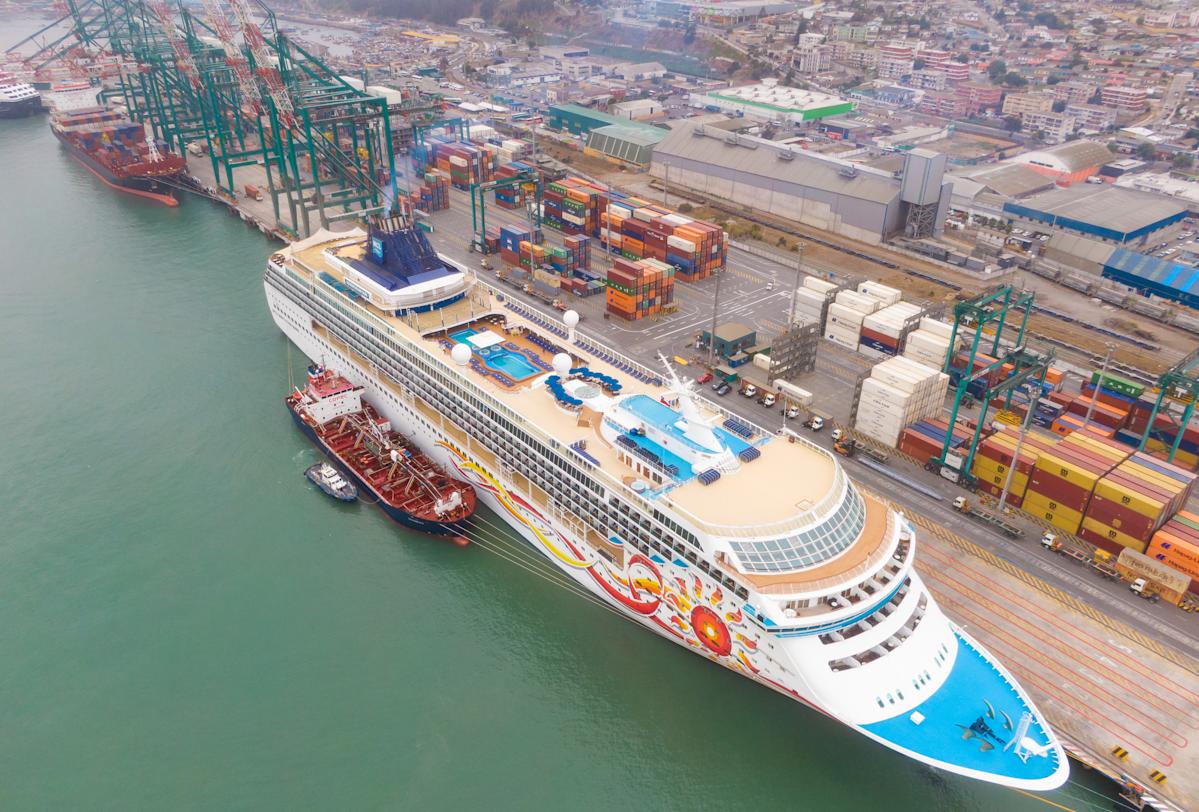

DP World’s conclusion of its 2025–26 cruise season at San Antonio, Chile — surpassing 491,000 cumulative visitors across 157 vessels since operations commenced in 2017 — is not merely a Latin American logistics footnote. It is a direct manifestation of MENA-originated sovereign capital reshaping global port and tourism infrastructure. As a subsidiary substantially linked to Dubai’s sovereign portfolio, DP World’s sustained capital deployment into Chilean terminal modernization, digital integration, and multi-modal passenger operations reflects a strategic thesis well understood across Gulf corridors: infrastructure-adjacent assets in emerging gateway markets yield compounding geopolitical and commercial returns. The nearly US$10 billion annual contribution of Chile’s tourism sector to GDP, alongside the port’s elevation as a World Travel Award recipient, validates a model that Gulf-linked operators have refined first at Jebel Ali and Dammam before exporting to secondary maritime nodes worldwide.
The implications for MENA venture and sovereign investment frameworks are material. DP World’s Chile expansion signals that Gulf-based port operators are no longer competing solely on regional throughput volume but are building integrated logistics ecosystems — combining cruise facilitation, container handling, and digital platforms — that function as transferable blueprints. For sovereign wealth allocators across Riyadh, Abu Dhabi, and Doha, the San Antonio precedent demonstrates the viability of deploying capital into mid-tier port assets that anchor broader tourism and trade corridors, a thesis with direct read-across to West African and South-Southeast Asian littoral markets where MENA sovereign funds are increasingly active.
From a regional infrastructure standpoint, DP World’s Latin American footprint reinforces the Middle East’s evolving position as a logistics origination hub rather than a mere transit point. As Riyadh’s National Industrial Strategy and the UAE’s Centennial 2071 agenda accelerate economic diversification, the ability of MENA-headquartered operators to manage multi-geography port portfolios strengthens negotiating leverage in global trade corridors — particularly along routes linking Asia to South America’s Pacific seaboard. Chile’s growing cruise traffic, facilitated by Gulf capital and operational expertise, underscores a structural shift: MENA sovereign-backed infrastructure operators are now critical nodes in non-traditional trade and mobility networks, a development that institutional investors and policymakers across the region must factor into long-range capital allocation and bilateral trade strategies.